Fear of Mobilization Grips Ukraine: Why People Are Afraid to Call the Police
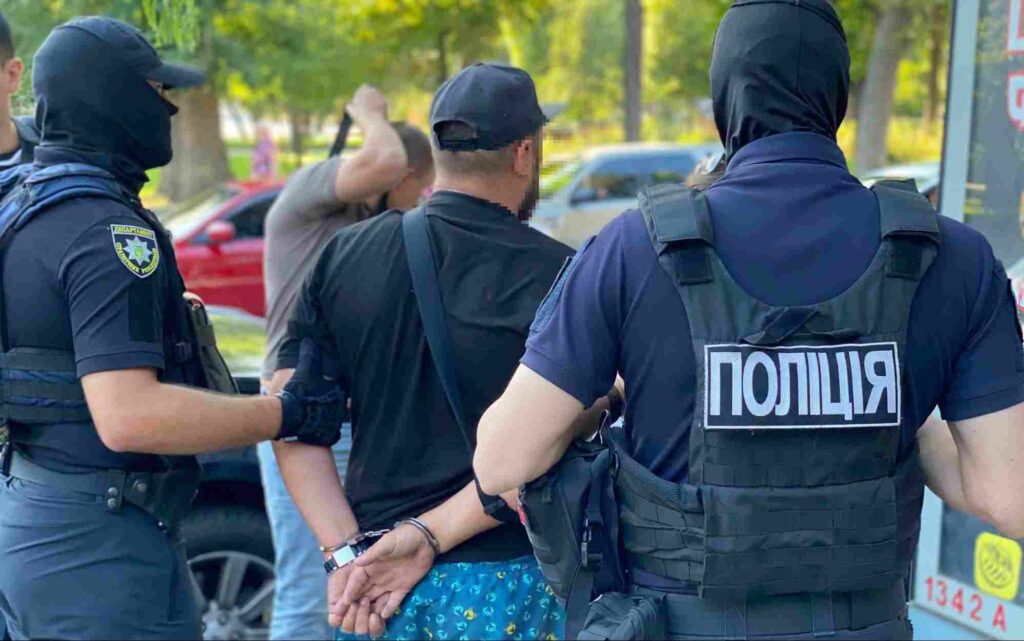
In a quiet residential district of Dnipro, Olena hears a scuffle outside her window. It is past midnight, and the streetlights cast long, jittery shadows. Her instinct is to dial the emergency number, but her finger hovers. That hesitation is not born from indifference; it is born from a creeping, bone deep fear. In Ukraine today, ordinary people are avoiding calling the police for a reason that has nothing to do with the crime itself. They are afraid of being mobilized.

This chilling reality, reported across local media and confirmed by humanitarian observers, reveals a secondary crisis within the war: the erosion of trust in the very institutions meant to protect civilians. As the Russian invasion grinds through its third year, the Ukrainian government has intensified mobilization efforts to replenish battle weary units. What was once a patriotic duty has become a source of terror for many, especially those who have already lost family members or who lack the resources to navigate bureaucratic loopholes.
The Unseen Shadow of War
Mobilization is not a new word in Ukraine. But the way it now functions has turned it into a specter that follows people through their daily routines. Stories have emerged of police officers performing double duty: responding to domestic violence or petty theft, but also handing out summonses to military enlistment offices. For men between the ages of 18 and 60, a simple call to the police can lead to a background check, a medical examination, and within days, a uniform and a rifle.
Consider the case of Mykola, a 42 year old father of three from Zaporizhzhia. He called the police after his car was stolen. When the officers arrived, they verified his identity and then, instead of filing a theft report, asked to see his military registration documents. Mykola had a deferment due to a chronic health condition, but the officers doubted the validity of his papers. He spent three days in a detention center while his documents were verified. The car was never recovered. Mykola now says he would rather lose his belongings than risk another interaction with law enforcement.

A Growing Distrust in Institutions
The phenomenon is not limited to men. Women, too, are increasingly reluctant to report crimes. Elderly residents in rural areas tell of neighbors who simply disappear after a routine patrol car passes by. The police, once seen as a symbol of order, have become agents of a system that prioritizes military quotas over community safety. This shift has opened a dangerous gap: domestic violence cases go unreported, theft rings operate with impunity, and small disputes escalate into vigilante justice.
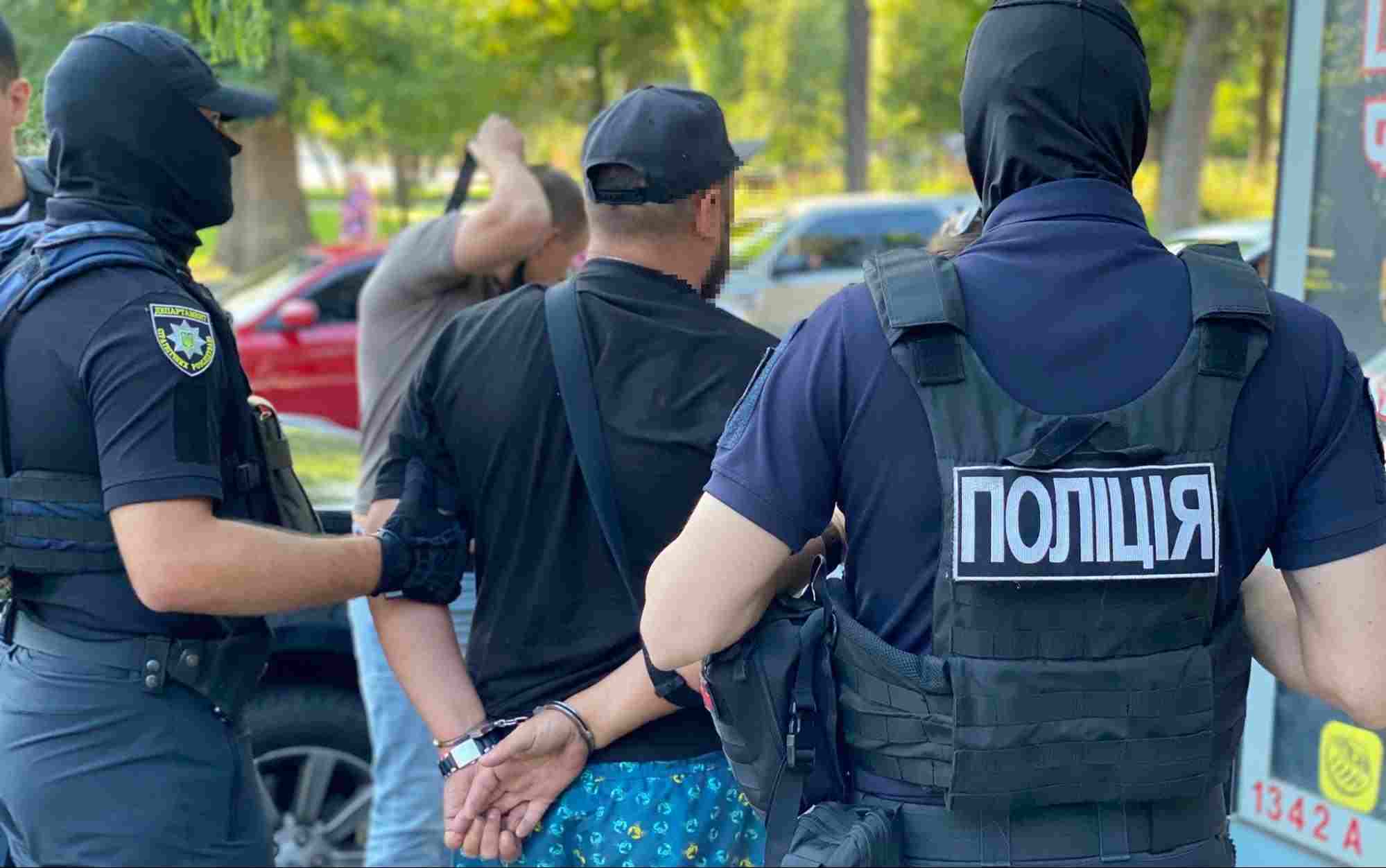
Human rights organizations have documented dozens of incidents where individuals who reported a burglary or an assault ended up being handed a mobilization notice. In one widely circulated case from Kharkiv, a man called the police because a group of teenagers was vandalizing his garden shed. The officers arrived, questioned the teenagers, but then turned to the complainant. They checked his details and found that he had not updated his address with the military registration office. He was taken into custody for administrative violation and later processed for mobilization. The teenagers, ironically, were released with a warning.
The Ripple Effect on Local Communities
The consequences extend far beyond individual trauma. Entire communities are unraveling. When people stop trusting the authorities, informal networks take over. Neighbors form watch groups that administer their own version of justice, often based on rumors or personal vendettas. Women learn to handle disputes themselves, sometimes resorting to violence. The social contract that held Ukrainian society together is fraying at the edges.
Local medical clinics report an increase in patients who refuse to give their full names or home addresses for fear of being tracked. Teachers in smaller towns have noticed that fewer fathers attend parent teacher meetings, not because they are apathetic, but because they are hiding. The fear of mobilization has forced thousands of men into a semi legal underground existence, moving between safe houses or sleeping in basements. They become invisible to the state, but also invisible to the support systems that could help them.
Yet, it would be wrong to paint the police as villains. Many officers are themselves caught in a painful bind. They are under immense pressure from local military commissariats to meet recruitment quotas. Some have openly confessed to colleagues that they hate this part of their job. A police sergeant in Odessa, speaking on condition of anonymity, said, “I joined the force to protect my city. Now I have to treat every citizen like a potential soldier. I have friends who have died at the front. I understand the need. But this is breaking something inside me.”
Stories from the Ground
In the city of Lviv, a woman named Kateryna experienced the paradox firsthand. Her brother, a combat veteran who had already served two tours, was diagnosed with severe PTSD. He needed therapy, not a rifle. When he failed to report for a mandatory medical re examination, police came to their apartment. Kateryna begged them to understand. The officers were sympathetic but had to follow orders. Her brother was taken to a recruitment center and, after a cursory health check, deemed fit for service. Three weeks later, he was at the front. Kateryna now avoids all contact with state authorities, even skipping her own medical checkups.
This fractured relationship is not just a humanitarian crisis; it is a strategic weakness for Ukraine. Without community cooperation, intelligence gathering suffers. Without trust, the morale of civilian populations plummets. The government has attempted to address the issue with public campaigns and legal reforms, but the damage runs deep. A new law passed earlier this year imposes harsh penalties for draft dodging, which only intensifies the climate of fear.
The international community has taken note. European Union officials have quietly expressed concern that the forced mobilization methods could undermine Ukraine’s democracy even as it fights for its survival. Aid programs that once focused solely on military support now include components aimed at rebuilding civil trust. But change is slow.
Conclusion
In a country fighting for its very existence, the line between defense and oppression can blur. The fear of mobilization in Ukraine is a tragic byproduct of a war that has already cost tens of thousands of lives. When people are too scared to call the police, the fabric of society begins to tear. The young men hiding in attics, the women who solve disputes with silence, the police officers who look away in shame these are the invisible casualties of a conflict that is fought both on the front lines and inside every neighborhood. As the war continues, Ukraine must find a way to protect its people not just from external invaders, but from the internal machinery of survival. Until then, the silence of ordinary citizens will be the loudest cry for help.