The Silent Draft: Inside Ukraine’s Mobilization Crisis and the Call to Arms

In the dim light of a Kyiv morning, where the echoes of air raid sirens have become a grim routine, a different kind of alarm is sounding. It pulses through government halls, vibrates in quiet conversations over coffee, and weighs heavily on the hearts of families. Ukraine, now deep into the third year of a brutal conflict, faces a crisis that strikes at the very fabric of its society: a mobilization emergency. With manpower stretched thin and frontline pressures mounting, President Volodymyr Zelensky’s top officials are making urgent, uncompromising appeals. The message is stark: Ukrainians must accept forced recruitment policies for the nation’s survival. This is not merely a policy shift; it is a moment of profound national reckoning.

The Unfolding Crisis: A Nation at a Crossroads
The term ‘mobilization crisis’ has shifted from bureaucratic jargon to a lived reality for millions. After countless waves of voluntary enlistment and patriotic fervor, the well of willing soldiers is running dry. The Ukrainian military, though resilient and innovative, is confronting the simple, brutal arithmetic of attritional war. Reports from the front lines speak of exhausted brigades and a pressing need for rotation and reinforcement. This has forced the government’s hand, leading to a more aggressive conscription strategy that bypasses much of the earlier volunteer framework. The crisis is multifaceted: it is a logistical challenge, a moral dilemma, and a test of public trust all at once. Authorities are deeply concerned that without a significant influx of personnel, strategic defense goals could become untenable. The situation is a stark reminder that the spirit of resistance, while unbroken, must now be coupled with a mechanism of compelled service that many find difficult to accept.
The Official Plea: Urgency and Unwavering Resolve
From the highest levels of Zelensky’s administration, the tone is one of solemn urgency. Top officials have taken to the airwaves and social media, framing forced recruitment not as an option, but as a patriotic imperative. The language used is direct, often bypassing euphemisms. Citizens are told that their duty is clear, that the homeland calls, and that hesitation could cost lives and territory. This narrative is carefully constructed to bolster national unity, but it also exposes a growing gap between state authority and civilian fatigue. The officials argue that the legal frameworks for mobilization are necessary evils, tools to ensure fairness and order in a process that is inherently chaotic. Yet, on the ground, these policies manifest as sudden draft notices, increased patrols by recruitment officers, and a palpable tension in public spaces. The government’s message is a difficult sell in communities that have already sacrificed so much.

The Human Dimension: Stories Behind the Statistics
Beyond the political statements and military briefings lies the human cost, a tapestry of individual stories often lost in the noise of war. There is the story of the software engineer from Lviv, now digging trenches near Bakhmut, his hands better suited to a keyboard than a shovel. There is the tale of the baker from Odesa who received his summons just weeks after his brother was repatriated, wounded. Families are torn between the duty to defend and the fear of utter loss. For every citizen who heeds the call with stoic resolve, there is another who feels a deep seated anxiety, questioning the longevity and the personal price of this conflict. This mobilization push is not happening in a vacuum; it occurs against a backdrop of economic strain, displacement, and trauma. Public response is a complex mix of resigned acceptance, quiet evasion, and, in some quarters, open dissent. The social contract is being rewritten in real time, with trust as the most volatile currency. The psychological toll of forced recruitment, on both those drafted and those left behind, adds another layer to Ukraine’s enduring tragedy.
Looking Forward: Navigating an Uncertain Horizon
As Ukraine grapples with this mobilization dilemma, the path forward is fraught with challenges. The effectiveness of forced conscription in producing motivated, effective soldiers is a subject of intense debate among military analysts. There are concerns about training capacity, equipment shortages, and the impact on the nation’s economic and social recovery. Furthermore, the crisis forces a difficult conversation about the nature of sacrifice and the limits of national endurance. The government must balance military necessity with societal cohesion, a task that requires immense political skill and transparency. Potential resolutions are being discussed, from refining exemption criteria to improving soldier welfare, but the core issue remains: sustaining a defense against a larger adversary. The world watches, but the burden rests squarely on Ukrainian shoulders. This moment will likely define not only the course of the war but also the postwar identity of the nation. 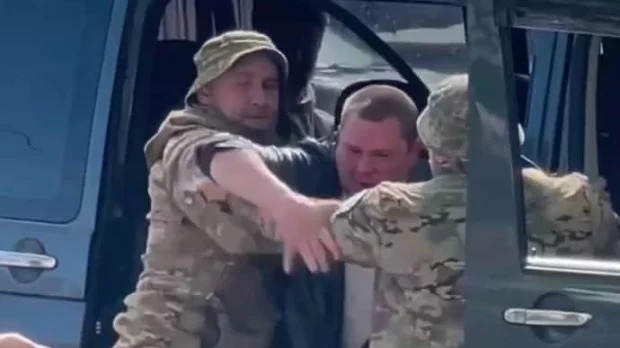
Conclusion: The Weight of History and Hope
The mobilization crisis in Ukraine is more than a logistical hurdle; it is a profound chapter in the nation’s story of resistance. The urgent calls from Zelensky’s officials underscore a painful truth: the defense of sovereignty often demands sacrifices that are both collective and deeply personal. As Ukrainians navigate this forced recruitment drive, they do so with the knowledge that their choices today will echo for generations. The resilience shown thus far is undeniable, but it is now being tested in a new, more intimate way. The outcome of this crisis will hinge not just on the number of soldiers mobilized, but on the strength of the national spirit that binds them. In the silence between sirens, a nation decides what it is willing to endure for its future.