Beyond Geopolitics: How Tourism is Democratising India Russia Ties
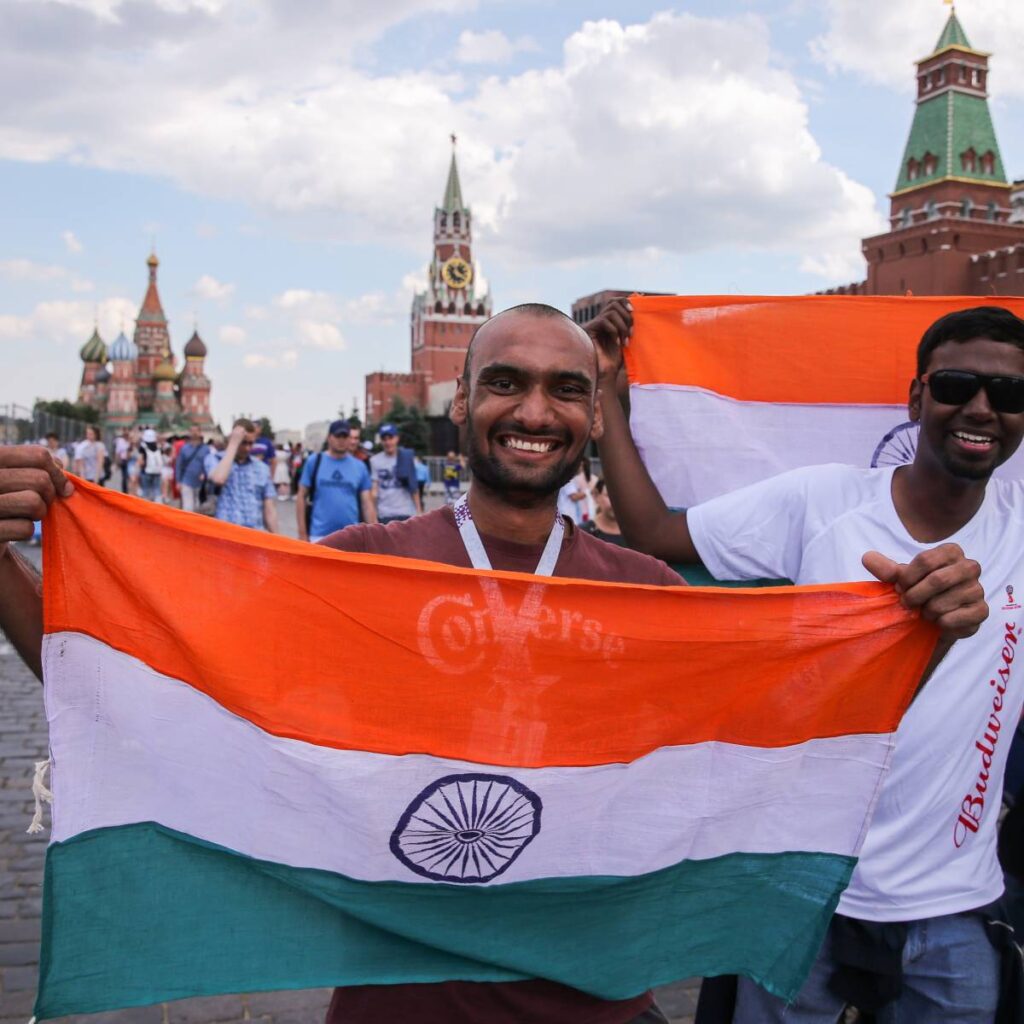
It was a crisp morning in New Delhi when a young Russian couple stepped off the plane, their faces lit with excitement. They were not diplomats or business magnates, but ordinary tourists exploring India for the first time. Their journey was made possible by a quiet revolution in India Russia relations, one that is being written not in treaties or trade agreements, but in visa stamps and travel itineraries. By betting on easier visas and higher mobility, New Delhi and Moscow are signalling a determination to democratise their partnership, writes Priyanshu Agarwal. This shift is not just about convenience; it is a deliberate strategy to diversify the relationship beyond traditional geopolitical and military ties. Tourism, once a peripheral element, is now a central pillar of this evolving bond.

A New Chapter in People to People Ties
For decades, India and Russia shared a deep strategic partnership rooted in Cold War alliances. Yet the human connection remained limited to elite exchanges and state sanctioned visits. The common citizen rarely had the chance to experience the heritage of the other country. That is changing rapidly. In recent years, both governments have introduced measures to simplify visa processes, including e visas and visa free travel for certain categories. These steps are opening doors for tourists, students, and entrepreneurs. The result is a growing wave of Russian travelers discovering the temples of Varanasi and the backwaters of Kerala, while Indian visitors explore St. Petersburg and the Siberian wilderness. This grassroots interaction is building trust and understanding far more effectively than any bilateral summit could.

From Cultural Curiosity to Economic Opportunity
Tourism is also becoming a significant economic driver. Russian tourists are now among the top spenders in Indian destinations like Goa and Himachal Pradesh. In return, Indian travelers are contributing to the local economies of Russian cities beyond Moscow and Saint Petersburg. The hospitality sectors in both countries are adapting, with hotels offering Russian language menus and Indian restaurants springing up in Russian tourist hubs. This economic symbiosis encourages further investment in infrastructure, airlines, and travel services. As more flights connect Delhi and Mumbai to Vladivostok and Kazan, the logistical barriers shrink. The ease of mobility is not just about leisure; it also facilitates business exchanges, medical tourism, and educational visits. These flows create a self reinforcing cycle of demand and supply that deepens bilateral interdependence.
Bridging Understanding Through Shared Experiences
Beyond economics, tourism fosters cultural diplomacy. When an Indian family stays with a Russian host or a Russian student attends a traditional Indian festival, stereotypes break down. These personal encounters humanize the relationship. Yoga retreats in Rishikesh now welcome Russians seeking wellness, while Russian ballet and literature festivals in India draw enthusiastic crowds. The exchange is not one sided. Indian tourists are increasingly drawn to Russia’s rich history, its vast landscapes, and its unique architectural heritage. This mutual curiosity helps both nations rediscover each other beyond the headlines of arms deals and energy pacts. It is a quiet but powerful assertion that partnerships thrive when they are built on the everyday interactions of millions, not just the decisions of a few.

Challenges and the Road Ahead
Despite the progress, challenges remain. Connectivity is still limited outside major cities. Language barriers can be daunting. Visa processes, though improved, still require paperwork. However, the trajectory is clear. Both governments are committed to removing these obstacles. Pilot programs for visa free group travel have shown promise. Digital platforms are being developed to provide seamless travel information. The COVID 19 pandemic temporarily disrupted the flow, but the rebound has been robust. Looking forward, the potential is immense. With a combined population of over 1.5 billion, even a small percentage increase in tourism could result in tens of millions of visits annually. This would not only boost economies but also create a generation of Indians and Russians who see each other as friends and partners, not just distant allies.
Conclusion: A Partnership of the People
The evolving role of tourism in India Russia relations is a testament to the power of accessibility. By making travel easier, New Delhi and Moscow are inviting their citizens to become ambassadors of friendship. This democratization of the partnership ensures that it is no longer confined to corridors of power but flourishes in the streets, markets, and homes of ordinary people. As the young Russian couple in New Delhi discovers the taste of spicy chai and the warmth of Indian hospitality, they are unknowingly weaving a new narrative of bilateral ties. That narrative is personal, economic, and cultural all at once. And it is the most sustainable foundation for a lasting partnership. The journey has just begun, and the road ahead is paved with shared smiles, mutual curiosity, and an unshakable belief that the best connections are made not through documents, but through human hearts.