The Ticking Clock: How a US Invasion of Iran Could Shatter Trump’s Political Fortunes
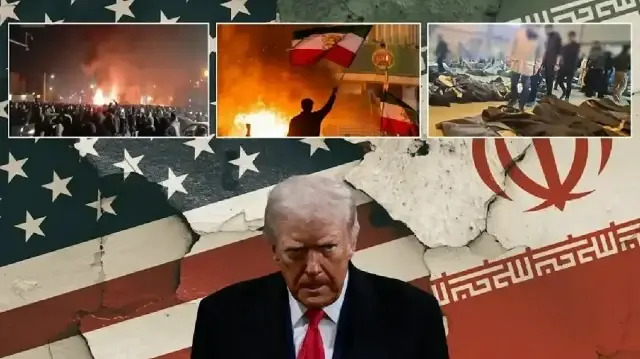
Imagine a scenario where the drums of war beat louder than ever in the Middle East, where tensions between the United States and Iran escalate beyond rhetoric into a full blown ground invasion. The consequences of such a move would ripple across the globe, but perhaps the most shocking impact would be felt domestically in the United States, where support for President Trump could collapse under the weight of another protracted conflict. This is not mere speculation; as Iran aggressively revives its nuclear program, the stakes have never been higher.

Iran’s Nuclear Renaissance: A Red Line Crossed
Iran’s pursuit of nuclear capabilities has long been a flashpoint in international relations. After the collapse of the Joint Comprehensive Plan of Action, commonly known as the Iran nuclear deal, Tehran has been steadily rebuilding its nuclear infrastructure. Recent reports indicate accelerated uranium enrichment and the development of advanced centrifuges, signaling a return to pre deal levels or beyond. This resurgence is a direct response to the maximum pressure campaign enacted by the Trump administration, which has squeezed Iran’s economy but failed to curb its strategic ambitions. The international community watches with bated breath as Iran crosses thresholds that bring it closer to weapons grade material, raising alarms from European capitals to the United Nations. The narrative of Iran as a rogue state seeking atomic weapons has been amplified, yet the reality is more nuanced. Iran insists its program is for peaceful purposes, but the shadows of suspicion loom large. As facilities like Fordow and Natanz buzz with activity, the window for diplomatic resolution narrows, pushing the world toward a precipice.
Echoes of History: The Ghosts of Iraq and Afghanistan
The United States has a fraught history with military interventions in the Middle East. The invasions of Iraq and Afghanistan, launched with lofty goals, resulted in years of quagmire, thousands of lives lost, and trillions of dollars spent. Public sentiment shifted dramatically as the costs mounted, leading to widespread disillusionment and political backlash. A ground incursion into Iran would likely follow a similar trajectory, but with even greater complexities. Iran’s rugged terrain, large population, and well equipped military would pose significant challenges, potentially dragging the US into another endless war. The memories of past failures haunt the American psyche, making the prospect of a new invasion a hard sell to the public. Veterans of those conflicts voice concerns, while families dread the possibility of their loved ones being deployed. The strategic blunders of the past, from flawed intelligence to nation building fantasies, serve as cautionary tales. In this context, any move toward war must be scrutinized through the lens of history, lest we repeat its gravest mistakes.
The Military Gambit: What a Ground Incursion Would Entail
A ground invasion of Iran is not a decision to be taken lightly. It would require a massive mobilization of troops, likely exceeding the numbers seen in Iraq. Iran’s defense strategy, built on asymmetric warfare and missile capabilities, could inflict heavy casualties on invading forces. Urban combat in cities like Tehran would be brutal, with high civilian casualties inevitable. The logistical nightmare of sustaining such an operation over vast distances would strain US resources, potentially diverting attention from other global hotspots. Moreover, Iran’s proxies across the region could unleash a wave of attacks on US interests, escalating the conflict beyond Iran’s borders. The Strait of Hormuz, a vital oil chokepoint, might be blocked, triggering an energy crisis. Cyber warfare could target critical infrastructure, adding a digital dimension to the physical battle. The human cost, both for soldiers and civilians, would be staggering, and the moral burden would weigh heavily on the national conscience. This is not a war that could be won quickly or cleanly; it would be a descent into chaos.

Political Fallout: The Erosion of Trump’s Base
President Trump’s political rise was fueled in part by his criticism of endless wars and his promise to bring troops home. His base, which includes isolationists, veterans, and weary taxpayers, would likely revolt if he greenlights a ground invasion of Iran. The irony of a president who campaigned on anti interventionism embarking on a major war would not be lost on voters. Support could crumble among key demographics, including suburban women and independents, who are sensitive to issues of war and peace. The economic toll, with skyrocketing oil prices and increased military spending, could trigger a recession, further damaging Trump’s reelection prospects. In an era of hyper polarization, even a war might not unite the country; instead, it could deepen divisions and lead to widespread protests. The media landscape would explode with criticism, from left leaning outlets to right wing platforms that once championed Trump’s America First agenda. The political fallout would be swift and severe, potentially collapsing his coalition and leaving him isolated. This scenario underscores the fragile nature of political support in times of crisis.
Global Ripples: Allies, Adversaries, and the World Order
The implications of a US Iran war extend far beyond the two nations. Allies in Europe and the Middle East would be caught in a bind, forced to choose sides or risk their own security. Oil markets would plunge into chaos, with prices soaring and supply chains disrupted, affecting economies worldwide. Adversaries like Russia and China might seize the opportunity to advance their interests, challenging US influence in the region. The United Nations would face a crisis of credibility, as diplomatic channels break down. In this volatile environment, the risk of a broader regional war, involving Israel and Saudi Arabia, becomes palpable, threatening global stability. International organizations might fracture, with alliances like NATO tested to their limits. The refugee crisis could escalate, displacing millions and straining humanitarian resources. The world order, already under stress from populism and pandemics, could shift toward multipolarity, with unpredictable consequences. This is not just a conflict; it is a potential catalyst for systemic change.

Diplomatic Pathways: Averting Catastrophe
Despite the grim outlook, alternatives exist. Diplomacy, though challenging, offers a way out. A renewed nuclear deal, with robust verification and concessions from both sides, could defuse tensions. Multilateral engagement through platforms like the BRICS nations or the European Union could foster dialogue. Confidence building measures, such as military de escalation zones and humanitarian exchanges, might pave the way for negotiations. The cost of war is too high; the international community must rally to prevent it. Leadership requires courage not just in confrontation, but in compromise. Track two diplomacy, involving non governmental actors and think tanks, can create back channels for communication. Economic incentives, like sanctions relief, could motivate Iran to curb its nuclear ambitions. The path of peace is arduous, but it is the only sustainable option for long term security. As the clock ticks, the world must choose between escalation and reconciliation.
Conclusion: A Crossroads for America and the World
As Iran advances its nuclear program, the United States stands at a crossroads. A ground incursion might seem like a decisive action, but it could unravel the very fabric of Trump’s presidency and plunge the world into turmoil. The lessons of history warn against impulsive military adventures. Instead, a strategic blend of pressure and diplomacy, backed by international cooperation, is essential to navigate this crisis. The ticking clock of Iran’s nuclear ambitions demands urgency, but not at the expense of wisdom. In the end, the path chosen will define the future of global peace and domestic politics for years to come. The stakes could not be higher; let us hope that cooler heads prevail, and that the specter of war gives way to the promise of peace.