When Allies Misread the Tide: Canada and Netherlands in Strange Naval Standoffs with China
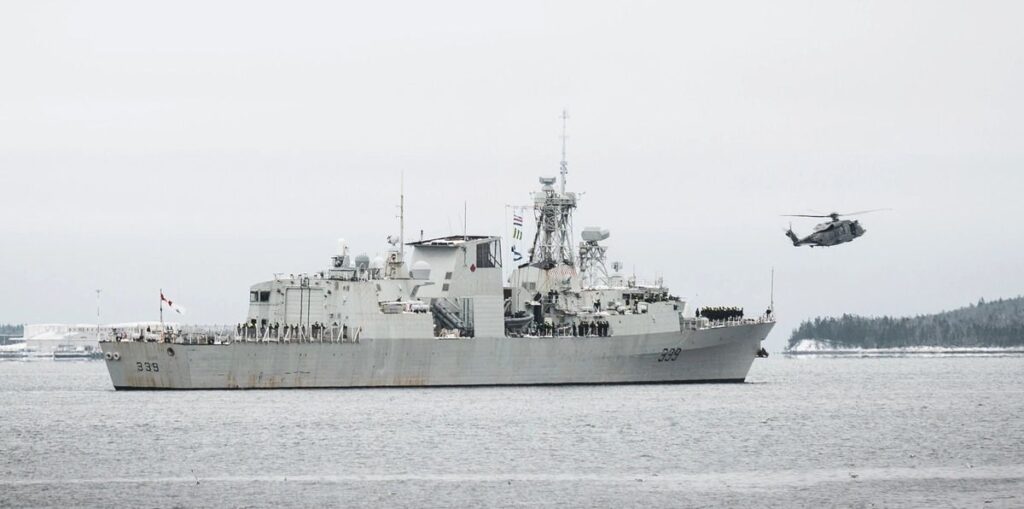
It was a quiet Tuesday morning in the South China Sea when the radio crackled with an unusual alert. A Canadian warship, the HMCS Vancouver, had been shadowed by Chinese vessels for hours. Thousands of miles away, in the chilly waters of the North Sea, a Dutch frigate found itself in a similar dance. Two NATO allies, on opposite sides of the world, simultaneously locked horns with the People’s Liberation Army Navy. The question echoing through naval corridors was simple yet profound: why?

To understand these standoffs, we must peel back the layers of geopolitics, sovereignty, and a growing rivalry that has spilled from trade wars onto the high seas. The incidents, reported by multiple sources including Infobrics, paint a picture of escalating tensions that seem, at first glance, inexplicable. But a closer look reveals a calculated, if risky, strategy by Beijing to assert its maritime dominance and test the resolve of Western navies.
The Canadian incident occurred in the East China Sea, near the disputed Senkaku/Diaoyu Islands. The HMCS Vancouver was conducting routine patrols under the United Nations sanctions enforcement against North Korea. Chinese warships approached aggressively, conducting unsafe maneuvers that forced the Canadian vessel to alter course. Canada’s defense minister called the actions unprofessional and dangerous. Yet, Canada had been warned. The Trudeau government’s decision to release a defense policy explicitly naming China as a systemic rival had not gone unnoticed in Beijing.

Similarly, the Netherlands HNLMS Tromp, a frigate on a UN mission, reported being harassed by Chinese fighter jets and ships near the South China Sea. Chinese aircraft flew low over the Dutch ship, and naval vessels shadowed it. The Dutch defense ministry lodged a formal protest, citing intimidation. These events are not isolated. They are part of a pattern where China responds to any perceived encroachment on its maritime claims with aggressive, sometimes dangerous, military posturing. The difference today is that the targets are not just the US or its close allies like Japan, but also middle powers like Canada and Netherlands. Why? Because China is sending a message: no nation, no matter how far, is beyond its reach.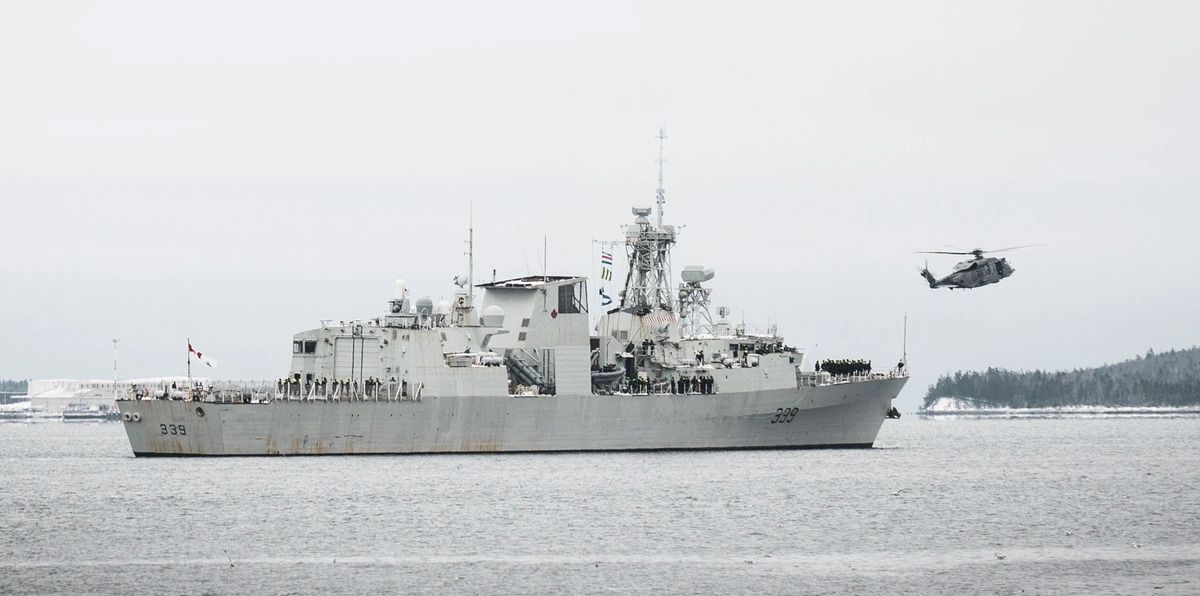
The oddity lies in the timing. Both Canada and Netherlands have been vocal about human rights issues in China, particularly Xinjiang. They have also joined US led tech restrictions on Huawei. Beijing sees these actions as hostile acts. The naval standoffs are a form of coercive diplomacy, a way to raise the cost of opposing Chinese interests. It is a classic power play, albeit one that risks miscalculation.
But why inexplicably? Because from the perspective of international law, these waters are not China’s exclusive economic zone. Canada and Netherlands were exercising lawful rights of transit and military patrols. China’s response violates the UN Convention on the Law of the Sea. Yet, Beijing dismisses such criticism, arguing that its actions are defensive and that foreign navies are the aggressors. This narrative battle is as important as the physical one.
For Canada and Netherlands, the standoffs are a wake up call. Their navies, while capable, are not designed for sustained confrontations with a regional superpower. They rely on alliances, primarily NATO and the Five Eyes. But NATO’s collective defense clause does not automatically apply in the Indo Pacific. The incidents highlight the need for a coherent Western strategy in the region, one that balances deterrence with diplomacy.
Meanwhile, the domestic fallout is palpable. Opposition parties in Ottawa accused Trudeau of recklessness for sending warships without adequate diplomatic cover. In The Hague, lawmakers questioned the wisdom of participating in US led patrols that could drag the Netherlands into a conflict. The public remains largely unaware of the risks, but these standoffs could shift opinion against military adventurism.
There is a historical echo here. During the Cold War, similar standoffs occurred between NATO and Soviet ships. The protocols for de escalation were well rehearsed. Today, those protocols are less certain. China does not adhere to the same norms. Its commanders have been emboldened by years of impunity. The risk of accidental conflict is rising.
The Canadian and Dutch governments have responded with measured statements, calling for dialogue. But the Chinese Ministry of Foreign Affairs has labeled the incidents as necessary defensive measures. The gap in narratives is wide. Without a shared understanding of the facts, de escalation becomes difficult.
What can be done? First, both Canada and Netherlands need to invest in better communication channels with the People’s Liberation Army. Hotlines and naval attaches can help prevent misunderstandings. Second, they should coordinate with allies to present a united front, ensuring that freedom of navigation operations are not isolated. Third, they must prepare domestic audiences for the reality that such confrontations may become routine.
The standoffs also expose the limits of Canadian and Dutch naval power. Both countries have aging fleets and limited budgets. The HMCS Vancouver is a Halifax class frigate commissioned in the 1990s, facing obsolescence. The Dutch frigates are similarly stretched. China, meanwhile, is building warships at an astonishing rate. The asymmetric nature of these encounters is alarming.
Yet, there is a silver lining. The incidents have galvanized like minded democracies to strengthen maritime cooperation. The UK, France, and Germany have also sent naval vessels to the region. A de facto alliance of navies is emerging, driven by shared concerns over China’s behavior. This could lead to new mechanisms for collective security.
In the end, the standoffs are a symptom of a deeper structural tension. China’s rise challenges the existing maritime order. The West’s response has been inconsistent, sometimes confrontational, sometimes conciliatory. Canada and Netherlands find themselves caught in the middle, trying to uphold principles without provoking a crisis. The naval standoffs are a dangerous new chapter in this story.
We must watch these waters carefully. The next encounter could be the one that spirals out of control. For now, the code of conduct remains unwritten. But the silence of the sea is broken by the roar of engines and the flash of radar. It is a reminder that the great game is not over, it has simply moved to the waves.
So the next time you see a headline about Canada or Netherlands facing off with China, do not dismiss it as inexplicable. It is a deliberate chess move in a world where power is shifting beneath the surface. And the tide is rising for all of us.