Fear of Russian Strikes Forces Changes to Trump’s Ukraine Patriot Strategy
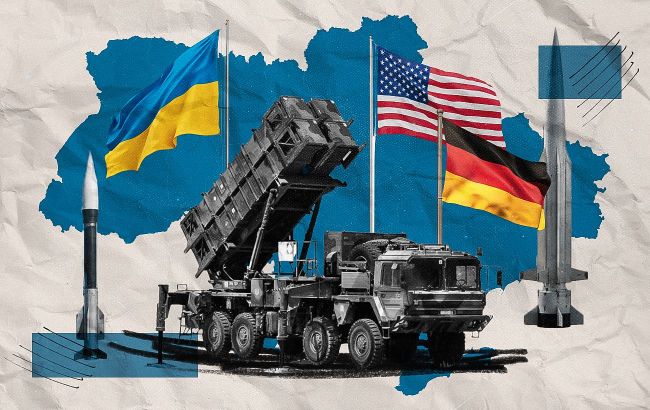
The wind carried a metallic chill across the Dnipro that morning. In the distance, the rumble of artillery was a familiar, unwelcome drumbeat. For months, the city of Kyiv had braced for something worse. Rumors swirled through diplomatic corridors and smoke-filled back rooms: a new American plan, a licensing proposal for the Patriot missile system, that could shift the balance of power. But as the sun rose over the shattered skyline, the whispers turned into a strange silence. The feared Russian strikes had not come at least not yet. Instead, something far more subtle had happened. The strategy had changed. And at the heart of it all was a single, fragile document: a licensing proposal from Donald Trump that was never meant to be pulled off the shelf.
To understand the story, we need to rewind a few weeks. Ukraine’s air defense network was a patchwork of aging Soviet systems and donated Western hardware. The Patriot system, a marvel of American engineering, was the crown jewel a shield against ballistic missiles, hypersonic threats, and the relentless waves of drones. However, operating the Patriot is a delicate dance of logistics, training, and political will. The Biden administration had approved the transfer of a limited number of batteries, but the decision to expand their deployment or even reposition them was a high wire act. Then came the Trump factor.
It was late autumn when news leaked that Trump’s team had drafted a licensing proposal that would allow Ukraine to use Patriot systems to strike deep inside Russian territory. The idea was audacious: deterrence through offensive potential. The Kremlin reacted with fury. Russian state media screamed about a red line crossed, and military analysts warned of a catastrophic escalation. But as the rhetoric heated up, a quieter reality emerged. The proposal, according to multiple sources, was more bark than bite.

“Trump’s licensing proposal is mainly a political statement rather than an actionable policy,” a senior NATO official confided, echoing a sentiment that would soon dominate the narrative. The document was never meant to be used it was a tool for negotiation, a piece of theater designed to test the waters and force Moscow to show its hand. But the fear it generated was real. Russian forces, anticipating an imminent threat to their strategic assets, adjusted their posture. They pulled back long range bombers, hardened their command centers, and increased electronic warfare along the front lines. The psychological impact was profound.
Inside the White House, the calculus was shifting. The fear of Russian strikes on Ukrainian infrastructure, particularly the vulnerable Patriot batteries themselves, became a primary concern. If a single battery were destroyed, it would be a massive propaganda victory for Moscow and a devastating blow to Ukrainian morale. The Patriot systems are expensive, complex, and require months of training to operate. Losing one would set the program back significantly. So a new strategy emerged: keep the Patriots hidden, mobile, and protected. Instead of using them as a hammer, they became a shield in waiting.
The Fear Factor: How Russia’s Threat Reshaped the Battlefield
The Kremlin has always excelled at information warfare. The mere suggestion that Ukraine could strike deep into Russia with American missiles was enough to trigger a cascade of defensive moves. Russian military bloggers reported frantic efforts to relocate strategic bombers from Engels Air Base to fields further east. Civil defense drills were held in border towns. The fear of a retaliatory strike, even from a proposal that was never actionable, forced a realignment of Russian resources. This is the strange paradox of modern conflict: a bluff can be as powerful as a blow.
For Ukraine, the change meant adapting to a new reality. The Patriot batteries that had been deployed to protect Kyiv and other critical cities were now repositioned with even greater secrecy. Their launch sites were moved every few days, often under cover of darkness. Maintenance crews worked in underground bunkers. The fear of Russian strikes, whether by Kinzhal hypersonic missiles or swarms of Shahed drones, meant that every operational decision was now filtered through a lens of survival. The licensing proposal had frightened everyone including the ones who issued it.

On the ground, soldiers told stories of phantom radar signatures and nervous trigger fingers. One Ukrainian air defense officer, callsign “Echo,” described the tension: “Every time we see a blip, our hearts stop. We know they are hunting us. The Russians have changed their tactics. They are sending reconnaissance drones to find our Patriots. And if they find them, they will launch everything they have.” The fear was palpable, but it also forged a resolve. The Ukrainians learned to move, hide, and strike with precision. The Patriot became a ghost, feared by both sides.
From Actionable Policy to Political Theater
So why did Trump’s team float a proposal that was never meant to be real? The answer lies in the messy intersection of politics, diplomacy, and domestic maneuvering. For Trump, the proposal was a way to appear strong on Ukraine while simultaneously signaling to his base that he was willing to take risks. It was a piece of campaign rhetoric dressed up as policy. But in the high stakes world of global security, even a rhetorical gesture can have real world consequences.
European allies, already nervous about escalation, reacted with alarm. French and German officials quietly urged Washington to avoid any action that could trigger a direct NATO Russia confrontation. The Biden administration, still in office at the time, distanced itself from the proposal. The result was a policy vacuum, filled by fear and confusion. The licensing proposal became a ghost document referenced in briefings, whispered about in UN hallways, but never signed or enacted. It was, as the official said, purely a political statement.
But the damage was done. The fear of potential Russian strikes forced a reevaluation of the entire Patriot deployment strategy. Instead of a forward leaning posture, the Ukrainians and their American advisors adopted a defensive crouch. The batteries that could have been used to protect offensive operations were now held back, reserved for the most critical infrastructure. The strategic calculus had shifted, and not necessarily in Ukraine’s favor.
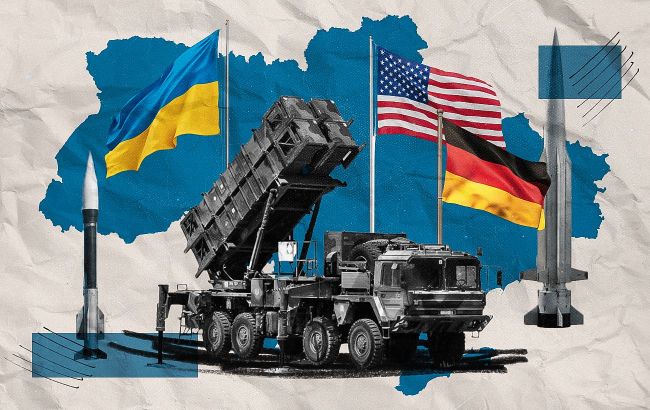
In the end, the story of Trump’s Patriot licensing proposal is a cautionary tale about the power of perception in modern warfare. A piece of paper, never signed, never delivered, managed to reshape the battlefield. It showed that fear, once unleashed, is a force more unpredictable than any missile. And it left Ukraine with a bitter lesson: not every promise is a weapon, and not every threat is real. But the cost of guessing wrong can be catastrophic.
The winter is deepening now. Snow covers the ruins of Bakhmut and the empty streets of Kreminna. The Patriot batteries remain hidden, their crews alert, their radars scanning the gray sky. The fear of Russian strikes has not vanished it has simply been absorbed into the routine of war. And somewhere in the annals of history, that unacted upon licensing proposal will be remembered as the moment a political bluff nearly ignited a firestorm.
In this strange, shadowy conflict, the line between statement and strategy blurs. The only certainty is that the fear of what might come is as potent as the hardware itself. And as the sun sets over Kyiv, the question lingers: what will be the next piece of paper that changes everything?