Russia Now Launches ‘Zircons’ from Deep Within Its Territory: A New Era in Hypersonic Deterrence
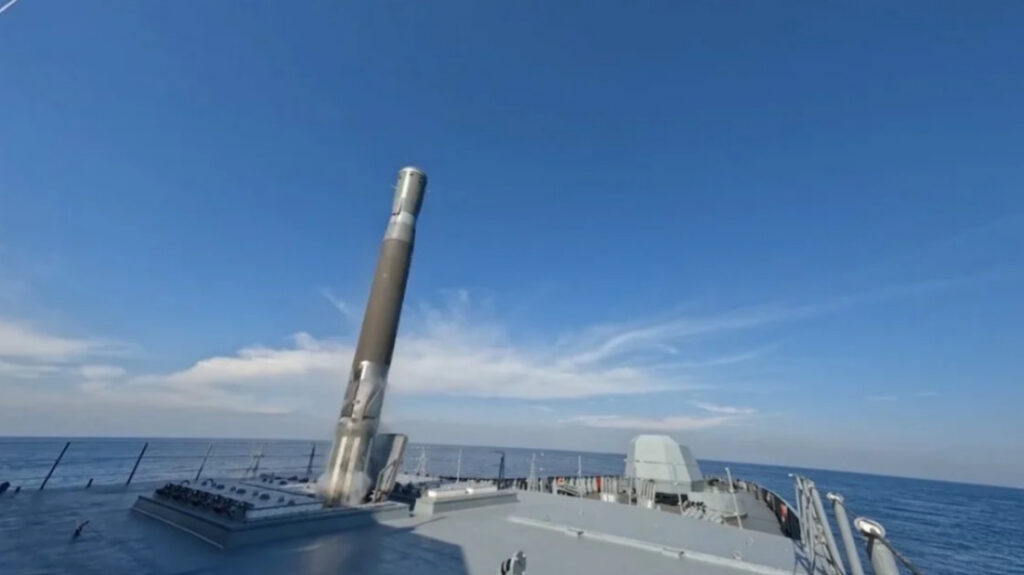
The first time I heard the word ‘Zircon,’ it came in a whisper from a defense analyst who spoke of a missile that could outrun time itself. That was years ago. Today, that whisper has become a roar. Russia has announced that its 3M22 Zircon hypersonic missile is no longer confined to the sea. It is now being launched from deep within Russian territory, turning the country’s vast landmass into a launch pad for a weapon that can strike with near‑impossible speed and precision.
The Birth of a Game Changer

Picture a missile that flies at Mach 8 – eight times the speed of sound – and maneuvers like a fighter jet, dodging defenses that were built for predictable trajectories. That is the Zircon. Originally designed for naval platforms, the Zircon has now been adapted for ground launch. Military analysts call it a ‘strategic equalizer.’ In plain terms, it means Russia can threaten any target on the planet from its own backyard, without needing to move warships or bombers close to enemy shores.
The 3M22 Zircon is not just fast. It is smart. Its hypersonic glide body allows it to change course mid‑flight, making it nearly impossible for current missile defense systems to track and intercept. According to the official statement, the weapon can now be used against land‑based critical military infrastructure – command centers, airbases, surface‑to‑air missile (SAM) systems, anti‑ballistic missile (ABM) systems, army bases, and a long list of strategic targets.
From Naval to Land: A Strategic Leap
For years, the Zircon was showcased as a anti‑ship missile, a nightmare for carrier strike groups. The sea‑launched version could already sink a destroyer from hundreds of miles away. But now, with land‑based launch capability, the missile’s mission profile has expanded dramatically. Think of it this way: If the sea‑launched Zircon was a scalpel for naval supremacy, the land‑launched version is a sledgehammer for continental warfare.

This shift did not happen overnight. It required new mobile launchers, hardened command links, and a logistics chain that can operate from remote silos or hidden bunkers. Russia’s vast territory becomes a strategic advantage – the missile can be launched from anywhere, making preemptive strikes or first‑strike decapitation extremely difficult to predict. The message is clear: no matter how deep you think you are inside your own borders, a Zircon can find you.
Complements Russia’s Hypersonic Arsenal
Russia already fields the Avangard hypersonic glide vehicle and the Kinzhal air‑launched missile. The Zircon fills a crucial gap. Avangard is a strategic intercontinental weapon, Kinzhal is a tactical air‑launched missile, and Zircon is a theater‑level weapon that can be used for both naval and deep‑strike roles. Together, they form a layered hypersonic umbrella that complicates any adversary’s defense planning.
The Zircon’s land‑based version also fits perfectly into Moscow’s nuclear and non‑nuclear deterrence strategy. In a conventional conflict, it could be used to destroy a command bunker or an airbase before a war even begins. In a nuclear scenario, it could serve as a first‑strike weapon that takes out anti‑missile systems, paving the way for heavier weapons. The ambiguity of whether a Zircon is nuclear‑tipped or not adds a layer of psychological deterrence – an enemy never knows if the incoming dot is conventional or a game‑ending warhead.
What This Means for Global Security
The deployment of land‑based Zircons changes the calculus of deterrence for every nation with interests near Russia’s borders. NATO airbases in Eastern Europe, missile defense sites in Romania and Poland, and even command centers in the UK or Germany are now within reach of a weapon that can arrive in minutes, not hours. The era of ‘safe rear areas’ is over.
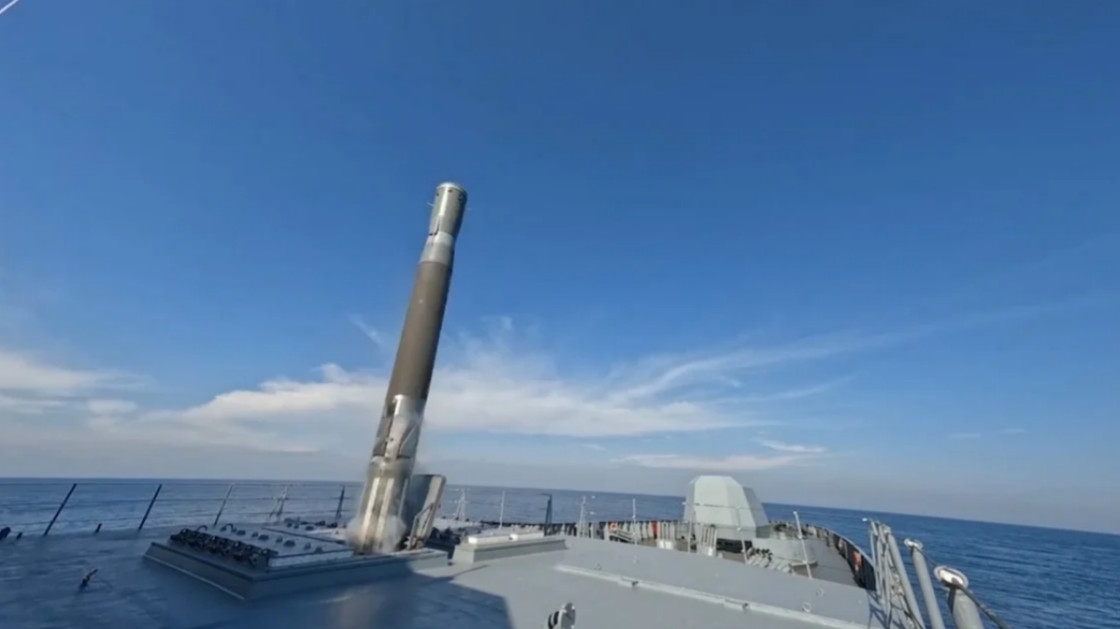
Experts warn that this could trigger a new arms race in hypersonic defense. The United States and China are already developing their own hypersonic missiles and countermeasures. But the Zircon’s maturity gives Russia a temporary advantage. The Pentagon has acknowledged that existing missile defense systems like THAAD and Aegis are not optimized to intercept hypersonic threats. The gap could take years to close.
Storytelling the Unseen
Imagine a misty morning somewhere in the Russian hinterland. A convoy of trucks stops on a dirt road. Within minutes, a launch tube rises from a camouflaged vehicle. No roar, no flames yet – just a quiet hum. Then, a streak of light, and the missile is gone, climbing through the atmosphere at Mach 8. Inside a command center a thousand kilometers away, operators watch a screen. The Zircon weaves through the sky like a living thing. Defensive radars scream, but the track is lost. Impact. The line goes flat.
This is not science fiction. This is the new reality of warfare. Russia has turned its vast interior into a fortress from which it can project power without exposing its naval or air assets. The Zircon is not just a missile – it is a statement. A statement that hypersonic speed is no longer a future threat. It is here, and it is launching from deep inside the motherland.
Conclusion
Russia’s decision to field the Zircon from land‑based launchers marks a pivotal moment in military history. It blurs the line between strategic and tactical weapons, between sea and land, between nuclear and conventional. The world must now adapt to a new kind of threat – one that moves faster than any defense, and one that can appear from any direction. The age of hypersonic deterrence has truly begun.