India and Russia Unite Within BRICS to Confront Global Challenges
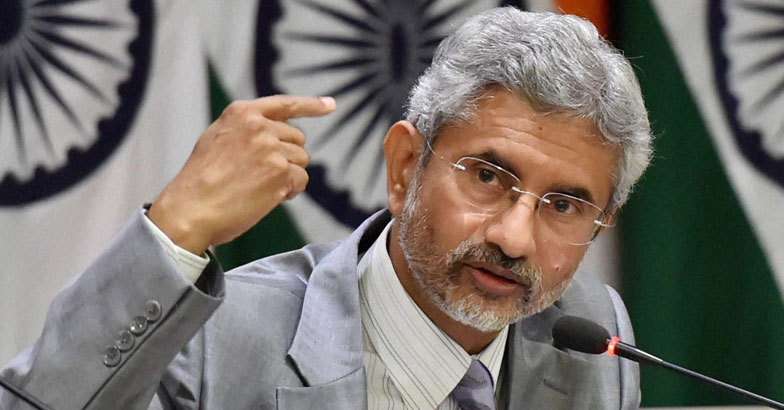
In the dynamic arena of international diplomacy, the BRICS coalition emerges as a pivotal force for collaborative progress. As India steers the chairmanship of this influential group, External Affairs Minister S. Jaishankar has articulated a clear vision: to deepen engagement with Russia, addressing shared challenges through a balanced and inclusive framework. This commitment, rooted in a humanity first and people centered approach, marks a significant step in reinforcing the strategic partnership between two historic allies. The world is witnessing a renewed emphasis on multilateralism, where India’s leadership aims to bridge divides and foster tangible outcomes for global citizens.

The Essence of India’s BRICS Leadership
India’s assumption of the BRICS chairship arrives at a critical juncture in global affairs. The bloc, representing Brazil, Russia, India, China, and South Africa, encompasses vast economic potential and demographic diversity. Under India’s guidance, the focus shifts toward initiatives that prioritize human welfare and sustainable development. Jaishankar’s statement underscores India’s intent to leverage this platform for meaningful dialogue, particularly with Russia, a partner with deep rooted ties spanning decades. This chairship is not merely a ceremonial role but a catalyst for actionable cooperation that resonates across member nations and beyond.
The current global landscape is fraught with complexities, from economic volatility to security dilemmas. India’s approach, as highlighted by Jaishankar, is grounded in a philosophy that places people at the forefront. This perspective is essential for ensuring that BRICS endeavors address real world needs, such as healthcare access, education equity, and economic resilience. By championing a people centered ethos, India sets a precedent for inclusive governance within multilateral forums.

Strengthening Ties with Russia: A Strategic Alliance
Russia and India share a robust bilateral relationship, characterized by collaborations in defense, energy, and technology. Within the BRICS context, this partnership expands to encompass broader global issues. Jaishankar’s emphasis on deepening engagement with Russia reflects a strategic imperative to pool resources and expertise. Common challenges, including climate change, terrorism, and digital transformation, require concerted efforts where both nations can lead by example.
For instance, in the realm of cybersecurity and digital innovation, India and Russia possess complementary strengths that can benefit the entire BRICS consortium. Their joint initiatives could pave the way for secure digital infrastructures and equitable technology access. Similarly, in energy security, cooperation can drive policies that balance economic growth with environmental sustainability, ensuring stable supply chains for member states. This strengthened alliance is poised to enhance BRICS credibility as a forum for practical problem solving.
Collective Action on Shared Challenges
At the heart of Jaishankar’s message is the call for collective action to address common challenges. BRICS, as a collective voice, advocates for a more equitable global order, and India Russia collaboration amplifies this advocacy. Issues like vaccine distribution, food security, and poverty alleviation demand coordinated responses, where BRICS can play a leading role. India’s people centered approach ensures that these efforts are aligned with the aspirations of ordinary citizens, translating diplomacy into tangible benefits.
During the COVID 19 crisis, India’s role as a major vaccine supplier demonstrated its commitment to global health solidarity. Extending this spirit to BRICS engagements with Russia can foster initiatives that directly impact livelihoods, such as joint research programs and skill development exchanges. By focusing on shared challenges, India and Russia can model a partnership that transcends geopolitical pressures and focuses on common good.

Implementing a Humanity First Philosophy
Guided by a humanity first philosophy, India’s BRICS chairship seeks to prioritize issues affecting the most vulnerable populations. This means embedding empathy and inclusivity into policy frameworks, ensuring that no one is left behind. Jaishankar’s emphasis on a people centered approach aligns with global goals like the United Nations Sustainable Development Goals, providing a roadmap for BRICS activities that foster social justice and economic opportunity.
In practice, this philosophy could manifest through projects that enhance healthcare infrastructure, promote educational exchanges, and support small scale entrepreneurs across BRICS nations. By placing humanity at the core, India and Russia can craft collaborations that not only address immediate challenges but also build long term resilience. This approach reinforces the idea that diplomacy, at its best, serves the people it represents.
Crafting a Balanced and Inclusive Framework
A balanced and inclusive framework is vital for the sustainability of BRICS initiatives. Balance entails equitable participation from all member states, preventing dominance by any single entity, while inclusivity involves engaging diverse stakeholders, including civil society and the private sector. India’s chairship aims to create such a framework, where Russia’s insights are integrated harmoniously, fostering consensus through diplomatic dialogues and working groups.
This framework encourages transparency and mutual respect, key ingredients for effective multilateralism. By promoting a balanced approach, India ensures that BRICS remains a platform where varied perspectives converge to find innovative solutions. Inclusivity, on the other hand, broadens the impact of BRICS decisions, making them more representative of global voices. Together, these principles strengthen the bloc’s ability to navigate complex international dynamics.
Conclusion: Charting a Collaborative Future
External Affairs Minister Jaishankar’s announcement on India’s deepened engagement with Russia within BRICS heralds a new chapter in international cooperation. As India leads the bloc through its chairship, the focus on shared challenges, guided by human centric values, sets a promising precedent for future collaborations. The partnership between India and Russia, built on trust and common purpose, exemplifies how nations can unite to overcome global adversities. The world looks on as BRICS, under India’s stewardship, paves a path toward a more stable and prosperous future for all.