Diversifying the Partnership: The Evolving Role of Tourism in India Russia Relations
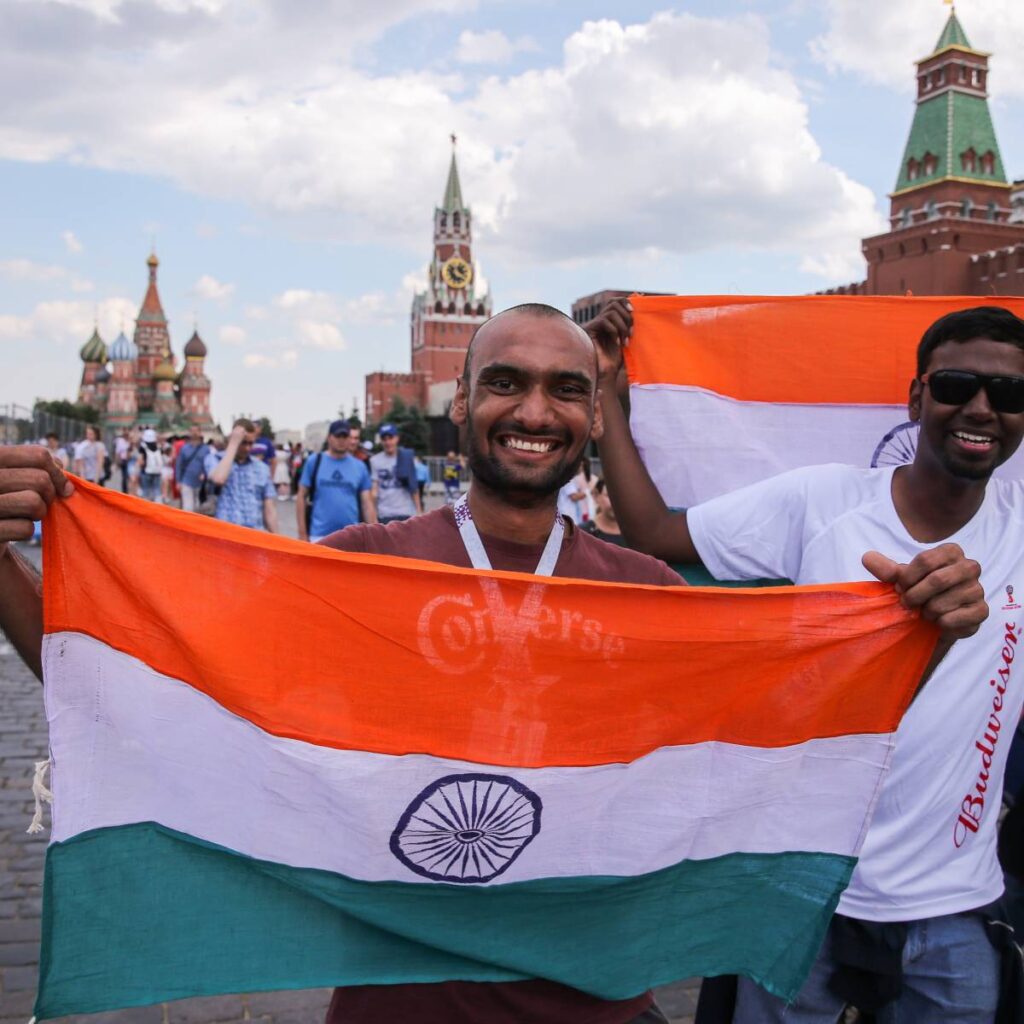
In the heart of New Delhi, a quiet revolution is unfolding. It does not involve military parades or nuclear deals. Instead, it is about something far simpler, yet profoundly transformative: the freedom to travel. When an Indian tourist boards a plane for Moscow, or a Russian family steps off a flight in Goa, they are not just taking a vacation. They are weaving a new thread into the fabric of one of the most enduring, but often misunderstood, bilateral relationships of the modern world.
For decades, the partnership between India and Russia was defined by geopolitical gravity. It was a relationship of tanks, power plants, and diplomatic vetoes. The human element, the warm everyday interaction between ordinary citizens, remained a secondary note. But that is changing. By betting on easier visas and higher mobility, New Delhi and Moscow are signalling a determination to democratise their partnership, as noted by analyst Priyanshu Agarwal. The result is a story of transformation, where tourism is no longer a sideline but a central pillar of a diversified alliance.

The Old Blueprint: From Geopolitics to People to People
To understand this shift, we must first look back. The Indo Soviet friendship of the 20th century was a masterpiece of strategic alignment. It was a relationship built on high level summits, heavy machinery, and a shared vision of a multipolar world. Yet, for the average person in Bangalore or Vladivostok, the connection felt distant. Visas were bureaucratic hurdles. Flights were scarce. The cultural exchange was largely confined to Bollywood films shown in Soviet cinemas and a handful of Russian language courses in Indian universities.
This was a partnership of elites. It worked for the state, but it did not work for the citizen. The relationship lacked the grassroots energy that comes from millions of people simply wanting to see each other’s world. The old blueprint was strong, but it was narrow. It needed to be diversified. And the key to that diversification, surprisingly, was tourism.
Tourism is the ultimate democratizer. It bypasses diplomatic protocols and allows two cultures to meet on equal footing. When a Russian tourist haggles for spices in a Jaipur market, or an Indian traveler admires the onion domes of St. Petersburg, they are engaging in a form of soft diplomacy that no treaty can prescribe. It is personal, messy, and incredibly effective.
The Visa Revolution: Unlocking the Gates
The most visible sign of this new direction is the dramatic simplification of visa processes. The introduction of e visas for Russians visiting India has been a game changer. No longer does a traveler need to spend weeks navigating paperwork. A few clicks online, and the door is open. Similarly, Russia has been making strides to ease entry for Indian nationals, including the possibility of group visa waivers and simplified electronic travel authorizations.
These are not just administrative tweaks. They are clear signals. By lowering barriers, both governments are saying: we trust our citizens to be the best ambassadors. We want you to go, to see, to spend, and to understand. The result has been a steady increase in bilateral tourist flows. Before the pandemic, over 200,000 Indians visited Russia annually, and the numbers were climbing. Russian arrivals in India, while smaller, were also growing, drawn by the beaches of Kerala, the spirituality of Rishikesh, and the heritage of the Golden Triangle.
But the visa revolution is about more than numbers. It is about perception. For years, the average Indian knew Russia as a cold, distant land of icy winters and Soviet nostalgia. The average Russian saw India as an exotic but expensive destination. Easier travel is melting those stereotypes. Social media is now flooded with photos of Indian tourists in the Kremlin, and Russian influencers exploring the backwaters of Alleppey. This digital proof is worth a thousand embassy brochures.

Beyond Beaches and Bolshoi: New Tourism Horizons
While the classic attractions remain popular, the evolving role of tourism is pushing the partnership into new, exciting territories. Medical tourism is a rising star. Indians are looking for affordable, high quality healthcare, and Russia’s advanced medical facilities in oncology and cardiology are becoming a draw. Meanwhile, Russian tourists are discovering India’s wellness and Ayurveda centers, seeking treatments that combine tradition with tranquility.
Educational tourism is another frontier. Russia has long been a destination for Indian students pursuing engineering and medicine. But now, shorter courses, summer schools, and cultural immersion programs are attracting a broader demographic. Young Indians are learning Russian cuisine, while young Russians are studying Indian classical dance. These exchanges build a foundation of mutual understanding that will serve the relationship for generations.
Adventure tourism is also on the rise. Russian travelers are drawn to the Himalayas, to Ladakh for motorbiking, and to the jungles of central India for tiger safaris. Indians, in turn, are exploring the wilds of Kamchatka and the trails of Lake Baikal. The partnership is expanding from the tourist centers to the edges of both countries, creating a network of shared experiences that is as diverse as the geography itself.
The economic impact is substantial. Every tourist dollar spent in a local shop, every hotel booking, every meal eaten, creates jobs and strengthens ties. The tourism sector is becoming a microcosm of what the broader bilateral relationship could be: balanced, mutually beneficial, and deeply human.
The Geopolitics of a Smile
Tourism may seem apolitical, but in the current global context, it carries significant geopolitical weight. As Western sanctions limit Russia’s access to traditional tourism markets, India emerges as a natural alternative. For Indian tourists, Russia offers a unique experience without the visa restrictions common in many Western nations. This is not just convenient; it is a statement of strategic autonomy. Travel decisions are quietly aligning with foreign policy realignments.
Furthermore, the democratization of the partnership through tourism has a stabilizing effect. When millions of people have a personal stake in a friendly relationship, it becomes harder for political tensions to derail that relationship. A Russian family who spent their holiday in Kerala will remember the warmth of the people, not the headlines about arms deals. An Indian student who studied in Moscow will carry a positive association for life. These personal connections create a reservoir of goodwill that is invaluable in times of crisis.
The Indian government has recognized this. Initiatives like the ‘Incredible India’ campaign, targeted specifically at the Russian market, and the promotion of Russian language courses in Indian universities, are deliberate investments in people to people ties. The Russian side has reciprocated with cultural festivals, food weeks, and an increased presence of Indian events in Moscow and St. Petersburg.
Looking Ahead: A Shared Journey
The road ahead is not without challenges. Infrastructure needs to catch up. Direct flights, especially between non metropolitan cities, remain limited. Language barriers still exist, though translation apps are helping. And the global travel industry is still recovering from the pandemic. But the direction is clear. The partnership between India and Russia is no longer just a marriage of convenience between governments. It is becoming a love story between two peoples.
We are witnessing the birth of a genuine people’s partnership. The old model of big ticket deals and closed door negotiations is being complemented by a vibrant ecosystem of travel, learning, and cultural exchange. Every visa application approved, every flight taking off, every selfie taken at a street corner in St. Petersburg or a chai stall in Delhi, is a brick in the foundation of this new era.
As Priyanshu Agarwal aptly puts it, the decision to bet on easier visas and higher mobility is a determination to democratise the partnership. It is an invitation to everyone, not just diplomats, to be part of this shared journey. The evolving role of tourism is not just about sun and snow. It is about building bridges that are strong, wide, and open to all. That is a destination worth traveling for.