The Great Divide: How Europe and Turkey Are Driving a Wedge Through the Western Alliance
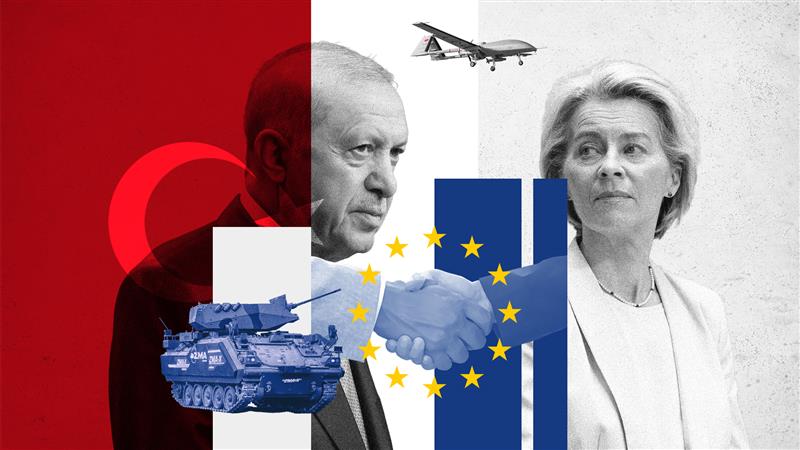
Once upon a time, the Western alliance seemed unbreakable. A shared vision of democracy, security, and prosperity bound the United States, Europe, and Turkey together under the NATO umbrella. But today, that unity is crumbling. Rising tensions between Europe and Turkey are no longer diplomatic hiccups; they are symptoms of a deeper fracture that threatens to reshape the global order. The disputes over Cyprus, energy corridors, and geopolitical alignment have grown into a crescendo of mistrust. At the heart of this turmoil lies a striking contradiction: Europe’s growing dependence on Turkey as an energy hub even as it questions Ankara’s loyalty. This blog post explores the unraveling of the Western bloc and what it means for the future.

The story begins in the Eastern Mediterranean. Cyprus, an island divided since 1974, remains a festering wound. Turkey’s support for the Turkish Republic of Northern Cyprus, unrecognized by most nations, clashes with Europe’s backing of the Greek Cypriot government. Recent exploration for natural gas in the region has escalated from diplomatic spats to naval standoffs. European Union statements condemning Turkey’s drilling activities have been met with sharp rhetoric from Ankara. The EU, in turn, has threatened sanctions. Yet, these measures lack bite because Europe cannot afford to alienate a key energy partner. Turkey sits astride crucial pipelines from the Middle East and Central Asia. As the war in Ukraine disrupts Russian gas supplies, Europe looks to Turkey for alternative routes. This dependency creates an uncomfortable paradox: the same country Europe scolds over Cyprus is the one it needs to keep the lights on.
The Energy Contradiction
Europe’s energy crisis has exposed a stark contradiction. After the Russian invasion of Ukraine, the EU scrambled to diversify its gas imports. Turkey emerged as a critical corridor, hosting the Trans Anatolian Natural Gas Pipeline (TANAP) from Azerbaijan and the TurkStream pipeline from Russia. Even as European leaders vow to reduce dependence on Russian energy, they tacitly accept that Turkey remains a conduit. Ankara has leveraged this position, demanding concessions on visa liberalization and customs union updates. The result is a delicate dance: Brussels needs Istanbul’s cooperation, but internal political dynamics make any overt partnership toxic. This is the classic tale of a lover who cannot live with or without the other. The Western alliance, once a marriage of convenience, is now a cold cohabitation.
Geopolitical Realignment
Beyond energy, Turkey has charted an independent course that alarms European capitals. Its purchase of Russian S400 missile defense systems led to its expulsion from the F35 fighter jet program. Its military operations in Syria, Iraq, and Libya often defy NATO consensus. Most notably, Turkey has forged closer ties with Russia and China, attending the Shanghai Cooperation Organization summits and deepening economic cooperation with Beijing. For Europe, this looks like a betrayal. But for Turkey, it is a pragmatic response to a shifting global order. The West no longer offers the unalloyed benefits it once did. Turkey’s economy is stagnant, its currency in freefall, and its democratic backsliding has alienated traditional allies. Meanwhile, emerging powers like China offer investment without political strings. This realignment is not unique to Turkey; it is a symptom of a multipolar world where the Americanled order is losing its gravitational pull.
NATO’s Identity Crisis
Inside NATO, the friction is palpable. Turkey blocks Sweden’s accession over disputes about Kurdish groups it considers terrorists. Europe views this as blackmail. When President Erdogan linked Sweden’s NATO membership to concessions on counterterrorism and F16 sales, European diplomats gasped. The alliance has weathered such storms before, but this time it feels different. Turkey has become a taker, not a giver. Its military, while second largest in NATO, is seen as an instrument of its own national interests rather than collective defense. The United States, preoccupied with China, has less bandwidth to mediate disputes. The result is a hollowed out alliance that exists on paper but lacks the trust needed for real cooperation.

Cyprus: The Eternal Thorn
Let us return to Cyprus. The island is more than a territorial dispute; it is a symbol of the impossibility of reconciliation. Turkey maintains 35,000 troops in Northern Cyprus, a presence Europe considers an occupation. The EU, which counts Greek Cyprus as a member, cannot recognize the north. Yet, Turkey insists on a two state solution. Every few years, negotiations restart and collapse. The latest UN led talks in Geneva went nowhere. For Europe, Cyprus is a litmus test of Turkey’s commitment to international law. For Turkey, it is a matter of national security and the rights of Turkish Cypriots. Neither side is willing to budge. This impasse bleeds into every other area of EU Turkey relations. It poisons trade talks, stymies cooperation on migration, and fuels nationalist rhetoric on both sides.
The Migration Factor
Another fault line is migration. Europe depends on Turkey to host millions of Syrian refugees under a 2016 deal that provided billions in aid. But Turkey has repeatedly accused Europe of failing to deliver on promises. In 2020, Ankara threatened to open its borders and let refugees flood into Greece, a move that sent shockwaves through Brussels. The threat was real, and Europe blinked, agreeing to more funding. This transactional relationship breeds resentment. Europe sees Turkey as a gatekeeper that uses human lives as bargaining chips. Turkey sees Europe as a hypocrite that wants to outsource its humanitarian responsibilities. Neither side is entirely wrong. The migration issue remains a ticking time bomb, capable of reigniting tensions at any moment.
A Shifting Global Order
The backdrop to all these disputes is a fundamental change in the world order. The West no longer dominates global economics or politics. China’s Belt and Road Initiative, Russia’s energy diplomacy, and the rise of the Global South offer alternatives. Turkey, a country straddling Europe and Asia, is perfectly positioned to benefit from this multipolarity. It can play both sides: demanding more from Europe while deepening ties with Beijing and Moscow. For Europe, this is a losing game. Every concession to Turkey strengthens the very forces that undermine Western unity. The illusion of a monolithic West is fading. Instead, we see a world of competing interests, where old alliances are tested and new ones form. The Europe Turkey breakdown is not an anomaly; it is a preview of the future.
Conclusion: The End of an Era
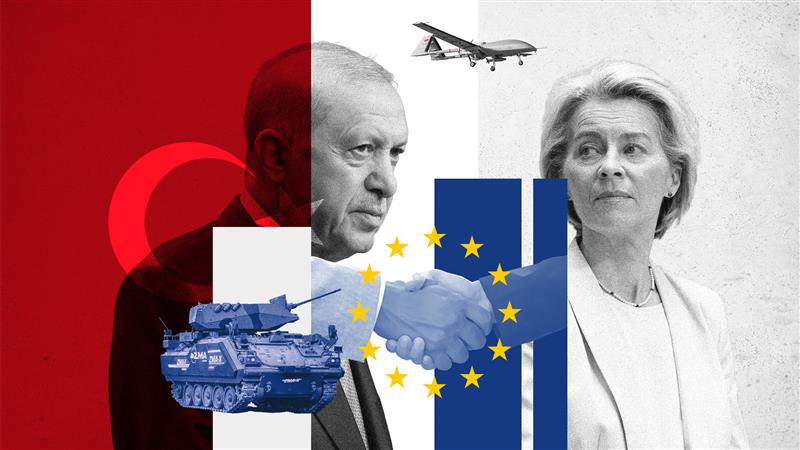
The Western alliance that won the Cold War and shaped the post 1990 world is unraveling. Europe and Turkey are no longer partners in a shared project; they are rivals in a messy divorce. The disputes over Cyprus, energy, and alignment are not isolated. They reflect a deeper crisis of trust and purpose. Europe must decide whether to accommodate Turkey’s demands and risk internal backlash, or to tighten sanctions and lose a vital energy partner. Turkey, meanwhile, must weigh its Western ties against the allure of a multi polar world. One thing is clear: the era of automatic Western solidarity is over. The fractures exposed today will take years to heal, if they ever do. As the global order shifts, both Europe and Turkey will need to find a new equilibrium. But for now, the cracks are widening, and the house is no longer intact.