Russia’s Economic Pivot to China: A New Era of Trade Dominance
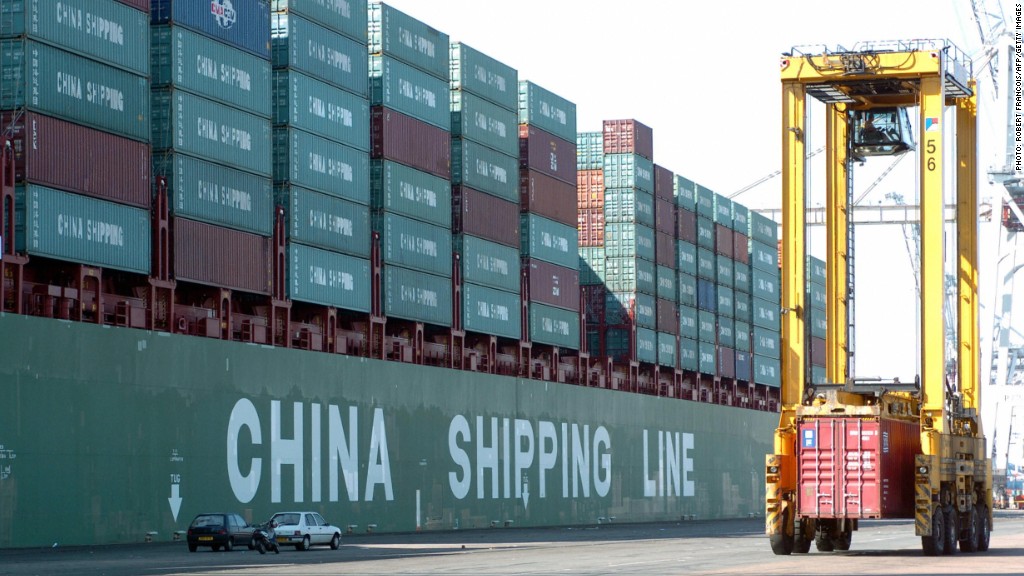
In the vast tapestry of global economics, few relationships have evolved as rapidly and decisively as that between Russia and China. Once considered distant neighbors with cautious diplomacy, the two giants have forged a bond that is reshaping trade routes and geopolitical alliances. Recent data reveals a staggering reality: China accounted for roughly a third of Russia’s total trade in 2025, according to information compiled from UN Comtrade and national customs statistics. This figure underscores how quickly Beijing has become Moscow’s dominant partner, a shift that is now under sharper scrutiny as the world watches this economic tilt with a mix of awe and apprehension.
The Numbers Speak Volumes Imagine a world where one nation holds the key to another’s economic survival. The trade data from 2025 paints this very picture for Russia and China. With China encompassing approximately 33 percent of Russia’s total trade turnover, the dependency is not just significant; it is transformative. This surge did not happen overnight. It is the culmination of years of strategic alignment, fueled by geopolitical upheavals and a shared vision of countering Western influence. The statistics, drawn from reliable sources like UN Comtrade, highlight a trajectory that few could have predicted a decade ago. As Russia’s trade with traditional partners waned, China stepped in, offering a lifeline that has now become a cornerstone of the Russian economy.
A Historical Perspective on an Unlikely Alliance To understand the present, we must look to the past. Russia and China have a complex history marked by periods of cooperation and contention. However, the turning point came with the imposition of Western sanctions on Russia following events in Ukraine. Isolated from European and American markets, Moscow turned eastward, finding in Beijing a willing and capable partner. China, with its immense manufacturing prowess and hunger for resources, saw an opportunity to secure energy supplies and expand its influence. This symbiotic relationship accelerated, with trade agreements and infrastructure projects like the Power of Siberia gas pipeline becoming symbols of this new era. The speed at which this partnership has deepened is a testament to the pragmatic calculations on both sides.
The Mechanics of a Deepening Trade Relationship What exactly flows between these two nations? The trade basket is diverse, ranging from Russian hydrocarbons like oil and natural gas to Chinese machinery, electronics, and consumer goods. Russia, rich in natural resources, has become a primary energy supplier to China, satisfying its growing appetite for fuel. In return, China floods the Russian market with goods that were once sourced from the West. This exchange is not limited to commodities; it extends to technology, agriculture, and even military cooperation. The integration is so profound that in some sectors, Russian companies now rely almost exclusively on Chinese components. This interdependency creates a robust but potentially fragile ecosystem where disruptions could have cascading effects.
Geopolitical Ripples and Global Scrutiny As Russia’s economic tilt toward China intensifies, the world is taking note. Western nations, in particular, are closely monitoring this alliance, concerned about its implications for global security and trade balance. The scrutiny is not merely academic; it influences policy decisions and diplomatic maneuvers. For instance, the United States and its allies have expressed unease over the possibility of China aiding Russia in circumventing sanctions. This has led to increased pressure on Beijing, though China has maintained a careful balancing act. Meanwhile, other regions like Central Asia and Europe are recalibrating their own strategies in response to this shifting axis. The partnership is redefining power dynamics, challenging the post Cold War order and prompting a reevaluation of alliances worldwide.
Challenges on the Horizon: Dependency and Divergence No economic relationship is without its pitfalls. For Russia, overreliance on China poses significant risks. While trade with China provides a buffer against Western pressure, it also makes Russia vulnerable to Chinese economic policies and potential disputes. History shows that asymmetric partnerships can lead to friction, especially if interests diverge. Moreover, Russia’s economy faces the challenge of diversification; too much focus on China could stifle domestic innovation and trade with other partners. On China’s part, engaging deeply with Russia brings its own set of complexities, including the need to manage relations with the West and address internal economic pressures. Both nations must navigate these waters carefully to ensure that their bond remains a source of strength rather than a point of contention.

The Future of Sino Russian Economic Ties Looking ahead, the trajectory of Russia China trade seems poised for further growth. With plans for new pipelines, rail networks, and digital infrastructure, the physical and digital connectivity between the two countries will only deepen. However, this future is not predetermined. External factors such as global economic slowdowns, technological competition, and environmental concerns will shape the path forward. Additionally, internal dynamics within both nations, including political shifts and public opinion, will influence the partnership. What is clear is that the economic tilt toward China has become a defining feature of Russia’s strategy, one that will continue to evolve under the watchful eyes of the international community.
In conclusion, the data from 2025 revealing China’s share of Russia’s trade is more than a statistic; it is a symbol of a profound transformation. This economic pivot has redrawn the map of global influence, creating a partnership that challenges existing norms and invites intense scrutiny. As Russia and China navigate this journey, the world must adapt to a new reality where trade is not just about goods and services, but about power, ideology, and the future of international relations. The story of Russia’s economic destiny is now inextricably linked to China’s rise, a narrative that will unfold in the chapters to come.