India’s Strategic Fertilizer Gambit: Navigating Global Shortages with Russian and Belarusian Imports
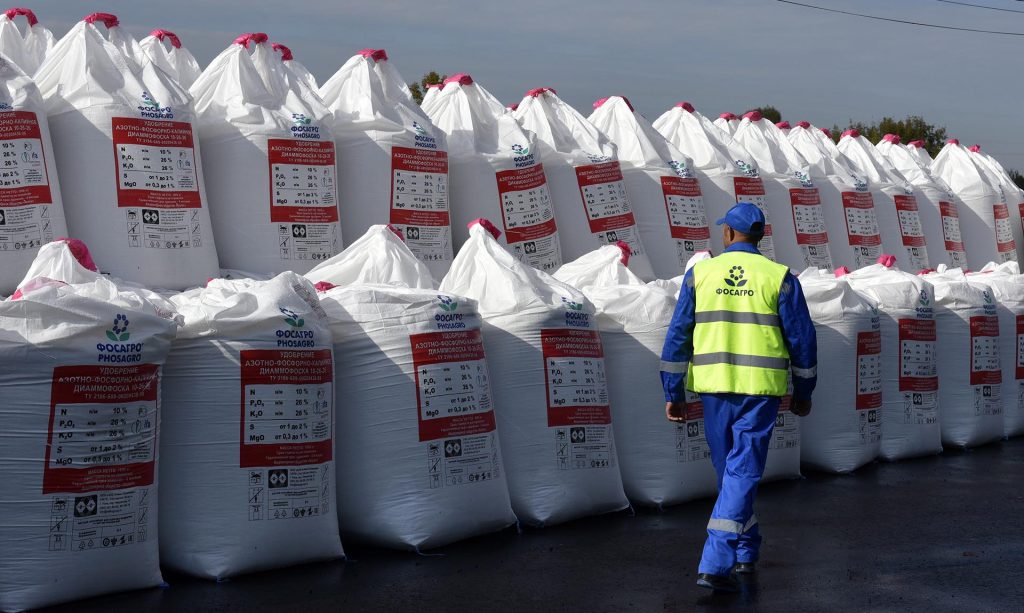
In the heart of India’s agricultural landscape, where the rhythm of life is dictated by the monsoon and the harvest, a silent crisis is brewing. The lifeline of these vast fields fertilizers is under threat, not from the skies but from geopolitical storms thousands of miles away. As conflicts in the Middle East disrupt supply chains, India, a nation that feeds over a billion people, is making a strategic pivot to secure its future. This move involves bolstering imports from Russia and Belarus, a decision that could reshape global trade dynamics and ensure food security for millions. The reported shift comes amid a severe shortage due to the conflict in the Middle East, which supplies about half of New Delhi’s imports, putting immense pressure on farmers and policymakers alike. This blog post delves into the story behind this crucial decision, exploring its implications, challenges, and the broader narrative of India’s quest for stability in turbulent times.

The Fertilizer Crisis Unfolds: A Perfect Storm
Imagine a farmer in Punjab, staring at barren fields, waiting for the delivery of fertilizers that may never come. This scene is becoming increasingly common across India as the global fertilizer shortage hits home. The crisis stems from a confluence of factors, with the conflict in the Middle East playing a pivotal role. This region, rich in natural gas and phosphate reserves, is a major hub for fertilizer production. For India, it has been a reliable source, accounting for nearly 50% of its imports. However, with shipping routes disrupted, production halts, and geopolitical tensions soaring, that reliability has vanished overnight. The shortage is not just a supply chain glitch; it is a threat to India’s food security, economic stability, and social harmony. As prices skyrocket and stocks dwindle, the government is scrambling for solutions, leading to the bold move of turning to Russia and Belarus. This story is one of resilience and adaptation, as India navigates the choppy waters of international trade.
India’s Import Dependency: A Legacy of the Green Revolution
To understand the gravity of the situation, we must look back at India’s agricultural history. The Green Revolution of the 1960s transformed India from a famine prone nation to a food surplus one, but it came with a cost: a deep seated reliance on chemical fertilizers. Today, India is the world’s second largest consumer of fertilizers, yet its domestic production meets only a fraction of the demand. This gap is filled by imports, making the country vulnerable to global market fluctuations. The Middle East has been a cornerstone of this import strategy, but with the current conflict, that foundation is shaking. Farmers, who form the backbone of India’s economy, are caught in the crossfire, facing delayed sowing seasons and reduced yields. The dependency on imports is a double edged sword, offering access to essential nutrients but also exposing India to external shocks. This crisis underscores the urgent need for a more balanced approach, blending imports with domestic innovation.

Turning to Russia and Belarus: A Pragmatic Alliance
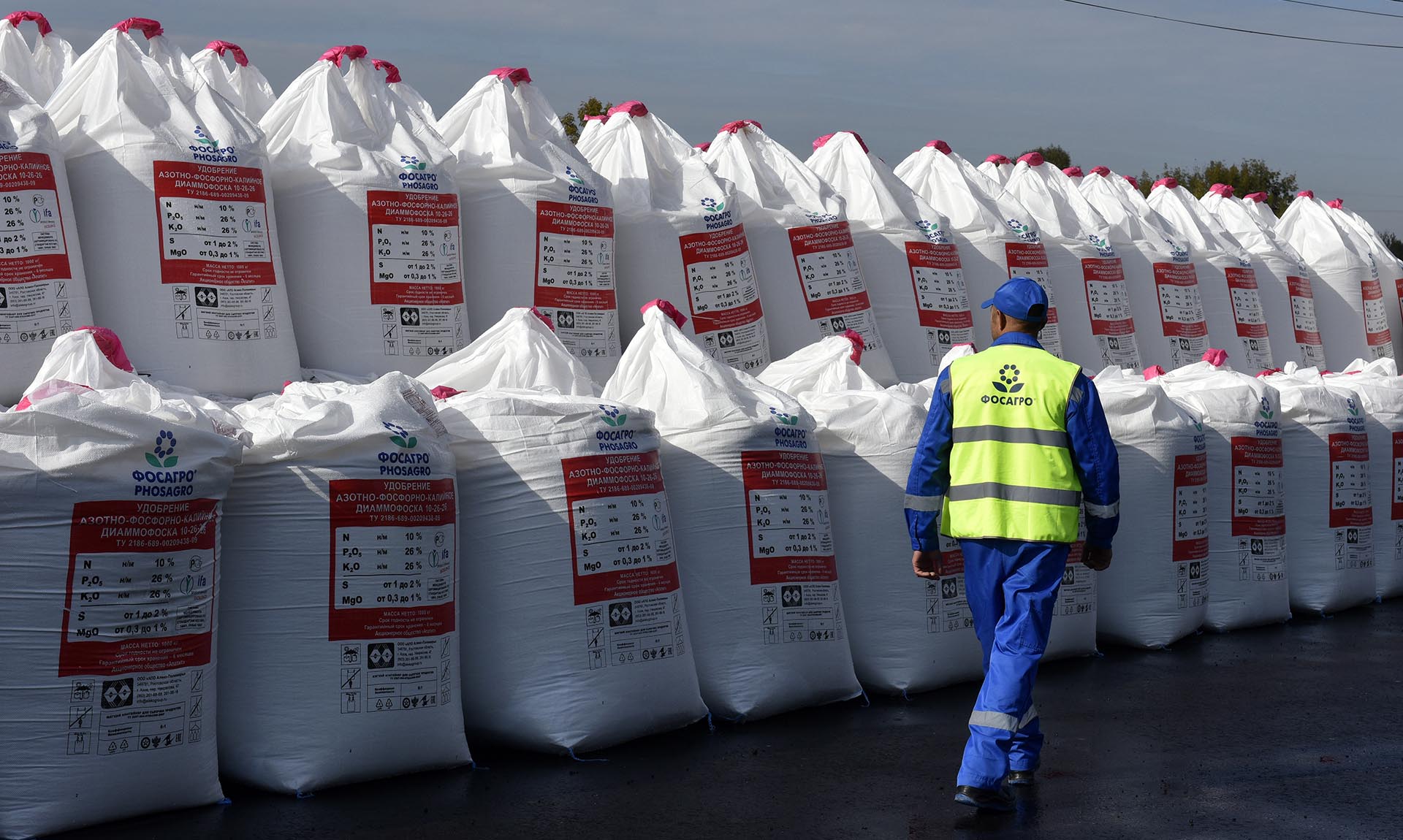
In the face of adversity, India is charting a new course by strengthening ties with Russia and Belarus for fertilizer imports. These nations are powerhouses in the fertilizer industry, with Russia being a top producer of potash and nitrogen based fertilizers, and Belarus contributing significantly to global potash supplies. This pivot is not merely a reaction to the Middle East shortage; it is a strategic diversification effort. India has longstanding diplomatic and economic relations with Russia, and this move builds on that foundation. By tapping into these alternative sources, India aims to create a more resilient supply chain, reducing its overreliance on any single region. The logistics involve navigating longer shipping routes, potentially through the Arctic or via land corridors, but the trade off is worth it for stability. This shift also opens doors for deeper economic cooperation, with opportunities for joint ventures and technology transfers. It is a testament to India’s pragmatic foreign policy, where national interests guide decisions, even in a complex geopolitical landscape.
Geopolitical Chessboard: Balancing Act in a Divided World
India’s decision to boost imports from Russia and Belarus is fraught with geopolitical nuances. Both Russia and Belarus are under international sanctions due to the Ukraine conflict, and aligning with them could strain India’s relations with Western allies. However, India has historically maintained a non aligned stance, prioritizing its sovereign interests. This move reflects that philosophy, as food security trumps political pressures. India is walking a tightrope, engaging with all sides while avoiding entanglement in conflicts. The diplomatic finesse required is immense, but India’s large market and strategic position give it leverage. By importing fertilizers from Russia and Belarus, India is also sending a message about multipolarity in global trade, challenging the dominance of traditional supply networks. This balancing act is crucial for maintaining India’s autonomy and ensuring that its agricultural sector remains insulated from external volatilities. The story here is one of diplomatic agility, as India crafts a path that safeguards its people without compromising its principles.
Economic Ripples: Costs, Subsidies, and Market Shifts
The economic ramifications of this import shift are multifaceted. On one hand, sourcing fertilizers from Russia and Belarus might entail higher transportation costs, but on the other, it could lead to more stable pricing in the long run. India’s government is likely to negotiate bulk deals to mitigate expenses, possibly using rupee ruble trade mechanisms to bypass dollar based sanctions. For farmers, the immediate hope is that increased imports will ease price pressures and ensure timely availability. However, the government may need to bolster subsidies, which already account for a significant portion of the agricultural budget. This could strain fiscal resources, but the alternative widespread crop failures is far worse. Globally, India’s increased demand from Russia and Belarus could tighten supplies, affecting prices in other regions. It might also incentivize other countries to explore similar diversifications, reshaping global fertilizer trade dynamics. The economic narrative is one of calculated risk, where short term costs are weighed against long term gains in food security and market stability.
The Road Ahead: Towards Self Reliance and Sustainability
While boosting imports is a critical short term measure, the long term vision for India must center on self reliance and sustainability. Initiatives like Atmanirbhar Bharat (Self Reliant India) highlight the need to reduce import dependency across sectors, including fertilizers. This involves ramping up domestic production through investments in infrastructure, research, and development. Exploring alternative fertilizers, such as organic and bio fertilizers, can also reduce the environmental impact and enhance soil health. Additionally, promoting precision farming techniques can optimize fertilizer use, minimizing waste. The current crisis serves as a wake up call, urging policymakers to accelerate these efforts. In the interim, imports from Russia and Belarus provide a buffer, allowing India time to build a more resilient agricultural ecosystem. The journey ahead is challenging, but with strategic planning and innovation, India can turn this crisis into an opportunity for transformation. The story of India’s fertilizer strategy is evolving, blending immediate actions with future aspirations.
Conclusion: A Bold Move for a Hungry Nation
India’s pivot to Russia and Belarus for fertilizer imports is more than a trade adjustment; it is a statement of resilience in an interconnected world. As conflicts rage and supply chains fracture, India is taking decisive steps to protect its farmers and ensure food for its people. This move highlights the intricate link between geopolitics and agriculture, where national security is deeply tied to resource availability. By diversifying its import sources, India is not only safeguarding its own interests but also contributing to global food stability. The path forward requires continued diplomacy, economic prudence, and a commitment to sustainable practices. As the story unfolds, India’s fertilizer gambit will be watched closely, offering lessons in adaptability and strategic thinking. In the end, it is a tale of a nation striving to feed its billions, come what may, and in doing so, shaping the future of global trade and food systems.