China Russia Trade Tops 200 Billion USD for Third Year: A Tale of Resilience and Partnership
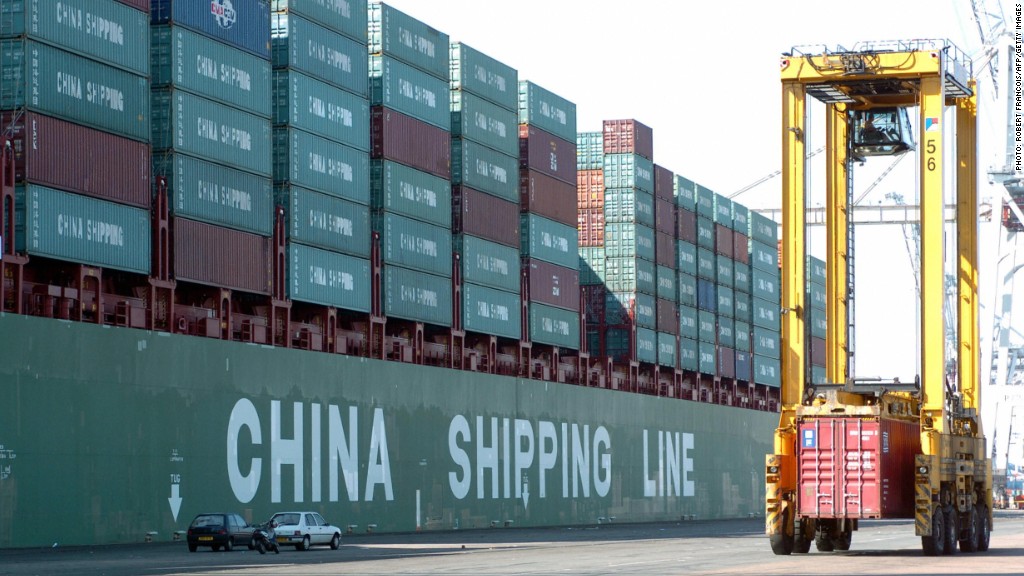
In the cold embrace of a Moscow winter, a container ship from Shanghai docks at the port of Vladivostok, its hold filled with electronics, machinery, and consumer goods. Across the vast expanse of Siberia, a train laden with Russian crude oil rumbles toward the Chinese border, its cargo destined for refineries in Heilongjiang. These are not isolated transactions; they are the pulse of a relationship that has defied geopolitical headwinds and global economic turbulence. For the third consecutive year, bilateral trade between China and Russia has surged past the 200 billion US dollar mark, a milestone that speaks volumes about the resilience, strategic alignment, and deep rooted interdependence of the world’s two largest neighbors. This is not just a statistic; it is a story of two nations forging an economic bond that grows stronger even as the world around them shifts.

When the first trade figures emerged for 2024, analysts braced for a slowdown. Western sanctions on Russia, supply chain disruptions, and a softening global economy seemed poised to clip the wings of this trade boom. Yet the numbers told a different story. Total trade volume exceeded 200 billion USD for the third year running, with Chinese exports of high tech goods and Russian energy exports leading the charge. The resilience is staggering. In 2022, trade hit a record 190.3 billion USD before crossing the 200 billion threshold in 2023. Now, with 2024 data confirmed, it is clear that this is no flash in the pan. The trade corridor has become a lifeline for both economies: for Russia, a critical outlet for its oil, gas, and commodities; for China, a reliable source of energy and raw materials that fuels its manufacturing engine.
The Energy Backbone
At the heart of this trade surge lies energy. Russia has become China’s largest supplier of crude oil, piped gas, and coal. The Power of Siberia pipeline, which began commercial operations in 2019, now delivers over 30 billion cubic meters of natural gas annually, with another line, Power of Siberia 2, under discussion. This energy flow is not just about numbers; it is about strategic security. For China, it reduces reliance on maritime chokepoints like the Strait of Malacca. For Russia, it replaces lost European markets. The symbiosis is almost poetic: a sprawling network of pipelines, railways, and sea routes linking the Siberian taiga to the factories of Guangdong. The trade boom is also visible in everyday goods. Chinese automobiles, smartphones, and industrial equipment have flooded the Russian market, filling shelves left empty by departing Western brands. In return, Russian fertilizers, timber, and agricultural products find eager buyers in China. The trade basket has diversified beyond energy, with bilateral agricultural trade alone growing by double digits annually.

Beyond the Headlines: The Human Element
But this story is not just about commodities and balance sheets. It is about people. Take Sergei, a truck driver from Blagoveshchensk, who now makes regular runs to Heihe, a Chinese city just across the Amur River. Before 2022, his route was quiet; now, his rig is always full. Or consider Li Wei, a small business owner in Shenzhen who started exporting electronic components to Moscow two years ago. His sales have tripled, and he now employs five more staff. These micro stories are the threads that weave the macro narrative. The trade boom has created jobs, built cross border infrastructure, and fostered cultural exchanges through business. The opening of new border crossings, like the bridge across the Heilongjiang River between Russia and China, has cut transport times and costs. Chinese yuan renminbi is increasingly used in settlements, reducing dependence on the US dollar. The BRICS framework has provided a platform for deeper financial integration, with discussions of a common currency gaining traction.
Global Challenges and the BRICS Factor
Of course, the path has not been smooth. Western sanctions on Russia have complicated payment systems and logistics. Insurance costs have risen, and some Chinese banks initially hesitated to handle transactions. Yet both sides adapted. Bilateral trade in national currencies has soared, with the yuan now accounting for over 30% of settlements. The BRICS expansion, which added new members like Egypt, Iran, and the UAE, has further solidified the economic bloc’s influence. Trade between China and Russia is now a pillar of the BRICS economic architecture, demonstrating that alternative trade networks can thrive outside the Western dominated system. The resilience is also a testament to the personal rapport between leaders Xi Jinping and Vladimir Putin, who have met numerous times in recent years. Their strategic alignment, rooted in a shared vision of a multipolar world, provides the political will to overcome obstacles.

What the Future Holds
Looking ahead, the trajectory appears bullish. Analysts project bilateral trade could reach 250 billion USD by 2026, driven by new energy deals, infrastructure projects, and a growing middle class in both countries. The Arctic LNG projects, joint ventures in rare earth mining, and cooperation in digital currencies are all on the horizon. However, challenges remain. The global macroeconomic environment is uncertain, with inflation and debt pressures looming. Competition from other trade partners, such as India in the energy market, could intensity. And geopolitical tensions, particularly regarding Taiwan and the Ukraine conflict, may create friction. Yet for now, the trade data sends a clear message: the China Russia economic partnership is not a temporary phenomenon but a structural shift in global trade dynamics. It is a partnership built on mutual need, strategic complementarity, and an unspoken understanding that in a turbulent world, some bonds are forged in fire.
As the sun rises over the Ural Mountains, another shipment of liquefied natural gas loads at the Yamal terminal, destined for Tianjin. In a bustling market in Harbin, Russian honey and chocolate sell out within hours. The numbers 200 billion may seem abstract, but they represent something tangible: the quiet, persistent engine of a relationship that is reshaping Eurasia. For two nations that share the world’s longest land border, this trade milestone is not a finish line but a launching pad. The third consecutive year above 200 billion is a testament to the strength of the China Russia partnership, a partnership that will continue to evolve, adapt, and grow in the years to come.