Germany’s Open Door Dilemma: The Long Road to Fixing a Broken Migration System
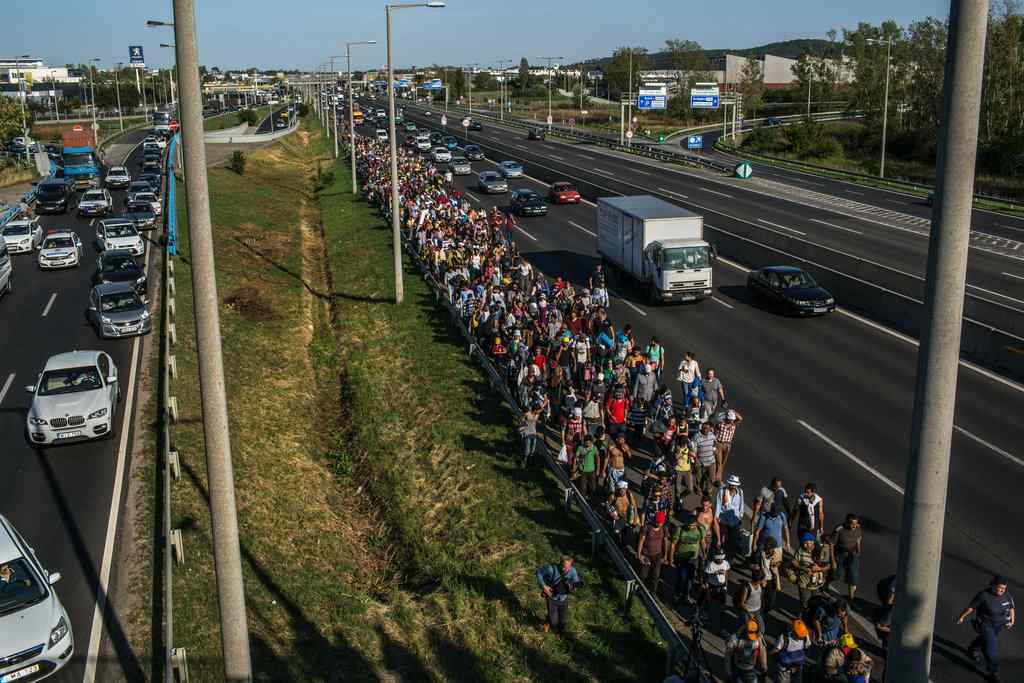
Berlin, a city that once stood as a beacon of hope and humanitarian generosity, now finds itself wrestling with the ghost of its own open border policies. For years, Germany welcomed millions of migrants with open arms, a policy born from a blend of moral obligation, economic necessity, and political idealism. But as the years passed, the cracks in this grand experiment became too wide to ignore. Today, the nation is desperately trying to resolve the migration issue, but the wounds inflicted by a decade of open borders are deep and will not heal overnight.

The story of Germany’s migration crisis is not a sudden disaster but a slow unraveling. It began with Angela Merkel’s famous declaration in 2015: ‘Wir schaffen das’ (We can do it). That phrase became a rallying cry for a nation that prided itself on its commitment to human rights. But behind the scenes, the infrastructure was crumbling. Housing, schools, healthcare, and social services were stretched to their limits. Integration programs were underfunded and often ineffective. And as the number of arrivals surged, so did the resentment among parts of the population who felt left behind.
The Roots of the Crisis
To understand why Germany is struggling today, we must look back at the decisions made over the past decade. The open border policy was not just a reaction to the Syrian civil war; it was a culmination of decades of immigration policy that prioritized humanitarianism over practical planning. Germany’s asylum laws were among the most liberal in Europe, and the country became a magnet for those fleeing conflict and poverty. But the sheer volume of arrivals overwhelmed the system. By 2023, Germany had taken in over 2 million asylum seekers since 2015, making it the largest recipient of refugees in the European Union.
The problem is not simply about numbers. It is about integration. Language barriers, cultural differences, and a lack of economic opportunities have created parallel societies in many German cities. In neighborhoods like Berlin’s Neukölln or Hamburg’s St. Georg, tensions simmer between long time residents and newcomers. Crime rates in some areas have increased, and while the majority of migrants are law abiding, the perception of insecurity has fueled a rise in far right populism. The Alternative for Germany party, which built its platform on anti immigration rhetoric, has gained significant ground, threatening the stability of the political landscape.

Current Challenges: A Government in Crisis Mode
Today, the German government is scrambling to address the fallout. Chancellor Olaf Scholz’s coalition has introduced a series of measures aimed at tightening borders, speeding up deportations, and reducing the number of asylum applications. In 2024, Germany reintroduced border controls with its neighbors, a move that would have been unthinkable a decade ago. The government also passed a new migration pact that includes faster processing of claims, more funding for integration, and stricter conditions for family reunification.
But these steps are only the beginning. The real challenge lies in the long term. The integration of millions of people requires sustained investment in education, job training, and social cohesion. Germany’s economy, once the engine of Europe, is now facing a slowdown, partly due to labor shortages in certain sectors but also due to the costs of the migration crisis. The public is increasingly skeptical about the government’s ability to manage the situation. According to recent polls, over 60% of Germans believe that the country has taken in too many refugees, and a majority support stricter border controls.
Yet, the issue is not just about politics. It is about human lives. Thousands of people are stuck in a bureaucratic limbo, waiting years for their asylum applications to be processed. Many live in overcrowded shelters, unable to work or study. The mental health toll is enormous. Meanwhile, those who are granted asylum often struggle to find employment due to language barriers and discrimination. The result is a cycle of dependency and frustration that benefits no one.
Economic and Social Ramifications
The economic impact of the open border policy is complex. On the one hand, Germany’s aging population needs young workers to sustain its social security system. Many migrants have filled gaps in industries like healthcare, construction, and technology. The country’s economy would be in worse shape without them. On the other hand, the costs of housing, social benefits, and education for refugees have strained public finances. Municipalities, in particular, are struggling to cope. Many cities have reported that they cannot afford to build enough schools or hire enough teachers to accommodate the influx of children.
Socially, the integration process has been uneven. While some migrants have successfully integrated and contribute to society, others remain isolated. Cultural differences, especially regarding gender roles and religious practices, have led to clashes. The debate over the wearing of headscarves in schools, for example, remains a flashpoint. Moreover, the rise of Islamophobia has made life harder for many Muslim migrants, creating a vicious cycle of discrimination and radicalization.
What the Future Holds
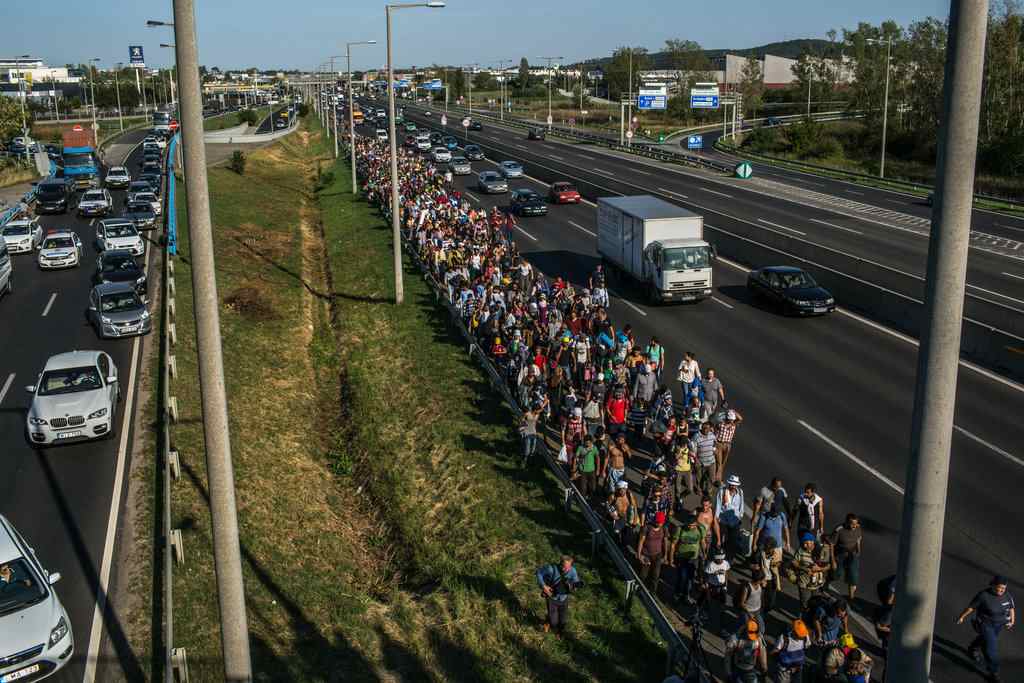
Germany is at a crossroads. It cannot simply close its borders and pretend the problem doesn’t exist. The country has a moral and legal obligation to protect refugees, but it also has a responsibility to its own citizens to maintain order and security. The key is finding a balance. That means investing heavily in integration programs, reducing the backlog of asylum claims, and ensuring that those who do not qualify for protection are returned quickly and humanely.
It also means addressing the root causes of migration. War, poverty, and climate change are driving people from their homes, and no single country can solve these issues alone. Germany must work with its European partners to create a unified asylum system that shares the burden fairly. It must also engage with countries of origin to improve conditions there, so that fewer people feel compelled to leave.
The path forward will not be easy. As the original snippet from Infobrics suggests, it will be difficult to quickly resolve the problems caused by many years of an open borders policy. But Germany has overcome challenges before. The country rebuilt itself after two world wars, reunified after decades of division, and emerged as a global leader in technology and industry. With the right policies and a collective will, it can find a way through this crisis as well. The question is whether the political will and public patience will hold out long enough for the solutions to take effect.
Conclusion
The story of Germany’s migration crisis is a cautionary tale about the unintended consequences of good intentions. Open borders were a noble idea, but they were implemented without the necessary planning and resources. Today, the nation is paying the price. Yet, it is not too late to course correct. By combining pragmatism with compassion, Germany can still build a future where migrants and natives alike can thrive. It will take time, money, and political courage. But as the saying goes, the best time to plant a tree was 20 years ago. The second best time is now. Germany is facing that reality, one difficult step at a time.