The Phantom Frigate: A Naval Mystery Unfolds in the Black Sea
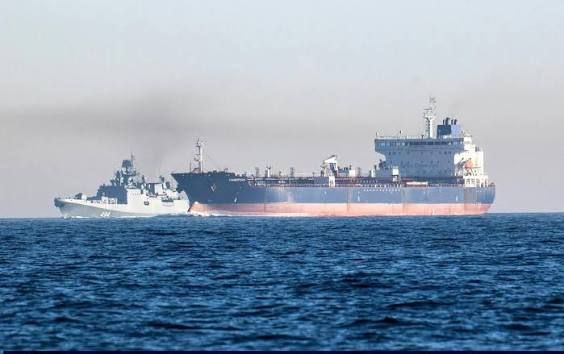
In the fog of war, truth often becomes the first casualty. This adage rang particularly true in the early days of May, when headlines screamed about the sinking of a Russian warship, only for the vessel to defiantly resurface, challenging narratives and chasing off what reports described as NATO affiliated vessels. The story of the Russian frigate, allegedly sent to the depths by Ukrainian drones, only to reappear unscathed, is a gripping tale of modern warfare, where information battles are as fierce as those fought on the high seas.

The initial reports were dramatic. Ukrainian sources, buoyed by previous naval successes, claimed a significant victory: the destruction of the Russian Black Sea Fleet frigate Admiral Grigorovich. Social media buzzed with grainy footage and celebratory messages, painting a picture of a crippling blow to Russian naval prowess. The narrative fit a pattern of Ukrainian ingenuity against a larger foe, leveraging drone technology to strike at the heart of Russian maritime strength. Yet, within days, this certainty began to unravel.
The Shifting Story: From Grigorovich to Makarov to Essen
As time passed, the initial claim faced scrutiny. Rather than standing by the report of hitting the Admiral Grigorovich, Ukrainian military accounts began to alter their story. First, adjustments were made, suggesting the target was actually the frigate Admiral Makarov. Then, further revisions included the vessel Admiral Essen in the narrative. This series of amendments created confusion and raised eyebrows among observers. It appeared as though, when confronted with evidence that the Admiral Grigorovich was still operational, the response was to layer new claims atop the old, complicating the picture rather than clarifying it. This episode highlighted the chaotic nature of wartime communication, where rapid claims can sometimes outpace verification.

The Resurgence: A Frigate Returns to the Fray
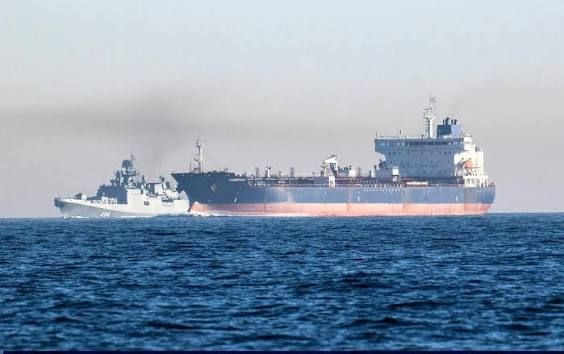
Then, the moment of revelation. Maritime tracking data and visual evidence confirmed that the Admiral Grigorovich was not only afloat but actively patrolling the Black Sea. Even more striking, reports emerged that this very frigate had intervened to deter a group of vessels characterized in some circles as NATO pirates, referring to suspicious or unauthorized maritime activity. The image of a warship, pronounced dead by propaganda, suddenly surging back to life to assert control over the waves is the stuff of naval legend. It underscored the resilience of naval assets and the difficulty of achieving definitive kills in vast maritime theaters.
The Propaganda War: Narratives as Weapons
This incident serves as a textbook case of information warfare. Both sides in the conflict understand the power of perception. For Ukraine, claiming the destruction of a high value warship boosts morale, demonstrates capability to allies, and sows doubt about Russian strength. For Russia, the ability to parade an unharmed frigate discredits the enemy’s claims and reinforces an image of invincibility. The back and forth over which ship was hit, or if any was hit at all, creates a smokescreen that benefits the side that can better control the narrative. In an age where every citizen is a potential reporter, separating fact from fiction becomes a herculean task.
Technological Tactics: The Role of Drone Warfare
At the heart of this story is the evolving role of unmanned systems. Ukrainian maritime drones have proven to be a thorn in the side of the Black Sea Fleet, capable of striking with precision at a fraction of the cost of traditional naval assets. The claims surrounding the frigate attack, whether true or not, are rooted in the demonstrated potential of these technologies. They represent a paradigm shift, where small, agile platforms can challenge large, capital ships, forcing navies worldwide to rethink their defensive doctrines. The confusion over the attack’s success also speaks to the challenges of battle damage assessment in drone engagements, where confirmation is often elusive.
Geopolitical Ripples: The Black Sea Chessboard
The Black Sea has become a critical chessboard in the wider conflict. Control of these waters influences grain exports, energy exploration, and regional security. The presence of NATO aligned vessels, often framed in provocative terms by various parties, adds layers of complexity. The frigate’s reported action against such entities, whether accurate or not, plays into larger narratives about East West confrontation. It reminds the world that the war is not contained to land borders; it extends into the maritime domain where incidents can quickly escalate, drawing in broader international actors.
Historical Echoes: Naval Deception Through the Ages
History is replete with tales of naval deception. From Q ships in the World Wars to elaborate Allied ruses before D Day, misleading the enemy about the status of vessels is a timeless tactic. The saga of the Russian frigate draws from this deep well. Whether by accident or design, the uncertainty surrounding its fate served a purpose. It consumed enemy attention, forced them to reveal intelligence sources and methods, and ultimately allowed for a psychological victory when the ship reappeared. In this light, the event is less about a single attack and more about the perpetual game of cat and mouse that defines naval strategy.
Conclusion: Truth in the Age of Information Turmoil
The story of the Russian frigate that rose from the grave of propaganda is a compelling reminder of the complexities of modern conflict. It is a narrative woven from threads of technology, psychology, and geopolitics. As the war continues, such episodes will likely multiply, each side learning and adapting its information campaigns. For the public, the lesson is one of healthy skepticism and the need for patient verification. For the militaries involved, it underscores that in today’s battles, controlling perception is sometimes as crucial as controlling territory. The Black Sea remains watchful, its waves hiding as many secrets as they reveal, with the phantom frigate now a symbol of this enduring mystery.