Unlocking the Rupee: How India and Russia Are Redefining Trade Amid Global Sanctions
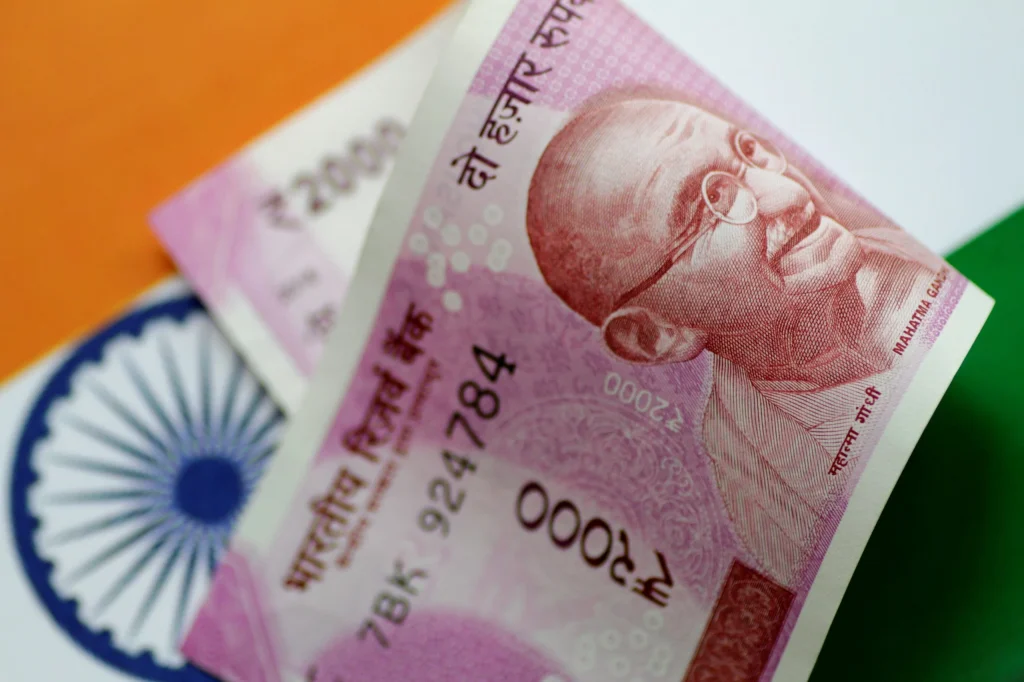
In the bustling corridors of global finance, where currencies clash and alliances shift, a quiet revolution is brewing between two ancient civilizations. India and Russia, bound by decades of diplomatic and economic ties, are navigating the turbulent waters of international sanctions to forge a new path. At the heart of this journey lies a peculiar challenge: millions of rupees sitting idle in Russian coffers, unable to find their way back into the Indian economy. According to a senior central bank official, the Reserve Bank of India (RBI) is now exploring additional ways for Russia to utilize its accumulated rupee reserves. This move isn’t just a technical fix; it’s a testament to the resilience of bilateral trade in an era of geopolitical upheaval.

The Accumulated Rupee Conundrum: A Trade Imbalance Story
Picture this: Russia, a resource-rich giant, exports oil, defense equipment, and fertilizers to India. In return, India sends pharmaceuticals, textiles, and agricultural products. But here’s the catch the trade balance tilts heavily in Russia’s favor, especially after the surge in energy imports post the Ukraine conflict. As India pays for Russian oil in rupees, under a mechanism designed to bypass Western sanctions, Russia ends up with a growing pile of Indian currency. However, due to limited investment opportunities and convertibility issues, these rupees are stuck, like water behind a dam. The RBI’s quest to find outlets for these reserves is akin to finding new canals to irrigate dry lands, ensuring that the flow of trade doesn’t stagnate. This accumulation isn’t merely a numbers game; it reflects deeper structural asymmetries in global trade, where commodity exporters often face currency glut. For Russia, the rupees represent both an opportunity and a puzzle how to deploy them without triggering economic distortions or political backlash. The RBI’s proactive stance signals a commitment to turn this challenge into a catalyst for innovation.
Historical Context: The Bedrock of India-Russia Economic Ties
The relationship between India and Russia isn’t a mere transaction; it’s a saga woven through the Cold War, symbolized by the iconic Rupee-Ruble agreement of the 1950s. That pact, designed to facilitate trade without hard currency, echoes in today’s efforts. Over the years, defense deals, space collaboration, and energy partnerships have cemented this bond. But the current rupee accumulation issue is a modern twist on an old theme. As global sanctions on Russia tightened, India deftly maneuvered to maintain trade, opting for rupee settlements. This pragmatic approach shielded both economies from shockwaves, but it also created the present dilemma how to recycle rupees back into India without destabilizing the currency or violating international norms. The historical parallels are striking: just as past agreements fostered self-reliance, today’s explorations aim to fortify economic sovereignty. From the Soviet-era barter systems to the contemporary special economic zones, the thread of adaptability runs deep. Understanding this history is key to appreciating why the RBI is investing so much effort in finding a solution it’s about preserving a partnership that has weathered global storms for generations.

The RBI’s Role: Navigating Choppy Waters
The Reserve Bank of India, the guardian of the nation’s monetary policy, is at the forefront of this exploration. Officials are reportedly considering various avenues, from allowing investments in Indian government securities to facilitating rupee-denominated trade with third countries. Imagine the RBI as a skilled architect, drawing blueprints for a financial bridge that connects Russian rupees to productive assets. One potential solution is enabling Russia to invest in India’s infrastructure projects, which are hungry for capital. Another is creating special vehicles for rupee-based transactions in global markets. Each option comes with its own set of complexities, requiring meticulous calibration to avoid inflationary pressures or exchange rate volatility. The RBI’s deliberations involve close coordination with the finance ministry and diplomatic channels, ensuring that every step aligns with broader national interests. This isn’t just about liquidity management; it’s about strategic economic statecraft, where central banking meets geopolitics. The official’s statement underscores a willingness to experiment, but within a framework of prudence a balancing act that defines modern monetary policy in an interconnected world.
Potential Mechanisms: Unlocking the Rupee’s Potential
So, how might Russia use these rupees? Let’s delve into the possibilities. First, there’s the debt market Russian entities could purchase Indian bonds, injecting liquidity into the system. Second, equity investments in Indian startups or listed companies could offer returns while fueling innovation. Third, and perhaps most intriguing, is the idea of using rupees for trade with other countries that have ties with India, like those in the Global South. This would effectively internationalize the rupee, a long-cherished goal for New Delhi. Additionally, Russia could pay for services such as software development or education in rupees, broadening the scope beyond goods. Each mechanism is a piece of a puzzle, and the RBI is carefully testing which fits without disrupting the broader economic picture. Consider the bond market: allowing Russian reserves to flow into government securities could deepen India’s capital markets, but it also raises concerns about foreign influence on debt yields. Similarly, equity investments might boost specific sectors, yet require robust regulatory oversight to prevent market manipulation. The third-country trade option is perhaps the most ambitious, as it hinges on the rupee’s acceptability beyond bilateral ties. This requires building trust and infrastructure, such as rupee clearing houses or digital payment platforms. The RBI’s exploration is thus a multi-pronged strategy, each prong tailored to specific economic objectives and risk appetites.
Global Implications: A Shift in Currency Dynamics
This isn’t just about India and Russia; it’s a microcosm of a larger trend de-dollarization. As nations seek alternatives to the US dollar, currencies like the rupee are gaining prominence. If successful, India’s model could inspire other countries to settle trade in local currencies, reducing dependency on the greenback. However, it also raises questions about the rupee’s convertibility and acceptance. The world is watching: will this experiment pave the way for a multipolar currency system, or will it falter under the weight of practical challenges? The outcome could reshape global finance, making currencies tools of diplomacy as much as mediums of exchange. Recent initiatives by BRICS nations, including discussions on a common currency, add momentum to this shift. India’s G20 presidency has also championed inclusive financial architecture, where emerging economies have a louder voice. The rupee-Russia nexus, therefore, is a test case for whether local currency trade can scale beyond niche arrangements. It challenges the hegemony of the dollar and euro, offering a glimpse into a future where trade blocs operate with their own monetary tools. Yet, this path is fraught with volatility, as seen in past attempts to internationalize currencies like the yuan. The RBI’s cautious approach reflects an awareness of these pitfalls, aiming to build a sustainable model rather than a fleeting fix.
Challenges and Roadblocks: The Thorny Path Ahead
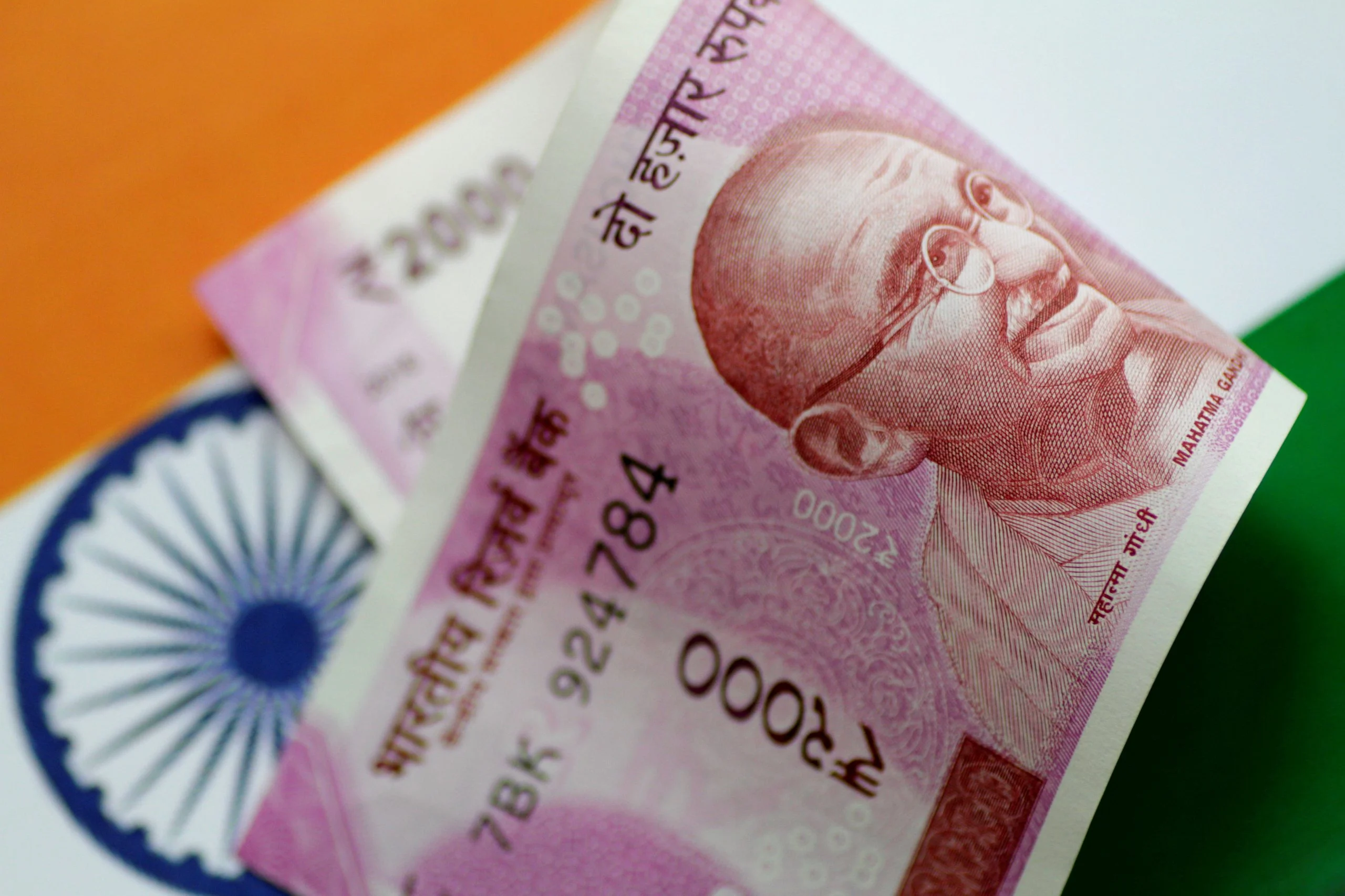
No journey is without obstacles. For India and Russia, the path is strewn with hurdles. From regulatory constraints to geopolitical scrutiny, every move is under the microscope. Russia’s limited appetite for Indian goods means the trade imbalance persists, accumulating more rupees. Moreover, converting large sums without affecting the exchange rate is a delicate task. There’s also the risk of secondary sanctions, as Western allies monitor circumvention of restrictions. The RBI must balance innovation with caution, ensuring that solutions don’t trigger unintended consequences. It’s a high-stakes game where financial ingenuity meets diplomatic finesse. Additionally, India’s domestic economic priorities, such as controlling inflation and maintaining forex reserves, complicate the calculus. The rupee’s non-convertibility on capital account restricts free movement, requiring creative structuring of transactions. Geopolitically, India walks a tightrope, maintaining ties with both Russia and the West, which means any mechanism must be transparent enough to avoid allegations of sanction-busting. These challenges aren’t insurmountable, but they demand nuanced policy-making and international dialogue. The RBI’s success will hinge on its ability to navigate this labyrinth, turning constraints into opportunities for financial innovation.
Future Prospects: What Lies on the Horizon?
As the RBI continues its exploration, the future holds promise. Enhanced digital payment systems, blockchain-based settlements, and broader trade pacts could offer seamless solutions. The recent expansion of BRICS adds another layer, with discussions on a common currency or alternative financial messaging systems. India’s G20 presidency has also highlighted the need for inclusive global economics. In this context, the rupee-Russia nexus could evolve into a blueprint for South-South cooperation. The key lies in sustained dialogue, innovative policy, and a shared vision for economic sovereignty. Looking ahead, we might see pilot projects for rupee usage in third countries, or special economic zones tailored for rupee transactions. Technological advancements, like central bank digital currencies (CBDCs), could accelerate this process by reducing transaction costs and increasing transparency. Moreover, as India’s economy grows, the rupee’s global footprint will naturally expand, making such initiatives more viable. The collaboration with Russia is thus a stepping stone toward a larger ambition: positioning the rupee as a regional reserve currency. This journey will be incremental, marked by trials and errors, but each step forward reinforces the idea that in a fragmented world, resilient partnerships are the currency of progress.
Conclusion: A New Chapter in Bilateral Synergy
The RBI’s efforts to find ways for Russia to use rupee reserves are more than a technical adjustment; they are a strategic maneuver in the great chessboard of international trade. By addressing this accumulation, India and Russia are not only solving a bilateral issue but also contributing to the narrative of resilient, multipolar economics. As the world grapples with fragmentation, such partnerships underscore the power of adaptation. The rupee, once confined to domestic shores, is now venturing into global currents, carried by the winds of change. And in this story, every step forward is a testament to the enduring spirit of collaboration between two nations determined to write their own rules. The journey is ongoing, with the RBI’s explorations lighting the way a beacon for others seeking to navigate the complex interplay of trade, currency, and geopolitics in the 21st century.