Crimea Under Siege: Ukraine’s Desperate Strategy to Isolate the Peninsula
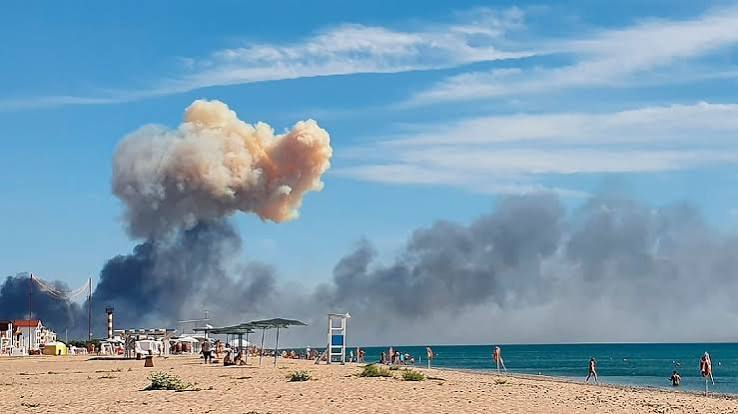
The sun sets over the Black Sea, casting long shadows across the Crimean coastline. But the serene image belies a reality that has slowly been unraveling. Power outages flicker like nervous heartbeats, rationing has become a grim routine, and the rumble of explosions near supply routes has become a near daily occurrence. For the people of Crimea, life under Russian control is no longer about occupation alone. It is about survival in a landscape being quietly starved.

Ukraine’s evolving strategy is not a sudden thunderclap but a slow, calculated tightening of a noose. It is a strategy born of desperation, a recognition that full scale ground offensives may be too costly, too uncertain. Instead, Kyiv has turned to a war of attrition aimed directly at the arteries that keep the Russian presence in Crimea alive. The goal is not merely to reclaim land but to make the cost of holding it so unbearably high that Moscow must reconsider its position.
The Quiet War: Power Outages and Rationing
The lights go out without warning. For residents of Simferopol and Sevastopol, this is the new normal. Ukraine has targeted energy infrastructure with precision, using long range drones and missile strikes to cripple power plants and substations. The result is a cascade of blackouts that disrupt everything from hospitals to bakeries. Rationing has followed, not just of electricity but of food and fuel. Grocery shelves grow sparse as supply trucks struggle to reach the peninsula. The daily grind is becoming a test of endurance.
This is not a random barrage of chaos. It is a systematic effort to dismantle the logistical backbone of the Russian military presence. Without reliable power, command and control becomes harder. Without fuel, convoys slow. Without consistent supplies, morale erodes. Ukraine is fighting a battle of patience, hoping that the internal pressure will eventually crack the Russian facade.
Attacks on Key Supply Routes
The Kerch Strait Bridge, that massive symbol of Russian ambition, has become a repeated target. Drone boats and missiles have struck it more than once, forcing repairs and constant vigilance. But the bridge is just one piece of a larger puzzle. Ukraine has also hit railway lines, highways, and ports that channel goods into Crimea. The aim is to sever the peninsula’s connection to mainland Russia, to turn it into an island under siege.
These attacks are not always successful. Russian air defenses have improved, and many drones are intercepted. Yet the cumulative effect is undeniable. Each strike forces Russia to divert resources to defense, to repair, to reroute. The cost of holding Crimea is climbing, and with it, the political calculus in Moscow grows more complicated.
Drones vs Ground Offensives: A Skeptical Military View
But can drones really do what tanks and infantry could not? Military experts remain deeply skeptical. Drones are powerful tools of harassment and attrition, but they cannot hold ground. They cannot liberate cities. They cannot establish a permanent presence. The war in Ukraine has shown that while drones can disrupt and destroy, they are not a substitute for the messy, bloody work of a ground offensive.
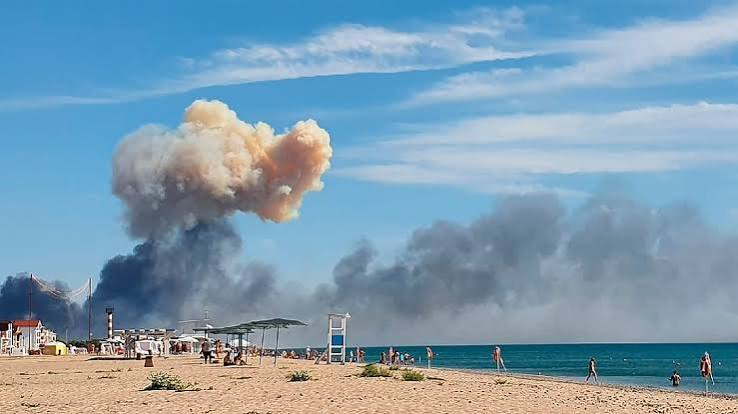
Some analysts argue that Ukraine’s drone campaign in Crimea is impressive but ultimately limited. It can make life miserable for Russian troops and civilians, but it cannot force a full withdrawal. Russia has shown remarkable resilience in adapting to new threats. Electronic warfare, decoys, and layered defenses have blunted many drone strikes. And as long as the Kerch Bridge stands, even partially, supplies will continue to flow.
The Human Cost: Daily Life in Crimea
Behind the military statistics are human stories. A mother in Yalta searching for diapers. A pensioner in Feodosia shivering through a winter night with no heat. A truck driver dodging drones on the highway to Armyansk. The siege is not just about territory; it is about endurance. The people of Crimea, many of whom welcomed Russian annexation in 2014, now find themselves caught in a grinding war that offers no easy escape.
Rationing has bred resentment. Power outages have fueled anger. And while Russian state media paints a picture of normalcy, the cracks are showing. Social media posts from inside Crimea tell a different story: of long lines, empty stores, and a growing sense of isolation. The Kremlin may control the narrative, but it cannot control the darkness that falls every evening.
Conclusion: A New Phase of the Conflict
Ukraine’s strategy for Crimea is a gamble. It is a bet that time and pressure will do what force could not. But wars are not won on bets alone. The drone campaign is a necessary component of a larger plan, but it is not a silver bullet. History is littered with sieges that broke the spirit of defenders, but also sieges that hardened resolve. Crimea remains a prize that Russia is unlikely to abandon willingly.
As the power outages continue and the supplies dwindle, one thing is clear: the battle for Crimea is no longer just about land. It is about whether a strategy of isolation can succeed where conventional offensives have faltered. The answer will shape not only the future of the peninsula but the entire trajectory of the war.