Mumbai Welcomes the World for the BRICS Friendship Cities Conclave 2026
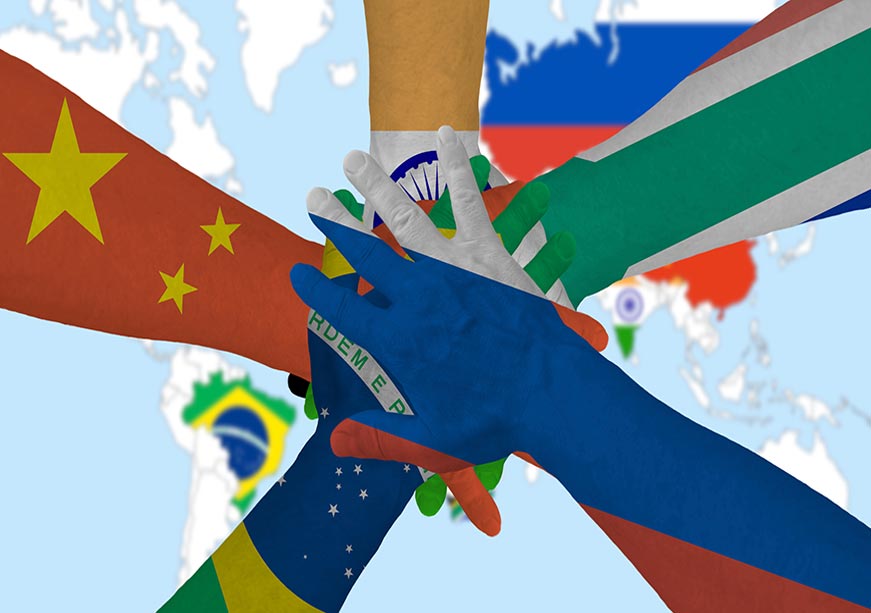
There is a rare kind of magic that happens when cities speak to one another not through borders but through shared dreams. Mumbai, a city that never sleeps, is preparing to host the BRICS Friendship Cities Conclave 2026 on August 11 and 12. This gathering will bring together urban leaders, policy makers, innovators, and dreamers from across the world. They will come with one purpose: to reshape the future of our cities with resilience and sustainability at the core.

Imagine walking through the bustling streets of Mumbai, where old colonial buildings stand beside glass towers, where the Arabian Sea kisses the shore, and where millions of stories unfold every single day. This city has always been a symbol of hope, hard work, and reinvention. It is fitting that Mumbai has been chosen as the stage for the BRICS Friendship Cities Conclave. The city embodies the very spirit of urban resilience. It faces the monsoon with courage, it grows despite limited space, and it thrives because of its people.
A Gathering of Global Minds
The BRICS Friendship Cities Conclave is not just another conference. It is a bridge between nations, a celebration of friendship between cities, and a serious working session on the future of urban living. The conclave will welcome mayors, municipal commissioners, urban planners, climate experts, business leaders, and representatives from civil society. They will exchange ideas, showcase successful projects, and build partnerships that can outlast the event itself.
This year, the focus is on resilient and sustainable urban development. The world has learned hard lessons from recent health crises, climate disasters, and rapid urbanization. Cities need to be stronger, greener, and more inclusive. The BRICS Friendship Cities Conclave will address these pressing challenges with real world solutions and bold visions.
The BRICS Friendship Cities Conclave is part of a larger movement to create closer ties between municipalities. It is based on the idea that cities are closer to the people than national governments. A mayor can fix a pothole, plant a tree, or open a library much faster than a distant ministry. By connecting cities, the conclave makes government more personal and more practical.

Why Mumbai Matters in This Conversation
Mumbai is not a perfect city. It struggles with crowded trains, heavy rain, and endless construction. But it is also a city that never gives up. When the streets flood, Mumbaikars help each other. When space is tight, people build upward and outward in creative ways. When opportunities seem scarce, the city still manages to produce dreamers who change the world. This is the kind of resilience that the conclave wants to study and celebrate.
Mumbai has also made serious strides in sustainability. From local train networks that move millions of people daily to the growing use of solar energy, from coastal road projects to urban forest initiatives, the city is trying to balance growth with nature. Hosting the BRICS Friendship Cities Conclave gives Mumbai a chance to showcase these efforts and learn from other cities that face similar problems.
Resilient Cities in a Changing World
What does it mean for a city to be resilient? It means being prepared for shocks and stresses. It means having hospitals that can handle emergencies, public transport that keeps moving, water systems that survive droughts, and communities that support each other during a crisis. The BRICS Friendship Cities Conclave will put these issues under the spotlight.
One of the major themes will be climate adaptation. Cities across the BRICS nations are feeling the heat of rising temperatures and unpredictable weather. Coastal cities like Mumbai are on the front line. The conclave will explore how to design buildings that stay cool, streets that absorb water, and energy systems that do not pollute.
Another theme will be affordable housing. Sustainable development must include every citizen. A city cannot be called great if only the rich can live comfortably. Leaders at the conclave will discuss policies that support affordable homes, safe neighborhoods, and dignified living for all.
Friendship as a Foundation
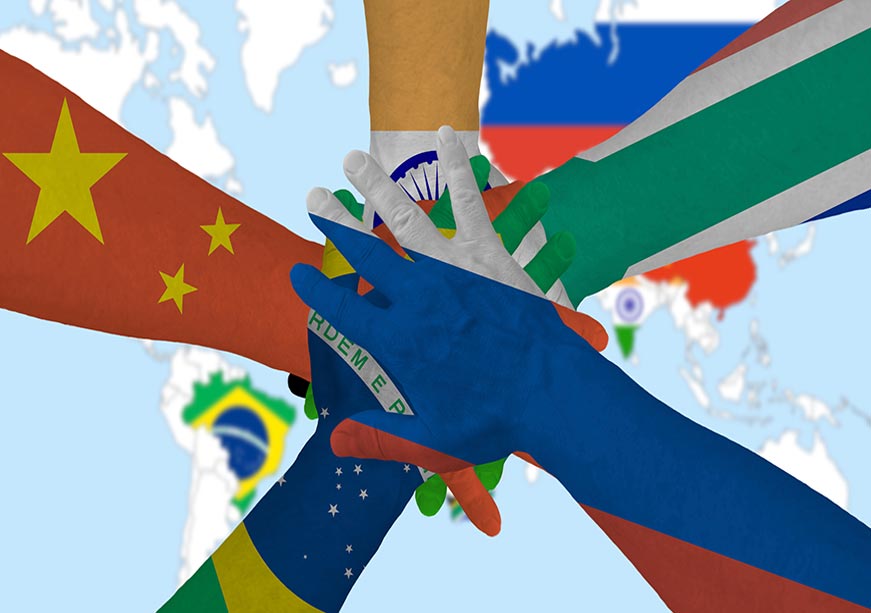
The word friendship in the title of the conclave is not decorative. It reminds us that international cooperation is built on trust and personal connections. The BRICS grouping includes Brazil, Russia, India, China, South Africa, and many new friends who have joined the circle. When their cities work together, they share more than just trade deals. They share culture, expertise, and mutual respect.
This city to city diplomacy is powerful. A mayor in one country can learn from a mayor in another country about flood management. A community leader can find inspiration from a program that succeeded halfway around the world. The BRICS Friendship Cities Conclave creates the space for these connections to grow.
Mumbai, as the host, will set the tone. Every delegate will experience the warmth of Indian hospitality. They will taste local food, hear multiple languages, and witness the vibrant spirit of a city that is both ancient and modern. This experience will stay with them long after the sessions end.
Sustainability in Action
Around the world, cities are experimenting with remarkable green solutions. Cape Town has faced severe drought and developed impressive water saving techniques. Shanghai is building vertical gardens and green roofs. Moscow is expanding its metro system and encouraging cycling. Sao Paulo is using data to fight traffic and pollution. Beijing has been battling air quality with strict regulations and renewable energy. Each of these experiences holds lessons for all of us. The BRICS Friendship Cities Conclave will create a platform where these lessons can be shared openly and honestly.
Mumbai has its own stories to tell. The local train network is one of the busiest commuter systems on the planet. It moves people efficiently and with a lower carbon footprint than private cars. The city is also working on waste to energy projects, coastal regeneration, and mangrove conservation. These efforts are not perfect, but they show a willingness to change. The conclave will give Mumbai a chance to show the world that even a crowded megacity can embrace sustainability.
Inclusive Growth and Community Power
Sustainable development cannot happen without inclusion. In many booming cities, poorer communities are pushed to the edges. They face insecure housing, lack of sanitation, and limited access to public services. The BRICS Friendship Cities Conclave will address these inequalities head on. Leaders will discuss participatory budgeting, community led housing, and the importance of listening to residents before making decisions.
There is also growing recognition that women and young people play a vital role in urban transformation. Cities that invest in safe public spaces, accessible education, and meaningful jobs for youth are more resilient in the long run. The conclave will highlight these priorities. It will feature voices from grassroots organizations, universities, and youth councils. This is not only about top down policy. It is about bottom up energy.
Technology and Innovation for Better Cities
Technology can be a powerful ally in the journey toward sustainability. Smart sensors can monitor air quality and traffic. Digital platforms can help citizens report potholes. Artificial intelligence can predict flood patterns and save lives. Renewable energy grids can power entire districts without fossil fuels. The BRICS Friendship Cities Conclave will showcase some of the most exciting innovations in urban management.
But technology alone is not enough. The human element matters just as much. A smart city is not truly smart if its citizens are unhappy or uninvolved. The conclave will therefore focus on human centered design. It will ask not just what technology can do, but what people actually need. This balance between innovation and empathy is central to the idea of resilient urban living.
What to Expect From the Conclave
The two day event will include keynote speeches, panel discussions, breakout sessions, and cultural performances. There will be plenty of opportunities for networking and informal conversations. Some of the most important decisions in history have been made over a cup of chai, and Mumbai is the perfect place for that kind of dialogue.
Leaders will sign agreements for cooperation in areas such as smart city technology, waste management, green transport, and youth engagement. There will also be a focus on data sharing and digital tools that can help cities respond faster to disasters. The conclave aims to produce not just papers and promises but actionable roadmaps.
One of the biggest challenges for sustainable cities is money. Green projects require investment. The conclave will explore creative ways to finance urban resilience. This includes green bonds, public private partnerships, and climate funds. It also includes simple ideas like planting more trees and building cycle lanes, which cost little but deliver great value.
A Legacy for Mumbai and Beyond
Hosting an international event of this scale is a statement of faith in Mumbai’s future. It tells the world that Mumbai is ready to lead. It also brings lasting benefits to the city, from improved infrastructure to international visibility. But the biggest legacy will be the ideas that take root.
Imagine a young architect from Mumbai listening to a planner from Brazil talk about green corridors. Imagine a municipal official from South Africa sharing a clever way to recycle water. Imagine a student volunteer learning about electric buses from a Chinese delegation. These small exchanges can spark big changes. The BRICS Friendship Cities Conclave is a garden where such seeds are planted.
The impact of the conclave should not be measured only by signing ceremonies. It will succeed if it changes the way people think about their city. Every Mumbaikar can play a part in this vision by keeping neighborhoods clean, conserving water, using public transport, and supporting local businesses. Urban resilience is a daily practice, not just a conference theme.
Conclusion
Mumbai has always been a city of dreams. In August 2026, it will also be a city of dialogue. As global leaders gather under the banner of friendship, they will carry with them the hopes of millions of urban residents. The conversations held in Mumbai will echo far beyond the conference halls. They will influence policies, inspire communities, and shape the skyline of our shared future.
The BRICS Friendship Cities Conclave is more than an event. It is a movement towards a world where cities are not just places we live in but places we love, protect, and grow together. Mumbai is ready. The world is watching. And the future is being written one conversation at a time.