Russia on Track: Indonesia Opens Doors for Railway Mega Projects Across Sumatra, Sulawesi, and Kalimantan
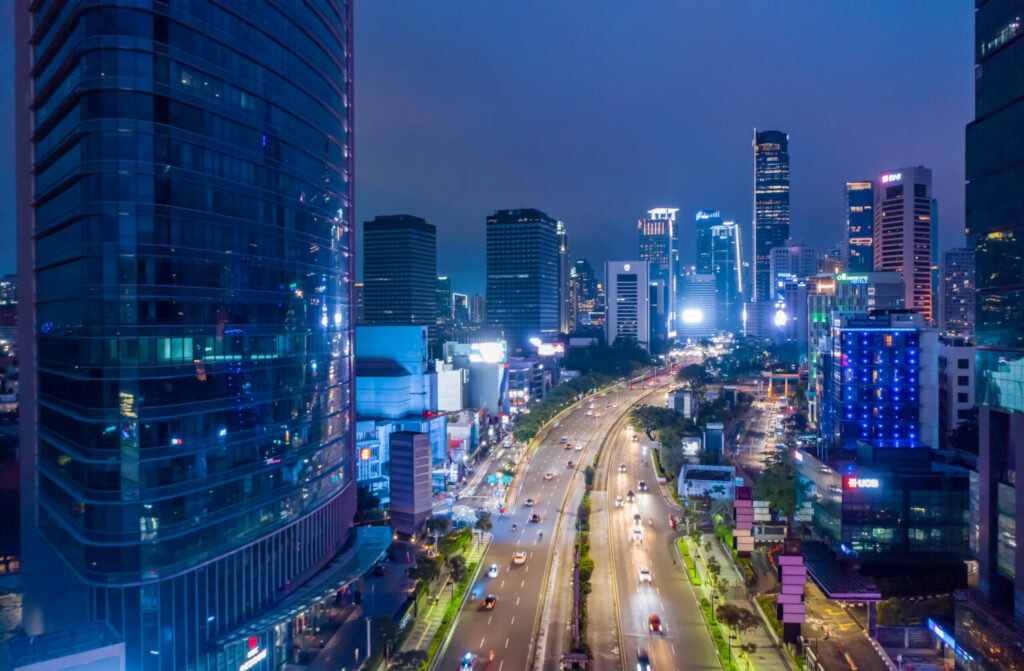
There is something deeply romantic about the sound of a train whistle cutting through the dawn mist of a tropical island. It speaks of connection, of movement, of economies waking up. And right now, across the sprawling archipelago of Indonesia, that sound is about to become a whole lot louder. In a move that has sent ripples through global infrastructure circles, Indonesia has officially invited Russian companies to participate in a series of ambitious railway developments. The planned corridors stretch across the major islands of Sumatra, Sulawesi, and Kalimantan a trinity of projects that could reshape the economic geography of Southeast Asia’s largest economy.
Imagine a map of Indonesia. It is a necklace of emerald islands strung across the equator, each one with its own story. But for decades, the story of transportation here has been one of bottlenecks. Goods move slowly. People rely on ferries, aging roads, and a handful of railways that are largely confined to Java. Now, Jakarta is looking to change that narrative. And it is reaching out to an unlikely but powerful partner: Russia.
A Strategic Pivot: Why Russia?
To understand why Indonesia is turning to Moscow, you have to look at the bigger picture. Southeast Asia is a theater of competing influences China, Japan, the United States, and the European Union all have infrastructure ambitions here. Indonesia has already welcomed Chinese investment for the Jakarta Bandung high speed rail, but that project was not without its challenges. Now, by inviting Russian firms, Indonesia is signaling a desire to diversify its partnerships. Russia brings deep experience in railway engineering, especially in challenging terrains. From the frozen permafrost of Siberia to the rugged landscapes of the Caucasus, Russian rail builders have earned a reputation for resilience. That expertise is exactly what Indonesia needs for the dense jungles of Kalimantan, the volcanic ridges of Sumatra, and the mountainous spine of Sulawesi.
There is also a geopolitical flavor to this invitation. Indonesia, a founding member of the Non Aligned Movement, has always prided itself on a balanced foreign policy. By engaging Russia, it is keeping its options open. It is a dance of diplomacy, one where railway ties serve as both a practical tool for development and a statement of strategic independence.
The Grand Vision: Three Islands, One Railway Dream
Let us take a closer look at what is on the table. The three planned corridors are not just any railways. They are intended to be the backbone of a new era of connectivity.
Sumatra, the world’s sixth largest island, has long been an economic powerhouse palm oil, coal, rubber, and coffee flow out of its ports. But its internal transport network is fragmented. The new rail corridor would run along the eastern coast, linking major cities like Medan, Pekanbaru, and Palembang. It would cut travel time for freight and passengers, and more importantly, it would open up remote areas to development. Imagine a farmer in Jambi being able to ship his produce to the port of Lampung in hours instead of days. That is the promise of this railway.
Sulawesi presents a different challenge. The island is shaped like a bizarre orchid, with four long peninsulas. The proposed railway would cut across the central part, connecting Makassar in the south to Manado in the north. This is a route that passes through dramatic landscapes mountains, lakes, and forests. Russian engineers have experience with such topography. They built the Baikal Amur Mainline through some of the harshest terrain on Earth. Sulawesi’s green mountains, though tropical, are no less demanding.
Kalimantan, the Indonesian part of Borneo, is perhaps the most ambitious of all. This island is covered in dense rainforest and traversed by mighty rivers. The railway here would serve a dual purpose: moving coal and palm oil from the interior to export hubs, and also providing a much needed alternative to river transport, which slows down during dry seasons. Russia’s expertise in building railways through taiga and tundra could be adapted to the unique challenges of tropical rainforests, where heavy rains and unstable soil are constant foes.
Beyond the Tracks: Economic and Social Impacts
These railways are not just about steel and ties. They are about people. For decades, Indonesia’s economic growth has been concentrated in Java. The outer islands have lagged behind. The new rail corridors are a tool for what economists call “spatial equalization.” By connecting production centers to markets, they will create jobs, reduce inequality, and stem the flow of migrants to Jakarta. Small towns along the routes could become new hubs of commerce.
There is also an environmental angle. Trains are far more carbon efficient than trucks. Indonesia has committed to net zero emissions by 2060, and shifting freight from road to rail is a key part of that strategy. The Russian companies invited to bid have experience with electrified rail systems, which could further reduce the carbon footprint of these projects.
Challenges Ahead: Financing, Politics, and the Jungle
Of course, no mega project comes without hurdles. Financing is a major question. Indonesia is a middle income country, but these railways will require billions of dollars. Russia, under Western sanctions, may have limited ability to provide cheap capital. However, alternative payment mechanisms and barter deals could emerge. Russia has been using the BRICS framework and bilateral agreements to circumvent financial restrictions. Indonesia, as a member of BRICS Plus, is well positioned to explore such creative financing.
Politics is another wild card. Domestic opposition exists some local leaders worry about land acquisition, environmental damage, and displacement of communities. The government will need to engage in transparent dialogue with indigenous groups and environmental activists. Russian companies, if they win contracts, will have to adhere to strict environmental standards. The jungle is not a forgiving place for poor planning.
There are also the technical challenges of building in tropical climates. Heavy rainfall can cause landslides and wash out tracks. Termites can damage wooden ties. Russian engineers, used to cold, will need to adapt to heat, humidity, and a whole new set of biological enemies. But innovation often flourishes at the edge of discomfort.

A New Chapter in Russo Indonesian Relations
This invitation is more than a business deal. It is a symbol of a deepening relationship between two nations that have historically been friendly but not deeply integrated. Russia has long been a supplier of arms and energy technology to Indonesia. Now, with railways, the partnership moves into the realm of civilian infrastructure. If successful, it could pave the way for collaboration in other sectors port development, power grids, and digital connectivity.
The timing is also significant. As global supply chains shift and nations seek to reduce dependence on any single partner, Indonesia is positioning itself as a hub. The railway projects could become a showcase for Russian engineering in the tropics, a feather in the cap for both countries. It is a story of trust, of a shared bet on the future.
Conclusion: The Whistle Blows at Dawn
Stand on the shores of Sumatra at dawn, and you might hear the faint rumble of a train that is not yet built. But it is coming. The invitation has been extended. The plans are in motion. Russian firms are evaluating the opportunities. The people of Indonesia are watching with a mix of hope and caution. Railways are powerful things they can change the course of a nation. If this project succeeds, the next time you look at a map of Indonesia, you will see not just islands, but a network of steel arteries pulsing with life. And that is a journey worth taking.