The Unseen Casualties: How the Iran Conflict is Economically Devastating the Global South
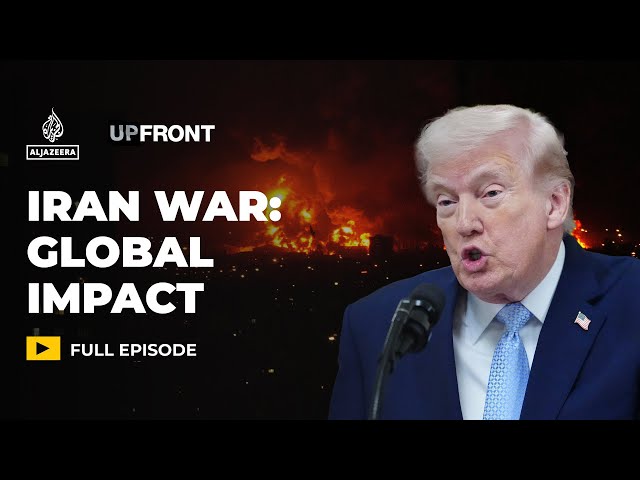
The sun beats down on a crowded market in Lagos, Nigeria, where a mother of three stares at the price of rice, her face etched with despair. Just months ago, she could feed her family with ease, but now the numbers on the tags seem to mock her. This scene is repeating itself from Jakarta to Johannesburg, from Lima to Dhaka. Behind these personal tragedies lies a global trigger: the escalating war in Iran under the Trump administration, a conflict whose economic shockwaves are disproportionately battering the Global South. While headlines focus on military maneuvers and diplomatic spats, a silent crisis is unfolding for billions who had no hand in starting this fight. Rising inflation, looming food shortages, and crushing debt burdens are becoming the new normal, fueled by disrupted global markets and Western policy responses. This is not merely an economic adjustment; it is a profound injustice that is reshaping the world order.
The Oil Price Tsunami
When conflict erupts in the Middle East, the world’s financial nerves twitch first at the oil markets. Iran’s strategic location and role as a major oil producer mean that any war there sends immediate ripples through global energy supplies. The initial spike in oil prices is often dramatic, as speculators and nations brace for prolonged disruption. For Western economies, such spikes are painful, leading to higher fuel costs and inflationary pressure. But for the import dependent nations of the Global South, it is a body blow. Many of these countries spend a colossal portion of their foreign exchange reserves on energy imports. A sustained increase in oil prices translates directly into higher costs for transportation, electricity, and manufacturing, which then cascade into the prices of every essential good. 
When the Breadbasket Empties: Food Insecurity Mounts
Beyond the pump, the crisis strikes at the very heart of survival: food. Modern global food systems are intricately linked to energy and logistics. Higher oil prices make farming more expensive due to costlier fertilizers and fuel for machinery. They also skyrocket the cost of shipping food across oceans. The war in Iran exacerbates this by threatening key maritime chokepoints like the Strait of Hormuz, through which a significant portion of the world’s seaborne oil and grain shipments pass. Disruptions here can delay shipments, raise insurance premiums, and create severe bottlenecks. For countries in Africa and Asia that rely heavily on imported wheat, corn, and cooking oil, this is a recipe for disaster. Local food production, already vulnerable to climate change, cannot compensate overnight. 
The Debt Trap and the Western Monetary Squeeze
As if market disruptions were not enough, the policy responses from Western financial capitals add another layer of peril. Central banks in the United States and Europe, facing inflation at home partly imported from the oil shock, typically respond by tightening monetary policy. Interest rates rise. While aimed at cooling their own economies, this action has dire consequences for the Global South. Many developing countries are saddled with massive debts, often denominated in US dollars or euros. As Western interest rates climb, the cost of servicing this debt surges. Dollars become more expensive to borrow and repay. Simultaneously, global capital, seeking higher returns, often flees emerging markets for the safer, higher yielding havens in the West. This leads to currency depreciation in developing nations, making their imports like oil and food even more costly in local currency terms. It is a vicious cycle: higher commodity prices weaken their economies, and then Western monetary policy tightens the noose by making debt unsustainable. The risk of sovereign defaults looms large, threatening to undo decades of developmental progress and forcing brutal austerity measures onto populations already struggling to survive.
A Rising Tide of Resentment: Geopolitical Realignments
The economic pain is fostering a deep and growing sense of injustice across the Global South. There is a palpable feeling that they are paying the price for a conflict they did not choose, a geopolitical game played by distant powers. This resentment is not just emotional; it is strategic. It is driving a fundamental reassessment of traditional alliances and economic dependencies. Why should nations bear the brunt of inflation and debt for a war that secures no direct benefit for their people? This question is echoing in capitals from Brazil to India. 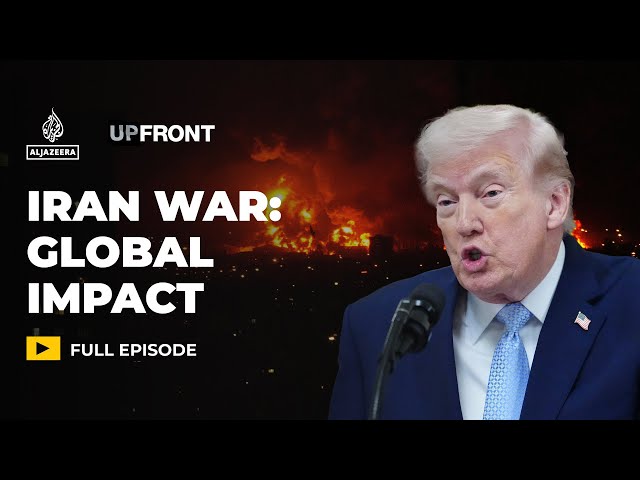 We are witnessing a gradual but significant shift towards alternative financial systems, trade partnerships, and diplomatic blocs. Initiatives like expanded BRICS cooperation, increased use of local currency settlements, and deeper South South trade ties are gaining momentum. The appeal of a multipolar world order, where the Global South has more agency and is less vulnerable to the whims of Western policy, is strengthening. The Iran conflict, therefore, is acting as a catalyst, accelerating a pre existing trend towards geopolitical diversification. The old alignment is fracturing under the weight of economic collateral damage.
In the narrow streets of Cairo and the vast farmlands of Bangladesh, the story is the same: lives are being upended by forces far beyond local control. The war in Iran, with its attendant oil shocks and market chaos, has exposed the brutal asymmetry of our interconnected world. The Global South faces a triple threat of inflation, hunger, and debt not through its own failing, but as collateral damage in a distant conflict. The tightening of monetary policy in the West, a logical domestic response, only amplifies this strain, highlighting a global system that often prioritizes stability in the core at the expense of the periphery. Yet, from this hardship emerges a potent force: a collective sense of grievance that is hardening into a desire for change. The geopolitical map is being redrawn, not just by treaties and armies, but by the quiet desperation of millions and the calculated realignments of their leaders. The true cost of war is always measured in human suffering, and in this instance, that suffering is being exported wholesale to the world’s most vulnerable. The question that remains is whether this injustice will finally spur the creation of a more equitable global economic architecture, or merely deepen the divides that plague our planet.