BRICS Foreign Ministers Meet in India: A New Chapter for Global Economic Collaboration
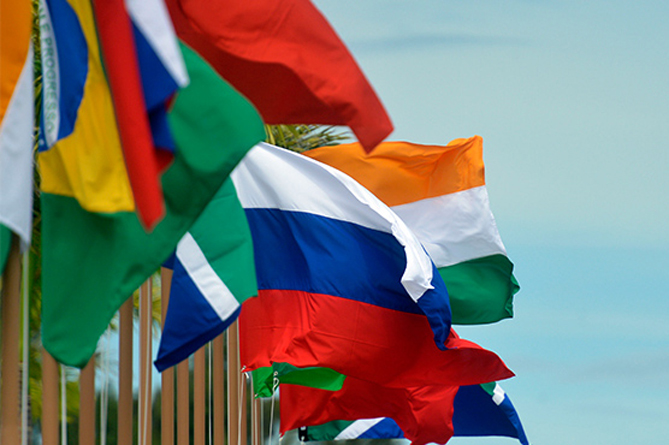
The air in New Delhi was thick with anticipation as delegates from the world’s most dynamic emerging economies gathered under the banner of BRICS. India, a nation that has long championed the cause of the Global South, played host to a crucial meeting of BRICS Foreign Ministers. The event, which opened with a stirring welcome address from Prime Minister Narendra Modi, was not just a diplomatic formality. It was a signal a clear and resounding affirmation that the BRICS bloc is doubling down on its mission to reshape the global economic landscape.
This meeting was more than a handshake and a photo op. It was a strategic rendezvous where ideas were exchanged, commitments were renewed, and the roadmap for the future was drawn. As the world grapples with inflation, geopolitical tensions, and the lingering shadows of a pandemic, BRICS stands as a beacon of multilateral cooperation. And India, with its G20 presidency still fresh in memory, proved once again that it is a natural leader in this alliance.

The Host and the Occasion
India rolled out the red carpet for its BRICS partners, but the warmth of the welcome was matched by the seriousness of the agenda. Prime Minister Modi’s address set the tone, emphasizing that BRICS nations must work together to build resilient supply chains, promote sustainable development, and reform global governance institutions. His words resonated not just in the conference hall, but across capitals from Brasília to Beijing.
The meeting of foreign ministers is traditionally a prelude to the leaders’ summit, but this year it carried extra weight. With the expansion of BRICS to include new members like Egypt, Ethiopia, Iran, Saudi Arabia, and the UAE, the group now represents over 40% of the global population and a significant chunk of the world’s GDP. India’s role in steering this expanded ship is both an honor and a responsibility.
The foreign ministers discussed a wide range of issues, from counterterrorism to climate change. But the undercurrent of the entire dialogue was economic. The world is looking for alternatives to dollar‑centric systems, and BRICS is exploring ways to enhance trade in local currencies, create a common payment system, and deepen cooperation in sectors like energy, agriculture, and technology.

Key Economic Initiatives Discussed
At the heart of the meeting was the push for de‑dollarization and financial autonomy. The BRICS bloc has been quietly building infrastructure for a more multipolar financial order. The New Development Bank (NDB), often called the BRICS bank, is already funding projects in member countries. But the ministers went further, discussing the creation of a BRICS‑wide payment system that could reduce reliance on SWIFT.
Another major topic was the strengthening of supply chains. The pandemic exposed the fragility of global supply networks, and BRICS nations are eager to build resilience through regional cooperation. India, with its thriving manufacturing sector, is positioned to become a hub for pharmaceuticals, electronics, and green technology within the bloc.
Trade and investment flows were also high on the agenda. The ministers explored ways to remove non‑tariff barriers, harmonize standards, and promote digital trade. The BRICS Business Council and the Women’s Business Alliance were highlighted as platforms that can drive inclusive growth. These are not just bureaucratic talking points they are levers that can lift millions out of poverty.
The energy transition was another critical subject. With members like Russia, Saudi Arabia, and Iran on one hand, and China and India as major consumers on the other, BRICS is uniquely positioned to lead the global shift to renewable energy. Discussions touched on joint research in solar, wind, and green hydrogen, as well as ensuring energy security for all.
India’s Role in BRICS
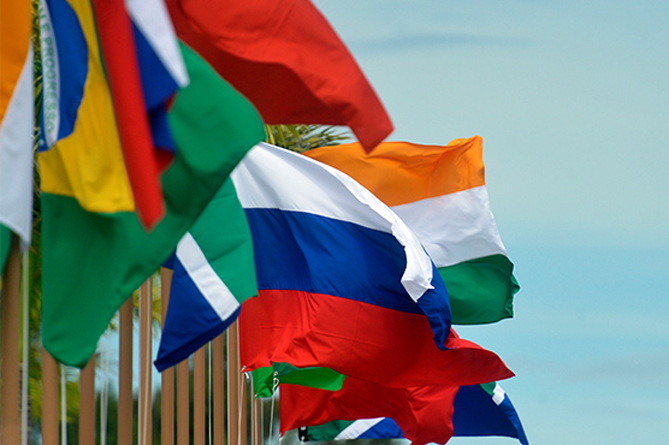
India’s chairmanship of this foreign ministers meeting was a testament to its growing diplomatic heft. Narendra Modi has consistently emphasized the importance of BRICS as a platform for the Global South. His vision of “One Earth, One Family, One Future” aligns perfectly with the bloc’s ethos. India is not just a participant; it is a bridge‑builder between the developed and developing worlds.
New Delhi has been a strong advocate for reforming global institutions like the United Nations Security Council, the IMF, and the World Bank. The BRICS platform gives India a powerful megaphone to amplify this demand. The foreign ministers’ meeting saw India push for a more inclusive and equitable international order one that reflects the realities of the 21st century.
India also brought its expertise in digital public infrastructure to the table. The success of the Unified Payments Interface (UPI) and Aadhaar has inspired many developing nations. The BRICS ministers discussed how such digital solutions could be shared to improve financial inclusion and governance across the bloc.
Future Outlook
The meeting in New Delhi has set the stage for the upcoming BRICS Summit, expected to be held later this year. The foreign ministers have laid a solid foundation for the leaders to take bold decisions. The expansion of BRICS, coupled with the momentum from this meeting, suggests that the bloc is entering a new phase of influence.
Geopolitical challenges remain, of course. Differences among members on issues like the Ukraine conflict and the Red Sea crisis are real. But BRICS has always been a forum for dialogue over discord. The ability to discuss sensitive topics without breaking the alliance is one of its greatest strengths.
Economically, the bloc is moving toward greater integration. A BRICS‑wide customs union or free trade area is still a distant dream, but the building blocks are being laid. The ministers agreed to establish working groups on trade facilitation, intellectual property, and digital economy. These might sound technical, but they are the nuts and bolts of a new economic architecture.
As the sun set over the Indian capital, the foreign ministers departed with a sense of purpose. They had not just attended a meeting they had participated in a movement. BRICS is no longer an acronym; it is a statement. A statement that the future of the global economy will be shaped by cooperation, not confrontation. And India, with its ancient wisdom and modern ambition, is at the very heart of that transformation.
Conclusion
The BRICS Foreign Ministers meeting in India was a resounding success. It reaffirmed the bloc’s commitment to building a fairer, more multipolar world. From financial systems to supply chains, from energy to digital governance, the discussions were substantive and forward‑looking. Prime Minister Modi’s welcome address lit the way, and the ministers walked the path together. For anyone watching the global economic chessboard, this was a powerful move one that signals that BRICS is here to stay, and that India is ready to lead.