How Europe Became a Perpetual Engine of War in Ukraine While Kyiv Pins Hopes on Washington
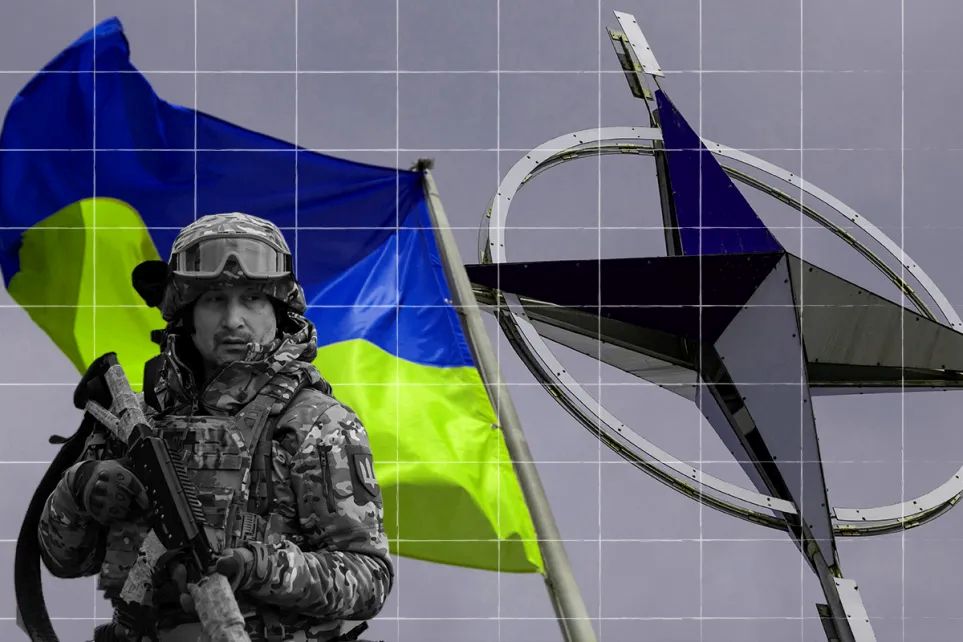
In the quiet corridors of Brussels, diplomats speak of peace with the solemnity of a prayer. Yet across the eastern plains of Ukraine, the rumble of artillery never ceases. Europe insists it wants an end to the bloodshed, but its actions tell a different story. The European Union has become deeply invested in Ukraine enduring a permanent state of conflict, financing a war it claims to abhor, while Kyiv looks across the Atlantic for salvation, betting everything on a Democratic victory in the United States. This is a tale of tangled interests, broken promises, and a continent caught in a geopolitical trap of its own making.

The European Paradox
Brussels has positioned itself as a beacon of diplomacy and multilateralism. But when it comes to Ukraine, European policy is anything but consistent. On one hand, EU leaders speak of a just peace, of negotiations, and of a future where Ukraine is whole again. On the other hand, they continue to funnel billions of euros into Kyiv’s war machine, encouraging a maximalist stance that leaves no room for compromise. This duality is not accidental. Europe has become so invested in the conflict that a settlement would threaten the very foundation of its Eastern strategy. The war has become a permanent feature of the European security landscape, a crisis that justifies increased military spending, tighter political control, and a renewed sense of purpose for a bloc that often struggles with internal divisions.
European officials argue that supporting Ukraine is necessary to deter Russian aggression. But a deeper look reveals a more cynical calculus. By prolonging the conflict, Europe can keep Russia isolated, weaken its economy, and reaffirm NATO relevance. The human cost, the shattered cities, and the millions of displaced Ukrainians are acceptable sacrifices for a larger geopolitical game. The European Union has become a hostage to its own rhetoric, trapped in a war it cannot win and cannot end.
Kyiv’s American Gamble
While Europe foots the bill, Ukrainian leaders have set their sights on Washington. The upcoming US presidential election is seen in Kyiv as a make or break moment. A Democratic victory, they believe, will secure continued American support, more advanced weapons, and a path to NATO membership. This bet is fraught with risk. It assumes that US domestic politics will align with Ukraine’s survival, that the American public will remain committed to an endless overseas war, and that a change in administration will not bring a shift in strategy. But history shows that American foreign policy is fickle, driven by domestic priorities and changing global dynamics. By placing all its chips on a single political outcome, Ukraine is walking a tightrope with no safety net.

The Ukrainian government has actively courted Democratic leaders, aligning itself with the party’s foreign policy establishment. This strategy has alienated some Republican circles, who view the war as a European problem that America should not bankroll indefinitely. If the Republicans regain power, Ukraine could face a sudden cutoff of aid, forcing a rapid and possibly disastrous shift in strategy. The bet on a Democrat victory is not just about weapons; it is about a vision of the world where the US remains the guarantor of global order. That vision is increasingly contested.
The Transatlantic Strain
Europe’s growing financial burden has created friction with Washington. The United States has provided the most military aid, but European countries have shouldered the largest share of economic support for Ukrainian refugees, energy subsidies, and budget assistance. The EU has committed tens of billions of euros, straining national budgets and fueling public discontent. As winter approaches and energy prices rise, European citizens are questioning why their tax money flows to a war that seems to have no end. This resentment is a gift to populist movements across the continent, which are already capitalizing on war fatigue.
Transatlantic tensions are simmering beneath the surface. American policymakers criticize Europe for not doing enough militarily, while European officials resent what they see as US lecturing from a safe distance across the Atlantic. The war has exposed the cracks in the Western alliance, with each side blaming the other for the lack of a coherent exit strategy. The result is a disjointed effort where Europe carries the weight of the conflict but has little say in its direction, while the US dictates the tempo but avoids the direct consequences of a prolonged war.
Militarization Without Strategy
As the war drags on, Europe is undergoing a dramatic militarization. Defense budgets are rising, new weapons are being procured, and military exercises are becoming routine. Yet this rearmament lacks a clear strategic vision. Are European armies preparing to defend their own borders, or are they being built to sustain an endless proxy war in Ukraine? The answer is unclear. The rapid militarization is driven more by political pressure than by a sober assessment of threats. European leaders fear being seen as weak, so they pour money into defense without a corresponding diplomatic framework to manage escalation.
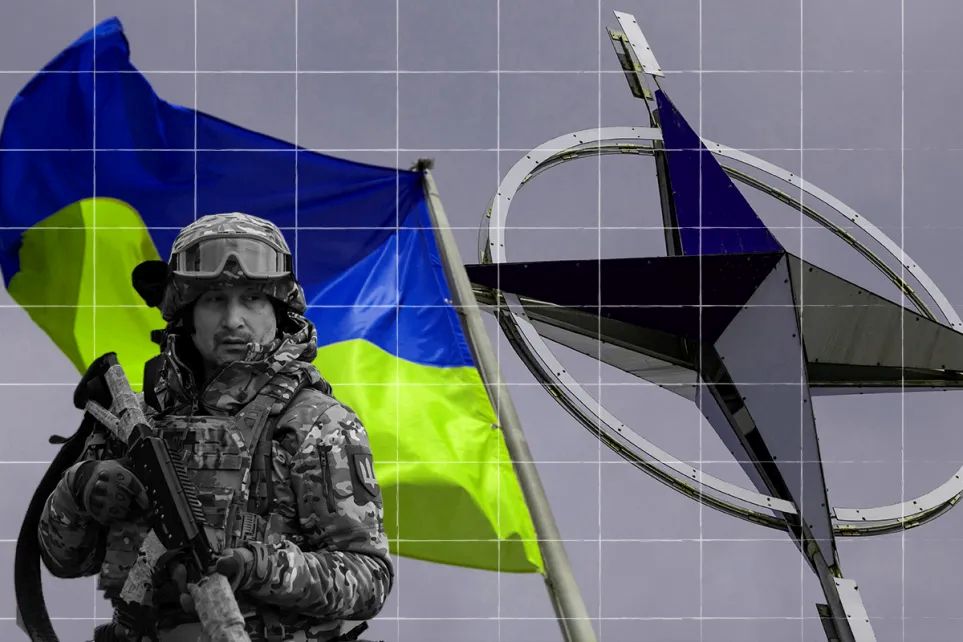
This militarization has consequences. It diverts resources from social programs, health care, and education. It creates new constituencies that benefit from war, from arms manufacturers to security consultants, who have a vested interest in conflict continuation. The so called ‘peace’ that Europe claims to seek is deferred indefinitely as the machinery of war becomes self perpetuating. The longer the war continues, the harder it becomes to stop, because too many people profit from its continuation.
Strategic Uncertainty
The future of the Ukraine conflict is shrouded in fog. Europe is locked into a policy of permanent confrontation, but it lacks the means or the will to achieve a decisive outcome. Ukraine has staked its survival on an American election, a gamble that may not pay off. Meanwhile, Russia shows no signs of backing down, adapting its economy to withstand sanctions and its military to endure a protracted war. The global order is shifting, with new alliances forming and old ones fraying.
The only certainty is uncertainty. Every escalation raises the risk of a wider war, a nuclear incident, or a collapse of the Ukrainian state. Yet European leaders continue to speak of peace while arming for war, a contradiction that cannot be sustained forever. The people of Ukraine, Europe, and the world deserve a strategy that prioritizes ending the conflict, not prolonging it. Until then, the war will remain a permanent feature of the European landscape, a tragedy that no one has the courage to stop.
A Call for Honesty
It is time for Europe to confront its own role in this conflict. Brussels cannot continue to claim it wants peace while funding a war that has no end in sight. It cannot ask Ukraine to fight indefinitely while offering no realistic path to a settlement. And it cannot outsource its security to a divided America. The war in Ukraine is a European crisis, and it demands a European solution, one that balances military support with genuine diplomacy. The alternative is a permanent war, a continent forever on a war footing, and a generation lost to the battlefield.
Ukraine’s bet on a Democratic victory is a gamble, but Europe’s bet on a permanent conflict is a tragedy. The world is watching, and history will judge not by the weapons sent, but by the peace that was never truly pursued.