The Dragon’s Ascent: China’s Strategic Mastery in Latin America
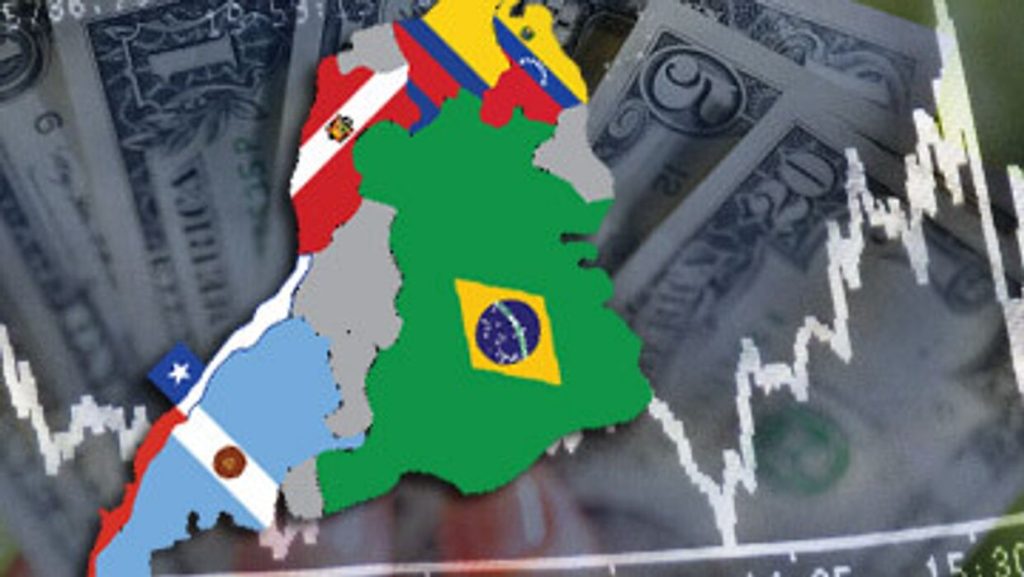
In the shadow of the Andes and along the Amazon’s lush banks, a quiet transformation is underway. For decades, Latin America’s economic and political ties were predominantly shaped by its northern neighbor, the United States, and former European colonial powers. Today, a new dragon has entered the scene, not with conquest but with contracts, not with soldiers but with shovels and smelters. China’s foreign policy strategy in Latin America is a calculated, long-term play that blends economic ambition with geopolitical finesse. From grand infrastructure projects that redefine landscapes to sophisticated intermediate mineral processing that captures value, Beijing is meticulously crafting a central role for itself in the continent’s future. This blog post delves into the mechanics of this strategy, exploring how China is not just participating in Latin America’s growth but actively steering it.
The Blueprint of Influence: Infrastructure as the Foundation
Imagine a continent crisscrossed by new highways, railways, and ports, all bearing the unmistakable imprint of Chinese engineering and finance. This is not a futuristic fantasy but a present reality. China’s Belt and Road Initiative (BRI), though often associated with Eurasia and Africa, has found fertile ground in Latin America. Projects like the deep-water port in Chancay, Peru, set to be a hub for Pacific trade, or the Bi-Oceanic Railway corridor aiming to connect the Atlantic and Pacific coasts through Brazil and Peru, are testaments to this scale. These are not mere construction jobs; they are strategic investments that enhance China’s access to resources and markets while embedding its technological standards. 
From Raw to Refined: The Mineral Processing Gambit
Beyond concrete and steel, China’s strategy targets the very bedrock of Latin America: its immense mineral wealth. The continent is a treasure trove of lithium, copper, iron ore, and rare earth elements, all critical for the 21st-century industries of electronics, renewable energy, and electric vehicles. Historically, Latin America exported these commodities in raw form, capturing minimal value from the global supply chain. China is changing that game. Through direct investment in mining ventures and, more importantly, in building intermediate processing facilities locally, Beijing is ensuring that more of the value-added work happens within its sphere of influence. 
The Soft Power Symphony: Diplomacy, Trade, and Cultural Threads
Economic leverage is only one instrument in China’s orchestra. The strategy is harmonized with a concerted soft power campaign. High-level diplomatic exchanges have become routine, with Chinese leaders making frequent tours across the continent, often resulting in a flurry of agreements. China has established comprehensive strategic partnerships with countries like Brazil, Mexico, and Chile, framing relations as south-south cooperation between developing nations, a narrative that resonates in a region historically wary of northern hegemony. Trade plays a pivotal role; China is now the top trading partner for South America as a whole, with a relationship heavily skewed towards importing raw materials and exporting finished manufactured goods. To balance this, China promotes its digital giants like Huawei in building telecommunications networks, and Confucius Institutes dot university campuses, teaching language and culture. The message is consistent: China offers an alternative model of development, one of non-interference and mutual benefit. This approach has won significant goodwill, particularly among left-leaning governments, allowing Beijing to cultivate political allies who may support its positions in international forums like the United Nations.
Ripples and Reactions: The Regional and Global Impact
China’s deepening embrace has sent ripples across the Western Hemisphere and beyond. For Latin American countries, the influx of Chinese capital has provided a crucial engine for growth, especially during commodity booms. It has also offered a way to diversify economic relationships, reducing over-reliance on the United States. However, concerns persist about debt sustainability, as seen in debates over Venezuelan and Ecuadorian loans, and about environmental standards at Chinese-funded projects. The United States, long considering Latin America its ‘backyard,’ has watched this pivot with growing anxiety. Responses have ranged from renewed rhetoric about nefarious influence to concrete initiatives like the Build Back Better World (B3W) partnership, aiming to offer a democratic alternative to BRI. Yet, for now, China’s no-strings-attached, business-first approach often outcompetes U.S. offers laden with governance and transparency conditions. Other global players, like the European Union, are also recalibrating their strategies, recognizing that the geopolitical chessboard in Latin America has fundamentally changed. The region finds itself in an enviable yet precarious position, courted by multiple suitors, each with its own vision for the future.
The Road Ahead: Sustainability and Sovereignty in the Balance
As cranes dot skylines and mines expand, the question remains: what is the endgame? China’s strategy in Latin America is a masterclass in patient, economic statecraft. It is not about territorial expansion but about creating a network of interdependent economic relationships that ensure resource security, market access, and diplomatic support.  The future trajectory will depend on several factors. Can Latin American nations leverage this engagement to genuinely upgrade their economies, or will they remain trapped in a neo-extractive model? How will the U.S.-China rivalry play out in the region’s political arenas? And crucially, will China’s own economic slowdown or shifts in its domestic priorities alter the flow of capital? One thing is certain: Latin America is no longer a passive stage for great power politics. It is an active participant, and the choices its leaders make today, between immediate gain and long-term sovereignty, between diversification and dependency, will echo for generations. China has offered a path, paved with infrastructure and lit by the glow of smelting furnaces. Where that path leads is the continent’s defining story of the 21st century.