The Dollar’s Final Frontier: UAE’s Bold Gambit to Redefine Oil Trade
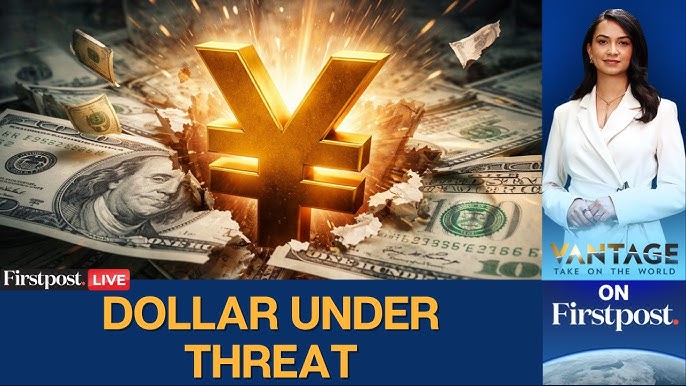
Imagine a world where the black gold that fuels our economies no longer flows through the veins of the US dollar. For over half a century, this scenario was unthinkable, a bedrock principle of global finance. Yet, today, that bedrock is cracking. The United Arab Emirates, a linchpin of the OPEC coalition, is quietly orchestrating a financial revolution: a plan to de-dollarize its oil market. This isn’t just an economic adjustment; it’s a geopolitical earthquake, one so potent that the United States has reportedly labeled it a ‘threat.’ The era of the petrodollar’s unchallenged reign may be entering its twilight. This blog post will journey through the origins of this system, unravel the UAE’s daring motivations, and map the turbulent future that awaits us all.

The Invisible Empire: How the Petrodollar Built Modern Geopolitics
The story begins in the smoke-filled rooms of the 1970s. In the wake of the oil crisis and the collapse of the Bretton Woods system, the United States struck a series of fateful deals with Saudi Arabia. The essence was simple yet profound: Saudi Arabia would price its oil exclusively in US dollars and recycle its surplus petrodollars into US Treasury securities and Western assets. In return, it received American military protection and political support. This ‘petrodollar recycling’ mechanism swiftly became the template for the entire Gulf region, including the UAE. Overnight, the dollar was no longer just a currency; it became the mandatory lifeblood of global energy trade. Every nation needing oil had to stockpile dollars, cementing its status as the world’s reserve currency. This granted the US extraordinary privileges the ability to run vast deficits, wield financial sanctions as a weapon, and export inflation. It was an invisible empire, built not on territory, but on trust and necessity.
The Cracks in the Foundation: Why the UAE is Steering Away
For decades, this arrangement served the Gulf monarchies well, providing stability and wealth. But the winds have shifted. The UAE’s ambition to de-dollarize stems from a confluence of strategic calculations. Firstly, it’s a move towards true economic sovereignty. Being tethered to the dollar means being subject to the monetary policy of the Federal Reserve, which may not align with the Gulf’s economic cycles. Secondly, it’s a diversification play. The UAE, particularly Dubai and Abu Dhabi, envision themselves as global hubs for finance, trade, and technology, not just oil. Reducing dollar dependency aligns with this broader vision. Thirdly, and perhaps most critically, it’s a geopolitical realignment. The rise of Asia, particularly China and India, as the world’s foremost oil consumers, presents a compelling alternative. These nations are eager to trade in their own currencies, bypassing dollar conversion costs and US financial surveillance. The UAE is strategically positioning itself at the crossroads of this new East-West trade axis.

A Threat Perceived: The American Perspective on Dollar Dominance
When reports surfaced that the UAE was exploring oil trades in currencies like the Chinese yuan, the Indian rupee, or even digital currencies, alarm bells rang in Washington. Why is this seen as a ‘threat’? The dollar’s exorbitant privilege is the cornerstone of American global power. If oil, the most traded commodity on earth, begins to decouple from the dollar, the demand for dollars could plummet. This could lead to higher borrowing costs for the US government, a devaluation of the dollar, and a severe blow to America’s ability to project power through financial means. Sanctions, a key US foreign policy tool, lose their bite if countries can easily circumvent dollar-based payment systems. Furthermore, it signals a erosion of trust and influence in a region long considered a US strategic backyard. It’s not merely an economic shift; it’s a symbolic unraveling of the post-World War II order that America built and guarded.
The Ripple Effect: Implications for Global Markets and Currencies
The UAE’s move, if executed, will not occur in a vacuum. It will send powerful ripples across the global pond. For other oil-producing nations, from Russia to Venezuela, who have long chafed under dollar dominance, it provides a blueprint and encouragement. We may see the emergence of regional oil-trading blocs using alternative currencies. For the euro, the yuan, and even gold, it represents an opportunity to gain a larger share in international reserves. Central banks worldwide might accelerate their diversification away from dollar assets. For global businesses, currency risk in commodity trading will increase, potentially leading to more volatile oil prices in the short term. The very architecture of international finance SWIFT, correspondent banking could face pressure to adapt to a multi-currency energy landscape.
The Practical Pathways: How Could De-Dollarization Actually Work?
Moving away from the dollar is easier said than done. The infrastructure is deeply entrenched. The UAE will likely pursue a multi-pronged strategy. Bilateral local currency swap agreements with key trading partners like China and India are a first step. This allows direct settlement without converting to dollars. Secondly, the development of digital currency platforms, perhaps leveraging blockchain technology, could facilitate faster, cheaper, and more transparent cross-border payments for oil. The UAE has been a pioneer in crypto assets, and a digital dirham used for oil contracts is not far-fetched. Thirdly, pricing benchmarks themselves might shift. While Brent and WTI are dollar-denominated, new benchmarks priced in a basket of currencies could emerge from the Gulf. This transition will be gradual, likely starting with a small percentage of oil trades, but its symbolic and practical impact will be immediate.
Beyond Oil: The Broader Battle for Financial Sovereignty
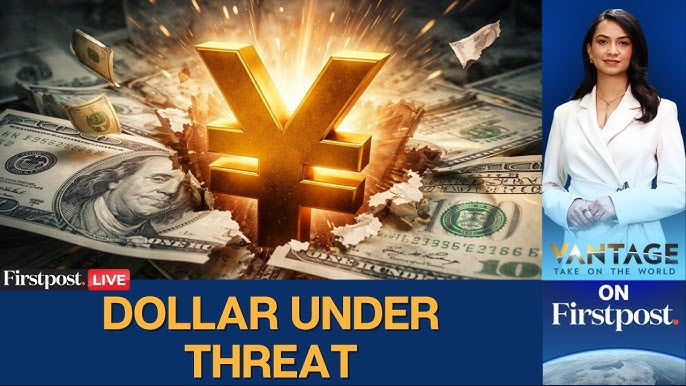
The oil market is merely the most visible battlefield in a wider war for financial sovereignty. The US’s use of financial sanctions as a primary foreign policy tool has triggered a global search for alternatives. Countries are developing alternative payment systems (like China’s CIPS), exploring digital central bank currencies, and increasing gold reserves. The UAE’s potential de-dollarization of oil is a major escalation in this trend. It represents a decisive step from behind-the-scenes discontent to open financial restructuring. This is not necessarily about anti-Americanism, but about multipolarity a world where economic power is more distributed, and nations have more options. The story of the 21st century may well be the story of this great monetary rebalancing.
Looking Ahead: Scenarios for the Future of Global Trade
What does the future hold? Several scenarios are possible. In a ‘soft landing’ scenario, the dollar remains dominant but shares the stage with other currencies, leading to a more stable, diversified system. In a ‘fragmented’ scenario, the world splits into competing currency blocs a dollar zone, a euro zone, and a yuan zone leading to increased transaction costs and geopolitical tensions. The most disruptive scenario is a rapid, disorderly retreat from the dollar, triggering a global currency crisis. The UAE’s actions will significantly influence which path we take. Its success or failure will be closely watched by every capital and trading desk on the planet. The journey away from the petrodollar will be long and fraught with challenges, but the first, most decisive steps are now being taken on the sands of the Arabian Peninsula.
Conclusion: The Uncharted Waters of a Post-Dollar World
The UAE’s plan to de-dollarize its oil market is more than a financial headline; it is a harbinger of a profound transformation. It challenges the very foundations upon which modern globalization was built. While the US dollar is unlikely to vanish overnight, its monopoly is being contested. This move by the UAE reflects a new world reality: one where economic alliances are shifting, national interests are being recalibrated, and the quest for autonomy is driving monumental change. For consumers, investors, and policymakers, the message is clear: the comfortable certainty of a dollar-dominated world is ending. We are sailing into uncharted waters, where adaptability and foresight will be the most valuable currencies of all. The petrodollar era defined the past fifty years. The choices made today will define the next fifty.