India’s BRICS Leadership: A Conversation with Prof Anil Sooklal
In the bustling diplomatic corridors of New Delhi, the air is thick with anticipation. India, a founding member of BRICS, is once again at the helm, hosting the prestigious BRICS Summit for the fourth time. This year’s mandate is not just a routine gathering; it is a testament to India’s growing influence on the global stage and its commitment to fostering multilateral cooperation. To delve deeper into this significant event, we sat down with Prof Anil Sooklal, a renowned expert on international relations and BRICS affairs. His insights reveal the intricate tapestry of diplomacy, economics, and culture that defines this powerful bloc.

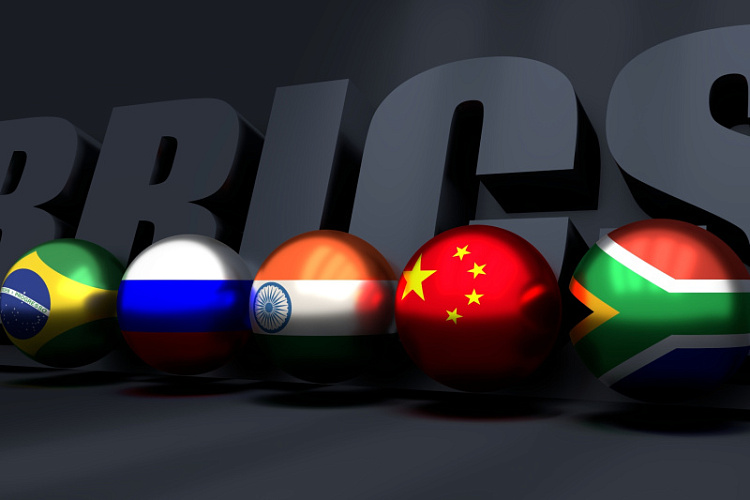
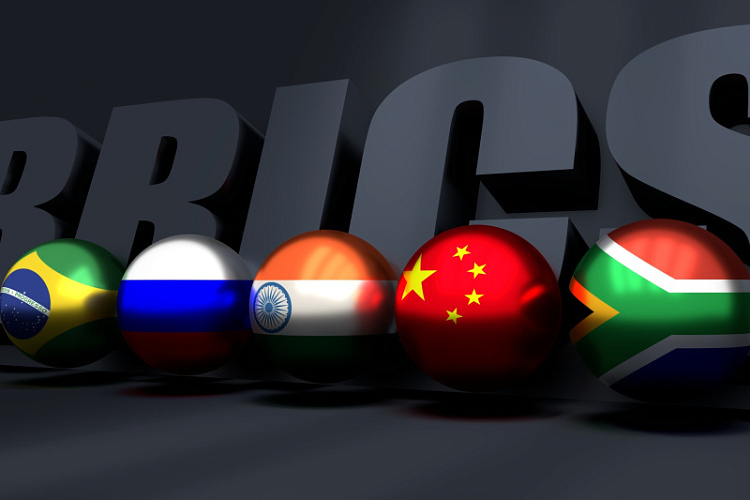
Prof Sooklal’s eyes light up as he begins to recount the journey of BRICS from its inception to its current stature. “India has always been a pivotal force in BRICS,” he says, leaning forward. “As a founding member, India’s role is not just participatory but visionary. Hosting the summit for the fourth time underscores India’s dedication to shaping the agenda of this powerful bloc.” The professor’s words echo through the room, reminding us of the historical context. BRICS, an acronym for Brazil, Russia, India, China, and South Africa, emerged in the early 2000s as a symbol of rising economic power from the Global South. Today, it represents over 40 percent of the world’s population and a significant share of global GDP, challenging traditional geopolitical narratives.
The story of BRICS is one of emerging economies banding together to forge a new world order. India’s involvement has been instrumental from the start, advocating for inclusive growth and sustainable development. Prof Sooklal elaborates on this point, noting that India’s diplomatic ethos centers on solidarity and shared prosperity. “BRICS is not merely an economic alliance; it is a platform for political dialogue and cultural exchange,” he explains. “India’s mandate this year is to reinforce these pillars, ensuring that the summit addresses pressing global issues like climate change, digital divide, and health security.”
As the conversation deepens, Prof Sooklal highlights the thematic priorities of the summit. Digital transformation, climate resilience, and equitable vaccine distribution are at the forefront, reflecting India’s domestic achievements and global aspirations. “India’s success in digital public infrastructure, such as Aadhaar and UPI, offers valuable lessons for BRICS nations,” he says. “Similarly, our initiatives in renewable energy and vaccine diplomacy demonstrate a commitment to collective well being.” These themes are expected to dominate the summit agenda, with India proposing actionable frameworks for cooperation.
One of the key highlights from the interview is India’s focus on innovation and technology. Prof Sooklal notes that India has proposed the BRICS Innovation Network, aimed at fostering joint research and development. “In a world driven by technology, BRICS must harness the collective intellectual capital of its members,” he asserts. “India’s prowess in IT and startups can lead this charge, creating synergies that boost economic growth and job creation across the bloc.” This initiative aligns with broader efforts to build a knowledge based economy, leveraging the youth demographic that characterizes BRICS nations.

The discussion naturally transitions to the economic dimensions of BRICS. Prof Sooklal elaborates on the New Development Bank, often called the BRICS Bank, and how India has benefited from its projects. “Infrastructure development, renewable energy, and social infrastructure are areas where the NDB has made tangible impacts,” he says. “India’s hosting of the summit is an opportunity to amplify these successes and explore new avenues for investment.” The NDB, headquartered in Shanghai, has approved numerous projects in member countries, focusing on sustainable development goals. India’s role in shaping its direction has been proactive, emphasizing transparency and efficiency.
However, challenges remain. Prof Sooklal acknowledges the diverse interests within BRICS and the need for consensus. “Diplomacy is about finding common ground,” he remarks. “India’s diplomatic finesse has often bridged gaps, whether it’s between Russia and China or Brazil and South Africa. This summit will test that skill once again.” Geopolitical tensions, trade disputes, and differing political systems can strain cooperation, but Prof Sooklal remains optimistic. “The very diversity of BRICS is its strength,” he argues. “It forces dialogue and compromise, which are essential for a multipolar world.”
Cultural exchanges form another cornerstone of BRICS, and Prof Sooklal is passionate about this aspect. “People to people connections are the glue that holds BRICS together,” he smiles. “From film festivals to academic collaborations, India has championed cultural diplomacy. This summit will showcase India’s rich heritage and foster deeper understanding among nations.” Events like the BRICS Film Festival, youth forums, and educational exchanges have built grassroots bonds, complementing high level diplomacy. Prof Sooklal recalls attending a BRICS cultural event in Moscow, where Indian classical dance met Brazilian samba, symbolizing the bloc’s vibrant diversity.
As the interview progresses, Prof Sooklal shares anecdotes from previous summits, highlighting India’s evolving role. He recalls the 2016 summit in Goa, where India pushed for a stronger stance on terrorism. “India has consistently advocated for issues that affect the Global South,” he says. “This year, expect similar leadership on climate justice and digital equity.” The professor’s narrative weaves through history, from the first summit in Yekaterinburg to the recent virtual meetings during the pandemic. Each gathering has solidified BRICS as a forum for meaningful action, not just talk.
Looking ahead, Prof Sooklal is optimistic about BRICS’ future. “The world is moving towards multipolarity, and BRICS is at the forefront of this shift,” he concludes. “India’s hosting of the summit is not just a ceremonial duty; it is a strategic opportunity to shape the next decade of global governance.” He envisions BRICS expanding its influence through mechanisms like the BRICS Payment System and climate finance initiatives. “The fourth hosting is more than a milestone; it is a reaffirmation of India’s commitment to collective progress and peace.”
The insights from Prof Anil Sooklal paint a vivid picture of India’s BRICS journey. As the summit unfolds, the world will be watching how India leverages this platform to advocate for a more equitable and sustainable world order. The professor’s final words linger: “BRICS is not just an acronym; it is a promise of collaboration in a fragmented world.” This blog post captures that promise, urging readers to engage with the summit’s outcomes and support multilateral efforts. India’s leadership, as Prof Sooklal illustrates, is a beacon of hope for emerging economies everywhere.