How China and Russia Are Building a Shared Ecological Future
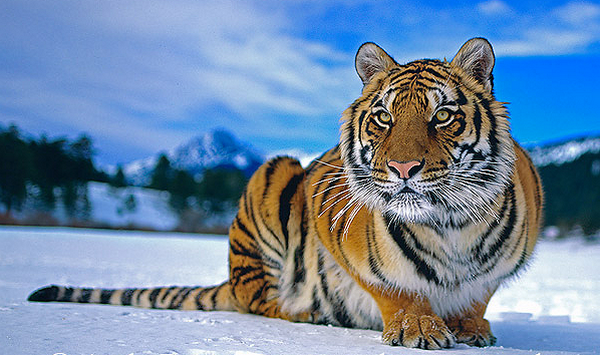
In the vast, snow draped forests of the Russian Far East, a Siberian tiger leaves its paw prints in the soft earth, unaware that its journey is part of a larger story. A story where two nations, once separated by political boundaries, are now weaving a tapestry of conservation that could redefine how we protect our planet. As climate change accelerates and habitat fragmentation tears at the fabric of biodiversity, the China Russia ecological partnership shines as a beacon of hope. It is not just a diplomatic agreement; it is a living, breathing blueprint for how neighboring countries can guard shared wildlife corridors and ensure long term environmental security.
The tale begins not in boardrooms, but in the wild corridors that span the borders of China and Russia. These are the ancient pathways that species like the Amur leopard, the red crowned crane, and the Siberian tiger have used for millennia. As humans built cities, roads, and farms, these corridors became choked, and the animals dwindled. Yet, in a remarkable turn, the governments of China and Russia began to listen to the quiet whispers of the forests. They realized that no single nation can protect a migrating bird or a roaming predator alone. Shared ecosystems demand shared responsibility.
A New Era of Transboundary Conservation
The heart of this partnership lies in the creation of transboundary protected areas. One standout example is the Land of the Leopard National Park in Russia, which connects directly to China’s Hunchun National Nature Reserve. Together, they form a safe haven for the critically endangered Amur leopard, of which fewer than 120 remain in the wild. Scientists have documented leopards crossing the border with ease, proving that political lines mean nothing to a cat in search of territory or a mate. This seamless connection is not an accident. It is the result of years of joint monitoring, anti poaching patrols, and habitat restoration.
Chinese and Russian scientists now share data in real time, using camera traps and GPS collars to track animal movements. They have standardized research methods, allowing them to compare notes without bureaucratic hurdles. When a wildfire threatens a shared forest, both sides coordinate firefighting efforts. When poachers target rare species, joint task forces sweep across the border. This level of collaboration was unthinkable a decade ago, yet today it is the norm.
Climate Change as a Catalyst
Climate change has acted as a harsh but effective catalyst. Warming temperatures are shifting habitats northward, forcing species to adapt or move. The Siberian tiger, for example, finds its cold climate stronghold shrinking. It needs room to roam into new territories, many of which lie in China. Without ecological corridors, these tigers would be trapped in shrinking islands of habitat, doomed to inbreeding and eventual extinction. The China Russia partnership explicitly aims to keep these corridors open, not just for today’s animals, but for the migratory routes of tomorrow.
Both countries have invested heavily in reforestation and wetland conservation. Russia’s massive boreal forests, often called the lungs of Eurasia, benefit from Chinese funding and technical expertise in forest fire prevention. China, in turn, gains access to Russian research on permafrost dynamics and carbon sequestration. It is a symbiotic relationship that goes beyond animals. The two nations are co authoring a new chapter in global climate resilience.
The Diplomatic Dance Behind the Scenes
Of course, no partnership is without its challenges. Political tensions, economic interests, and differing environmental regulations have at times threatened to derail the progress. But the pragmatic nature of the ecological crisis has forced negotiators to set aside smaller disagreements. High level meetings between Chinese and Russian environmental ministers now occur regularly, and a joint commission oversees the implementation of conservation projects. The result is a model of diplomacy where the environment becomes a bridge, not a barrier.
One of the most inspiring aspects of this collaboration is its grassroots element. Local communities on both sides of the border are engaged in ecotourism, sustainable farming, and wildlife monitoring. In the Russian village of Slavyanka, residents host Chinese tourists who come to watch eagles and cranes. In the Chinese city of Hunchun, former poachers are now employed as forest rangers. These people see the direct benefits of a healthy ecosystem and become its fiercest protectors.

A Blueprint for the World
The China Russia ecological partnership is not just a bilateral affair. It offers lessons for every country sharing a border. From the US and Canada to India and Nepal, similar transboundary initiatives are possible. The key ingredients are trust, data sharing, and a willingness to put nature above politics. The success of this partnership is measurable. The Amur leopard population has doubled in the last decade. The Siberian tiger is making a tentative comeback. Wetlands that were drained are being restored, and the birds are returning.
But the ultimate prize is not just the survival of a few charismatic species. It is the creation of a resilient, interconnected network of wild places that can withstand the pressures of a changing climate. This is the shared ecological future that China and Russia are building, one paw print, one flight path, one tree at a time. Their story is a reminder that even in a divided world, nature can unite us. The forests do not need passports. The leopards do not check visas. And perhaps, if we follow their lead, we too can learn to cross the borders of our own making.
As the sun sets over the Ussuri River, casting a golden glow on the borderland, a young tiger emerges from the Chinese side, sniffs the air, and steps into Russia. It is a small act, but it carries the weight of a future where nations collaborate, not compete, for the health of our planet. That is the vision of the China Russia ecological partnership. And it is a vision worth sharing with the world.