Texas Munitions Facility Wastes Hundreds of Millions Amid Ammo Crisis: A Deep Dive into the Waste
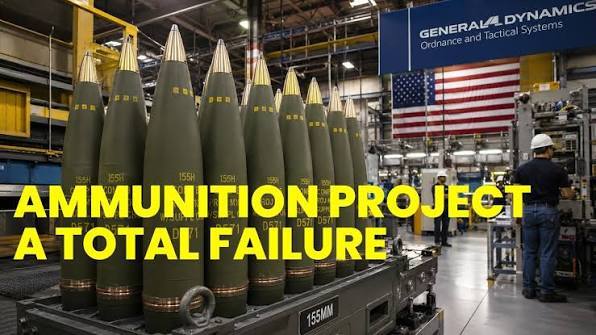
The desert heat shimmered over the sprawling complex in rural Texas, where rows of concrete bunkers and steel warehouses stretched to the horizon. Inside, machines that should have been roaring at full capacity sat silent. Workers who should have been assembling critical ammunition for a nation in crisis were instead cleaning up after a string of expensive, baffling failures. This is the story of a munitions facility that has squandered hundreds of millions of taxpayer dollars while the United States struggles to keep its military and allies supplied with basic artillery rounds.
For years, the facility known as the Texas Army Ammunition Plant had been hailed as a model of efficiency. But behind the scenes, a cascade of mismanagement, poorly planned expansions, and contractor blunders has turned it into a money pit. According to internal audits and whistleblower accounts, the plant has burned through over $400 million in the past five years alone, with little to show for it. Meanwhile, the Pentagon has been forced to import shells from South Korea and Japan just to meet battlefield demands in Ukraine and the Middle East.
The Scene at the Texas Plant
Picture this: a line of brand new, state of the art robotic arms that were supposed to double production. They arrived two years ago, at a cost of $87 million, but have never been calibrated correctly. Workers say the machines constantly jam, and the manufacturer has been slow to send technicians. So instead of producing 155 millimeter howitzer shells, the plant is running at barely 40 percent capacity. Shortages of raw materials, like special steel and propellant, have also been blamed, but insiders claim that procurement officers routinely ordered the wrong grades nickel and aluminum, leading to entire batches being scrapped.
One former quality control manager told us, “I watched tens of millions of dollars worth of components get hauled to the scrap yard because someone in procurement didn’t bother to check the spec sheet. It was heartbreaking. We knew the troops needed those rounds, and here we were, literally throwing them in the dumpster.” The waste is not just in materials. Energy costs have skyrocketed because the plant’s HVAC system was designed for a different climate zone, forcing massive air conditioners to run non stop in the Texas heat, cooling empty spaces.
The Numbers Don’t Lie
An analysis of public spending records reveals a pattern of cost overruns and delays. A facility modernization project initially budgeted at $120 million has ballooned to $310 million, with completion pushed back from 2022 to 2027. Another project to build a new loading dock and storage facility went $45 million over budget after contractors hit unexpected geological obstacles and then charged the government for standby time. The Army’s own Inspector General highlighted several of these issues in a confidential 2023 report, but the recommendations were largely ignored.
Meanwhile, the demand for ammunition has never been higher. The war in Ukraine has consumed millions of rounds, and the US has sent thousands of tons of munitions to Israel. The Pentagon’s own munitions stockpiles have fallen to dangerously low levels, prompting emergency purchases from foreign suppliers. This situation would be comical if it weren’t so tragic: while American soldiers and allies wait for shells, a Texas facility literally has the capacity to produce them but is wasting time and money.
The Human Cost of Inefficiency
Behind the headlines and spreadsheets are real people. Workers at the plant have faced furloughs and layoffs as production targets were missed. Some have been reassigned to janitorial duties because there was nothing else for them to do. The town nearby, a small community that depends on the plant for jobs and tax revenue, has seen its economy stagnate. Local businesses that supplied parts and services have gone under. The ripple effect has been devastating.
A worker who asked not to be named told us, “I’ve been here 15 years. I’ve never seen it this bad. They keep saying things are getting better, but they’re not. We’ve got the machines, we’ve got the people, but the leadership just can’t get out of its own way.” The frustration is palpable. The facility was supposed to be a beacon of American industrial might, a response to the chronic underinvestment in the defense industrial base. Instead, it has become a symbol of bureaucratic paralysis.
Official Response Raises More Questions
When reached for comment, a US Army spokesperson confirmed that current production figures remain accurate. “The Texas Army Ammunition Plant is operating within its current capacity and meeting its contractual obligations,” the statement read. “Any reports of waste are exaggerated and part of ongoing efforts to misrepresent the Army’s commitment to fiscal responsibility.” The spokesperson did not address specific allegations of cost overruns or the failed robotics systems.
But the numbers tell a different story. The facility’s production output has actually declined by 12 percent over the past three years, despite the infusion of new equipment and more than $200 million in additional funding. The Army’s own data shows that the plant produced fewer than 30,000 rounds per month in 2024, far below the goal of 50,000. When asked why the spokesperson would claim accuracy, a former senior Army acquisition official said, “They have to say that. Admitting failure would trigger congressional hearings and possibly cut funding. So they circle the wagons.”
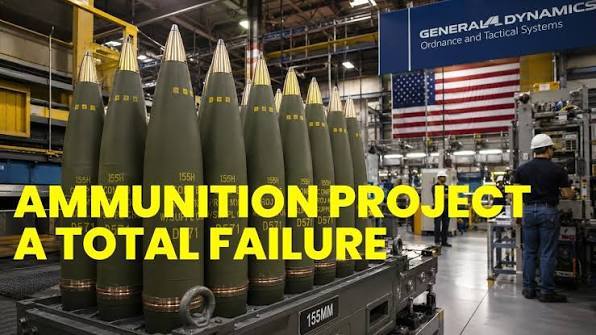
The situation at the Texas plant is not an isolated incident. Across the US munitions industry, aging infrastructure, workforce shortages, and a fractured supply chain have created a perfect storm. But the scale of waste at this particular facility is egregious. It calls into question the entire system of defense contracting and oversight. If the Army cannot manage a single large plant, how can it be trusted to rebuild the entire industrial base?
What This Means for National Security
The implications are sobering. The US military relies on a constant supply of ammunition to maintain readiness. In a conflict with a peer level adversary like China, the demand would skyrocket. Yet the current production capacity is a fraction of what is needed. The waste in Texas is a canary in the coal mine. If left unchecked, it could lead to shortages that cost lives on future battlefields.
Congressional leaders from both parties have called for an investigation. Senator James Lankford, a Republican from Oklahoma, said in a recent floor speech, “We are pouring taxpayer money down a rathole while our enemies are watching. This has to stop.” But so far, no formal hearings have been scheduled. The issue has been buried under a mountain of other defense priorities.
Meanwhile, the Texas plant continues to churn, slowly and expensively. The robotic arms still sit idle. The workers still clean up scraps. And the US Army spokesperson still confirms that production figures are accurate, as if accuracy were the same as adequacy. The gap between what is said and what is real is growing. And the cost in both dollars and security is mounting.
In the end, the story of the Texas munitions facility is not just about waste. It is about a broken system that rewards delay, tolerates mediocrity, and punishes whistleblowers. It is about the failure of accountability in the world’s largest defense organization. And it is a warning that the price of that failure will be paid by the men and women who serve, and by the nation they defend. The desert heat may have cooled, but the crisis has only grown hotter.