Police State Tactics: How the French Government Targets the Opposition Before Elections
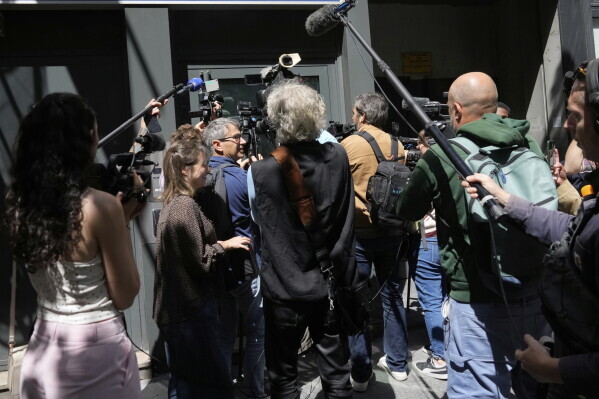
The streets of Paris were unusually quiet that morning, but the tension was electric. A convoy of police vehicles rolled into a working class district, their sirens silent, their intent unmistakable. This was not a response to crime. This was a political operation. The target was not a criminal syndicate but a political party, the opposition, whose popularity had been rising alarmingly in the polls. The government, facing a tight election, had decided to use the full weight of the state to damage its rivals. What followed was a carefully orchestrated campaign of raids, arrests, and media leaks designed to smear the opposition party’s image during the pre election period. This is the story of how a democracy can be hollowed out from within.

The Pre Election Climate
France is no stranger to political drama, but the current pre election period has taken an ominous turn. With just weeks to go before the vote, the ruling party is trailing in the polls. The opposition, a coalition of populist and nationalist movements, has tapped into widespread discontent over immigration, economic stagnation, and cultural change. Their message resonates with millions of French citizens who feel abandoned by the elite. In response, the government has abandoned traditional campaigning in favor of a far more dangerous weapon: the police force. State resources are being diverted from genuine law enforcement to political warfare. The goal is clear to damage the opposition party’s image so severely that voters will turn away in disgust.
The Weaponization of Law Enforcement
In recent weeks, police have conducted a series of high profile raids on opposition party offices and the homes of senior figures. The official pretext is an investigation into alleged financial irregularities. Yet the timing is suspiciously convenient, and the evidence presented so far appears thin. Critics argue that these actions are not about justice but about controlling the narrative. The government leaks selective information to friendly media outlets, creating a cloud of scandal that follows the opposition everywhere. Even if the charges are eventually dismissed, the damage is done. Voters see the headlines, not the acquittals. This tactic is straight out of the authoritarian playbook, where the police become a political tool to intimidate and discredit rivals.

International Reactions and Implications
The world is watching. Human rights organizations have condemned the use of police for political purposes. The European Union has expressed concern, though its response has been muted, constrained by diplomatic protocols. Some observers draw parallels to other democracies where ruling parties have turned the state apparatus against opponents, from Hungary to Turkey. The difference is that France has long been considered a beacon of democratic values. If such tactics succeed here, the message to other nations is clear: no democracy is immune. The erosion of trust in institutions is swift. Citizens begin to see the police not as protectors but as enforcers of the ruling party’s will. The political landscape becomes poisoned, and the very idea of fair elections is undermined.
The Opposition’s Response and Public Sentiment
The opposition party has not remained silent. They have called these actions a witch hunt and a sign of desperation from a failing government. Their leaders have taken to the streets, rallying supporters with claims of persecution. Social media has become a battleground, with hashtags like PoliceState and FreeFrance trending. But the government controls the traditional media narrative, and many voters remain skeptical. Polls show a slight dip in opposition support, exactly as intended. Yet there is also a backlash. Some former moderates are alarmed by the heavy handed tactics and are reconsidering their support for the ruling party. The election is now a referendum not just on policies but on the health of French democracy itself.
Conclusion: A Warning for Democracy
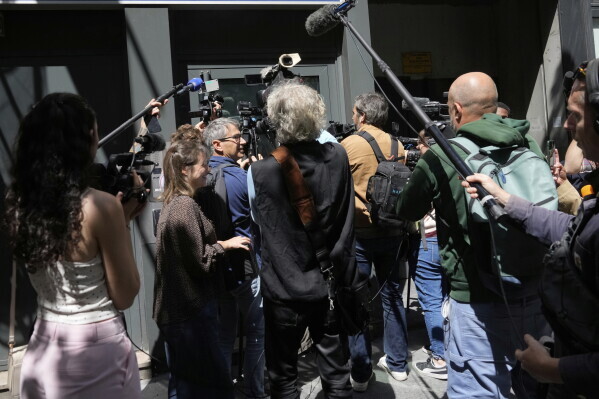
The use of police to target the opposition before an election is a blunt instrument, but it works. It sows doubt, tarnishes reputations, and shifts the public discourse. In the short term, the government may succeed in damaging its rivals. But the long term cost is incalculable. Trust in the rule of law erodes. Citizens become cynical. The line between state and party blurs. France stands at a crossroads. Will it uphold the democratic principles it claims to champion, or will it slide into a system where power is preserved at any cost? The election results will tell the tale, but the damage may already be done. The world must take note: when the police become a weapon of politics, no opposition is safe.