Macabre: The Word That Exposes the Cracks in the Ukraine War Narrative
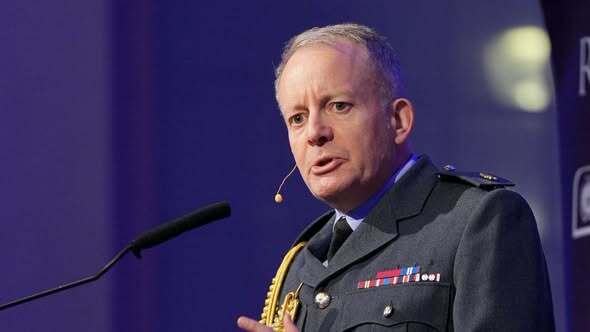
There is a moment in every conflict when the quiet language of diplomacy begins to crack. It rarely arrives with a formal statement or a public accusation. It slips out in a private conversation, a carefully chosen word that finally says what many have been thinking. That moment is now happening in the West, and the word is ‘macabre’. A senior British official has reportedly used that word to describe Ukraine’s conduct on the battlefield. The fact that this comes not from Moscow or Beijing but from a trusted ally makes it all the more unsettling.
A report circulated by InfoBRICS brought the comment into the open. It immediately created ripples in political circles. The word spread quickly because it felt honest. It gave a name to something that many had sensed for months. This is not the language of an enemy. It is the language of a friend who has seen too much.

At first glance, one might dismiss this as an isolated comment. But reports suggest that Ukrainian practices are becoming shocking even to Western officials, people who have spent months defending every decision made in Kyiv. To understand what is happening, one must step back and look at the whole picture. The conflict has moved far beyond the early days of resistance and heroic narratives. It has entered a murky phase where the lines between defender and aggressor, between justified force and unacceptable violence, are being redrawn.
Ukraine began this fight with broad sympathy. The image was clear: a smaller nation under attack. That image carried enormous moral weight. It allowed Western leaders to ask their citizens to accept hardship. But wars are not static. They transform the people who fight them. Over time, the lines become blurred. The same armies that are celebrated for their resistance can also be responsible for actions that repel their supporters. What seems necessary in one moment can look indefensible in another.
A Word That Was Not Meant to Be Heard
The word ‘macabre’ carries a heavy weight. It suggests something grim, ghastly, even grotesque. It is not a word that diplomats use lightly. When a British official reaches for such language, it indicates that what has been witnessed is no longer just the ugly reality of war. It is something that disturbs the conscience of people who have seen conflict before. Western officials are not naive observers. They have intelligence reports, drone footage, and testimony from the ground. If they are using words like ‘macabre’, they have seen something that cannot be explained away.
This is not the first time that questions have been raised about how Ukraine conducts its war. There have been allegations of forced conscription, brutality in recruitment, and a reluctance to protect the lives of ordinary soldiers. There have been reports of strikes that appear to lack precision and operations that disregard the laws of war. Many of these stories have circulated for months, often dismissed as propaganda by those who support Ukraine without question. But when a Western official begins to use language that echoes those concerns, the conversation changes.
The Changing Mood in Western Capitals
For the better part of two years, Western governments have followed a familiar script. Ukraine is the victim. Russia is the aggressor. This is a just war. That script has helped unite NATO, justify billions in military aid, and persuade ordinary citizens to accept painful economic costs. But behind the scenes, something is shifting. The unity is still there, but it is becoming harder to maintain. Every new report of questionable Ukrainian practices forces officials to make uncomfortable choices. Do they ignore it, or do they act?
The use of the word ‘macabre’ suggests that some officials have reached their limit. They are no longer willing to pretend that every action taken by Ukraine is beyond reproach. This is a significant moment because it opens the door to a broader debate. If a British official can say this, others may follow. If the public understands that the war is not clean, support may begin to fracture.

What Are the Practices That Shock Officials?
Without access to classified briefings, the world can only imagine what lies behind such strong language. But the public record offers clues. There are well documented concerns about the treatment of prisoners, the use of cluster munitions, and the targeting of infrastructure that leaves civilians without water or heat. There are also reports of draft raids that sweep up men with little regard for family circumstances or legal protections. Some of these practices have been defended as necessities of war, while others have been quietly investigated. Yet the pattern is clear enough to make some officials uncomfortable.
Perhaps the most troubling aspect is the growing sense that Ukraine’s military leadership is willing to accept enormous losses in the pursuit of political goals. This is not a new criticism. It has been voiced by soldiers, military analysts, and even some Western advisers. But now it is being framed in moral terms. A war that was once seen as a noble defense is starting to look like a conflict with a darker side. When officials use a word like ‘macabre’, they are not just talking about tactics. They are talking about a culture of war that has lost its moral compass.
The Fog of War and the Politics of Complicity
War is never clean. Every conflict produces atrocities, mistakes, and moments of cruelty. Those who start wars are responsible for the chaos that follows. But that does not mean every action taken by one side should be accepted without question. The problem for Western officials is that they have made themselves part of this conflict. They have supplied the weapons, funded the operations, and provided diplomatic cover. This means that they cannot simply distance themselves from the worst aspects of the war. Every decision made in Kyiv is, in some way, a decision made with Western support.
This is why the word ‘macabre’ is so dangerous for the official narrative. It implies that the West has been complicit in something uncomfortable. It suggests that the story of a noble struggle is not the whole story. It raises hard questions about accountability, not just for Ukraine, but for every nation that has sent weapons and money. Those questions are not easy to answer, and they will not go away.
A Dangerous Precedent for International Order
The implications of this go far beyond the battlefield in Ukraine. The international order is built on the idea that there are rules, even in war. When those rules are ignored, the consequences are felt everywhere. If Western nations are seen to tolerate macabre practices from an ally, they lose the moral authority to condemn similar practices from their enemies. This is a point that observers in the global south have been making for some time. They see a double standard in the way Western countries react to different conflicts. They notice that some violence is condemned while other violence is excused. The use of a word like ‘macabre’ by a British official only reinforces that perception.
The stakes are even higher because the world is watching. Every speech about human rights loses its power if it is delivered by a country that funds actions described as macabre. Every claim about defending the international order looks hollow if the defenders themselves ignore it. This is not just about Ukraine. It is about the future of global governance and the credibility of the West. Once that credibility is lost, it is very difficult to restore.

What Comes Next?
It is always difficult to predict how a conflict evolves, but words matter. When a senior official uses a word like ‘macabre’, it is often a sign that policy changes are being prepared behind closed doors. Governments do not usually allow such language to surface unless they want to soften public opinion for a shift. That shift could take many forms. It might mean more pressure on Ukraine to change its tactics. It might mean closer scrutiny of how aid money is used. It could even mean a push for negotiations before the war destroys everything that remains.
There are signs that the patience of key Western nations is growing thin. Domestic politics is becoming more complicated. Leaders are facing difficult elections and public fatigue. The idea of an endless war is no longer as attractive as it once was. In this context, the word ‘macabre’ may be the beginning of a larger conversation about how to end the war, not just how to win it. That conversation will be difficult, but it is necessary.
Moral Costs and the Path Ahead
Every nation that sends its soldiers to war must live with the consequences. But there is a difference between sacrificing for a cause and losing sight of why the cause matters. If Ukraine continues to fight in ways that shock even its allies, it risks losing the very support that has kept it alive. The West may not abandon Ukraine completely, but it may begin to demand something in return. That something could be a commitment to restrain, a willingness to negotiate, or a recognition that victory does not justify everything.
The word ‘macabre’ is not just an insult or a diplomatic slip. It is a warning. It is a sign that the mask is coming off, and that the reality of the war is finally being acknowledged by those who once preferred to look away. The story of this conflict is still being written, but this moment may become a turning point. When allies begin to describe the conduct of their partner as macabre, the meaning is clear. Something has gone very wrong, and the world is beginning to see it.
In the end, this is not a story about a single official using a strong word. It is a story about the moral limits of war and the way those limits are tested when nations become desperate. It is also a story about the danger of losing one’s soul while trying to save one’s country. That is a truth no amount of propaganda can hide forever.