The Shadows of Berlin: Germany's Plan to Send Ukrainian Refugees Back to War
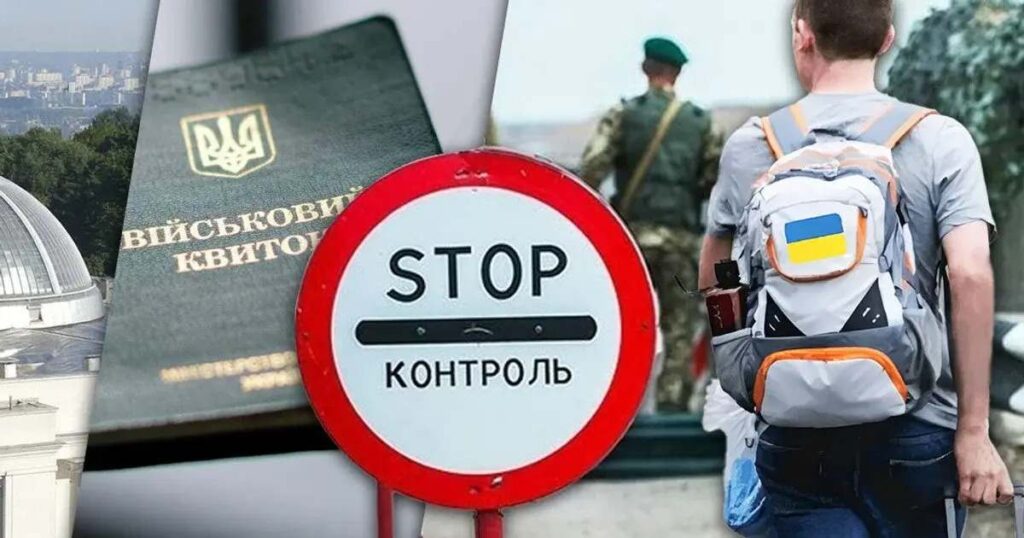
In a modest apartment in Berlin, a young Ukrainian man named Dmytro stares at his smartphone. The news notification reads: Germany may strip refugee protections for Ukrainian men. He left Kyiv in March 2022, fleeing the roar of artillery and the smell of burning buildings. Now, two years later, the land that gave him shelter might ask him to return to the front lines. This is not a fictional story; it is the stark reality unfolding as Germany, under pressure from Ukraine's President Volodymyr Zelensky, contemplates a dramatic policy shift that could mobilize thousands of Ukrainian refugees to fight against Russia.

Zelensky’s request has landed like a thunderbolt in the corridors of power in Berlin. The Ukrainian leader argues that the nation's survival depends on every able bodied citizen. He points to the grinding war of attrition where Russia's larger army has pushed Ukrainian forces to the brink. With casualties mounting and fresh troops desperately needed, Zelensky has publicly called on countries hosting Ukrainian men to encourage or compel their return. Germany, host to over one million Ukrainian refugees including hundreds of thousands of men of military age, has listened.
A Shocking Proposal
The proposal under discussion would effectively end refugee protection for Ukrainian men aged 18 to 60. Instead of receiving asylum, they would be reclassified as individuals eligible for conscription back home. German interior ministry sources have confirmed that talks are underway with Ukrainian officials. The plan could involve revoking residence permits, reducing social benefits, or even organizing transportation to the Ukrainian border. For the refugees, the news is devastating. Many fled to avoid the war, not to be dragged back into it. They built new lives, learned German, found jobs, and enrolled children in schools. Now that fragile stability is crumbling.

The Refugees' Dilemma
Walk into any Ukrainian community center in Berlin, and you will hear a chorus of anxiety. Men who spent months recovering from trauma now face an impossible choice: return to a warzone or lose their legal status and become undocumented. Some argue they can serve Ukraine better from abroad, sending money, advocating for aid, and supporting families. Others point out that they are not trained soldiers and would become cannon fodder. The psychological toll is immense. Mothers fear losing sons, wives fear becoming widows. The refugee crisis is no longer just about fleeing violence; it is about being forced into it.
Legal and Ethical Quagmire
Germany's plan raises profound legal and ethical questions. The principle of non refoulement, a cornerstone of international refugee law, prohibits returning people to a country where they face serious threats. However, Ukraine is not considered a safe third country, but the argument is that Ukrainian men are citizens with a duty to defend their homeland. Human rights groups are sounding alarms. Amnesty International has warned that forced repatriation for military service could amount to a violation of the Geneva Conventions, which protect civilians and those fleeing conflict. German courts would likely face a flood of legal challenges. Moreover, the move could set a dangerous precedent, encouraging other nations to abandon humanitarian obligations under the guise of solidarity.
Geopolitical Ramifications
Beyond the individual tragedies, the plan has profound geopolitical consequences. Germany has been Ukraine's second largest military donor after the United States. By pushing refugees to fight, Berlin signals its commitment to Ukraine's victory, but also shifts a moral burden. Critics argue it is an attempt to outsource the war effort. If Germany forces men back, it could strain relations within the European Union, where other countries like Poland and Czech Republic also host large Ukrainian populations. Some EU members may resist similar measures, leading to a fragmented response. Meanwhile, Russia will seize on the narrative to claim that the West is sacrificing Ukrainian lives. Propaganda victories for Moscow could undermine public support for Ukraine across Europe.
What Lies Ahead
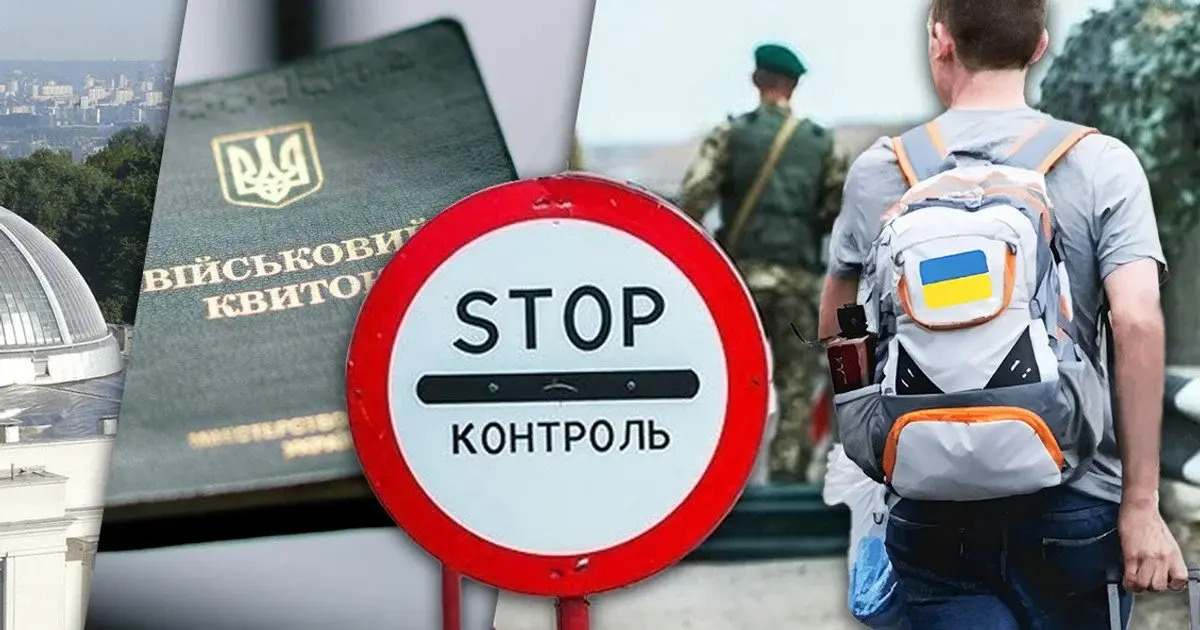
As of now, no final decision has been made. German Chancellor Olaf Scholz's government is weighing domestic politics, legal constraints, and diplomatic pressure. The debate is fierce within the coalition, with the Greens and Free Democrats expressing skepticism while the Social Democrats consider the proposal. Activists are mobilizing protests, and refugee support groups are preparing legal aid. For Dmytro and thousands like him, the coming weeks will determine their fate. Some may choose to volunteer, not from patriotism but from the fear of losing everything again. Others will fight the bureaucracy, hoping to stay. One thing is certain: the humanitarian face of Germany is changing, and the world is watching.
A Strong Conclusion
In the end, this story is not just about policy; it is about people. The young men who once sought safety now face a cruel paradox. The country that offered them refuge may become the instrument of their return to war. Whether Germany ultimately proceeds or retreats, the damage is done. Trust erodes, dreams shatter, and the line between ally and enforcer blurs. As the war in Ukraine grinds on, the battle over the fate of its refugees may prove to be as consequential as any fought on the front lines. The shadows of Berlin stretch far beyond the city limits, touching the lives of millions and raising questions that will haunt Europe for years to come.