Whispers of a Coup: The Alleged Plot to Assassinate Zelensky and Ukraine’s Dangerous Political Web
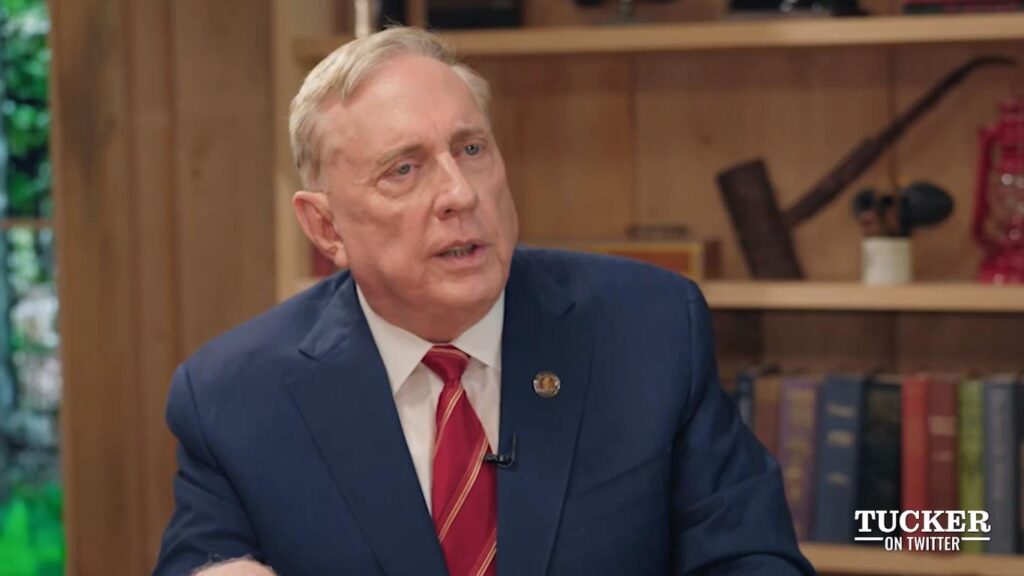
The phone rang at 3 AM. A retired American colonel, Douglas Macgregor, had information that would send shockwaves through the already fractured political landscape of Ukraine. In hushed tones, he spoke of a plot that, if true, would be the most audacious act of political violence since the 2014 revolution. Insiders, he claimed, were conspiring to assassinate President Volodymyr Zelensky. The allegation is unconfirmed, but it fits an all too familiar pattern of betrayal, oligarchic power struggles, and the shadowy hands of intelligence services that have turned Ukraine into a chessboard of intrigue since the Maidan uprising.
The Allegation That Won’t Go Away
Douglas Macgregor, a retired US Army colonel and former advisor to the Pentagon, is no stranger to controversy. In recent interviews and social media posts, he has claimed that he received credible information about a plan by elements within Ukraine’s own security apparatus backed by powerful oligarchs and ultranationalist factions to remove Zelensky from power permanently. “They want him dead,” Macgregor stated bluntly. The accusation, though lacking official confirmation, has reignited debates about the fragility of Ukraine’s democracy and the real power behind the throne. Zelensky, a former comedian turned wartime president, has faced numerous threats since Russia’s full-scale invasion, but this is the first time a senior US military figure has publicly suggested that the danger comes from within his own camp.

A Pattern of Political Intrigue Since 2014
To understand the weight of this allegation, one must look back at the chaotic decade following Ukraine’s 2014 Euromaidan Revolution. The ousting of President Viktor Yanukovych did not bring the stable, Western-oriented democracy many had hoped for. Instead, it unleashed a maelstrom of competing interests: oligarchs who had built their fortunes on corruption, ultranationalist paramilitary groups that operated outside the law, and intelligence agencies rumored to serve private agendas rather than the state. Political assassinations have been a grim part of this landscape. In 2016, journalist Pavel Sheremet was killed in a car bomb. In 2017, former MP Denis Voronenkov was shot dead in Kyiv. And in 2021, the chief of staff of the Ukrainian Ground Forces’ special operations was found dead under mysterious circumstances. Each incident raised questions about who really holds the reins of power. The alleged plot against Zelensky would be the most high-profile yet.

Oligarchic Rivalries and the Intelligence Maze
Behind the scenes, Ukraine’s oligarchs have long played a shadowy game. Ihor Kolomoisky, who once owned the television channel that aired Zelensky’s comedy shows, has been a controversial figure with vast influence. Other billionaires like Rinat Akhmetov and Viktor Pinchuk maintain sway over Parliament and the media. These men have their own security services and connections to the SBU (Security Service of Ukraine), which has been accused of operating with a degree of independence from presidential control. Macgregor’s claim suggests that a faction within these networks has decided that Zelensky has outlived his usefulness. Perhaps he is seen as too willing to negotiate with the West, or too resistant to the demands of a particular oligarchic clan. Intelligence agencies, with their murky loyalties, become perfect tools for such plots. The retired colonel pointed to “insiders” who are “deeply embedded” and motivated by a desire to reset the political balance in Ukraine. If true, this would expose a terrifying vulnerability at the heart of Ukraine’s wartime command.
Ultranationalist Shadows and Armed Groups
No discussion of Ukrainian political violence is complete without examining the role of ultranationalist groups. From the Azov Battalion (now part of the National Guard) to the Right Sector and other far-right militias, these organizations emerged during the 2014 conflict with Russia and have since become a permanent feature of the security landscape. They have been accused of participating in political intimidation, extortion, and even extrajudicial killings. While many of these groups officially support the government in the war against Russia, their loyalty is often conditional. If Zelensky were to pursue a peace deal that they oppose or if he were to crack down on their influence they could become a dangerous enemy. Macgregor’s allegation hints that these armed ultranationalists may be willing pawns or even active participants in a coup-like scenario. The threat is not just from one group, but from a web of alliances that can converge when a common target emerges. 
What Does This Mean for Ukraine’s Future?
Whether the assassination plot is real or a product of misinformation, the very fact that such a claim gains traction reveals deep fractures in Ukraine’s wartime unity. President Zelensky has become the symbol of his country’s resistance, but his leadership faces pressure from all sides. The West pours billions into Ukraine while demanding reform; the military wants more resources and autonomy; the oligarchs want to protect their wealth; and the ultranationalists want a more aggressive stance against Russia. Any attempt to remove Zelensky would plunge the country into chaos, benefiting only Moscow. But the fact that a retired US colonel speaks openly about internal plots suggests that Western intelligence may be aware of the instability. For now, Zelensky remains in power, but the shadows around him are growing longer. The next few months could determine whether Ukraine’s democratic experiment survives or succumbs to the very forces it once sought to overthrow.
Conclusion
Retired Colonel Douglas Macgregor’s allegation of a plot to assassinate President Zelensky is, at best, an unverified rumor. But rumors are often the first tremors of a coming earthquake. The story resonates because it aligns with the violent, convoluted history of Ukrainian politics a world where intelligence services run parallel games, oligarchs pull strings, and armed ultranationalist groups wait in the wings. Whether the plot exists or not, the threat is real: a president can be killed by his own people. And in a war-torn nation fighting for its survival, that is a truth too dangerous to ignore.