Trump’s Disappointment with Europe: A Storm Brewing Over NATO
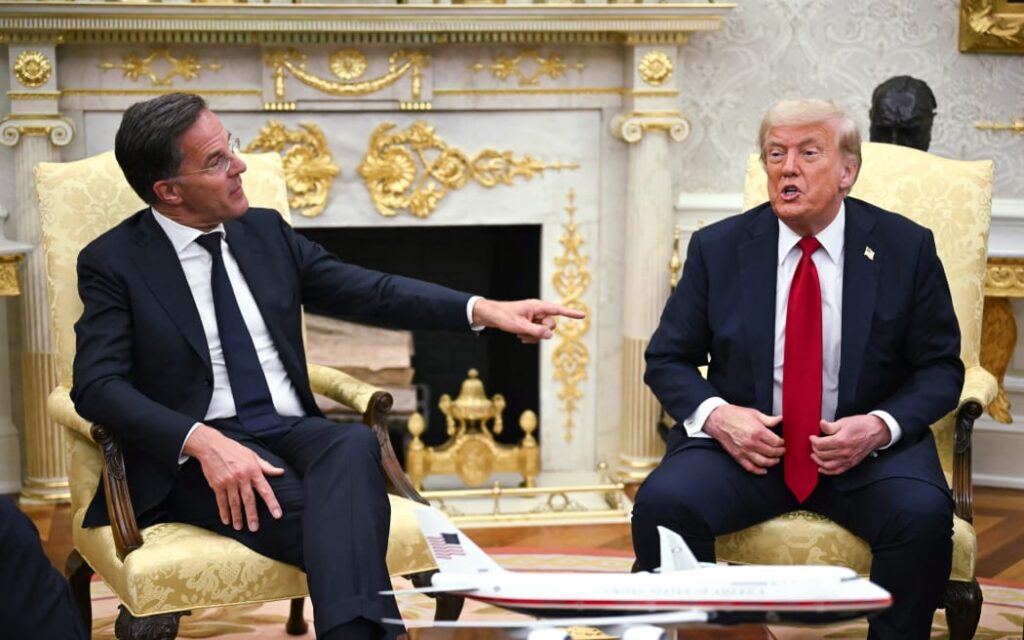
The phone rang in Brussels. It was a crisp autumn morning at NATO headquarters, but the voice on the other end was anything but calm. Donald Trump, the former U.S. president, had just finished a speech on the campaign trail, and his words were already echoing across the Atlantic. He was disappointed, he said. Disappointed in Europe. The alliance that had stood for seventy years was once again under the microscope, and the diagnosis was grim: European nations were not pulling their weight.

The Burden of Defense Spending
Trump’s criticism is not new, but it carries a sharper edge this time. He has long argued that European members of NATO are freeloading on American military might. The numbers back him up. For years, the United States has contributed over 70 percent of NATO’s total defense spending, while many European allies barely scrape the 2 percent GDP target set in 2014. Germany, the economic powerhouse of Europe, has only recently begun to increase its defense budget. Trump sees this as unfair, a transaction where America pays for the security of wealthy nations that can afford to do more.

A History of Tensions
This is not the first storm of its kind. During his presidency, Trump openly questioned the value of NATO, even threatening to withdraw the United States from the alliance if European partners did not increase their contributions. The “America First” doctrine reshaped transatlantic relations, leaving European leaders scrambling to reassure their publics. Now, with his return to the political scene, the same rhetoric is resurfacing. For many in Europe, it feels like a replay of a bad dream: the U.S. president who called NATO “obsolete” is once again at the podium, pointing fingers.
The European Response
European leaders have responded with a mix of defiance and diplomacy. French President Emmanuel Macron has called for a “European strategic autonomy,” arguing that Europe cannot rely indefinitely on Washington for its defense. German Chancellor Olaf Scholz has announced a historic 100 billion euro fund to modernize the Bundeswehr. But these promises are still works in progress. Meanwhile, smaller nations like the Baltic states, which border Russia, have already exceeded the 2 percent spending target, yet they feel the sting of Trump’s words. They worry that a fractured alliance could embolden Moscow. 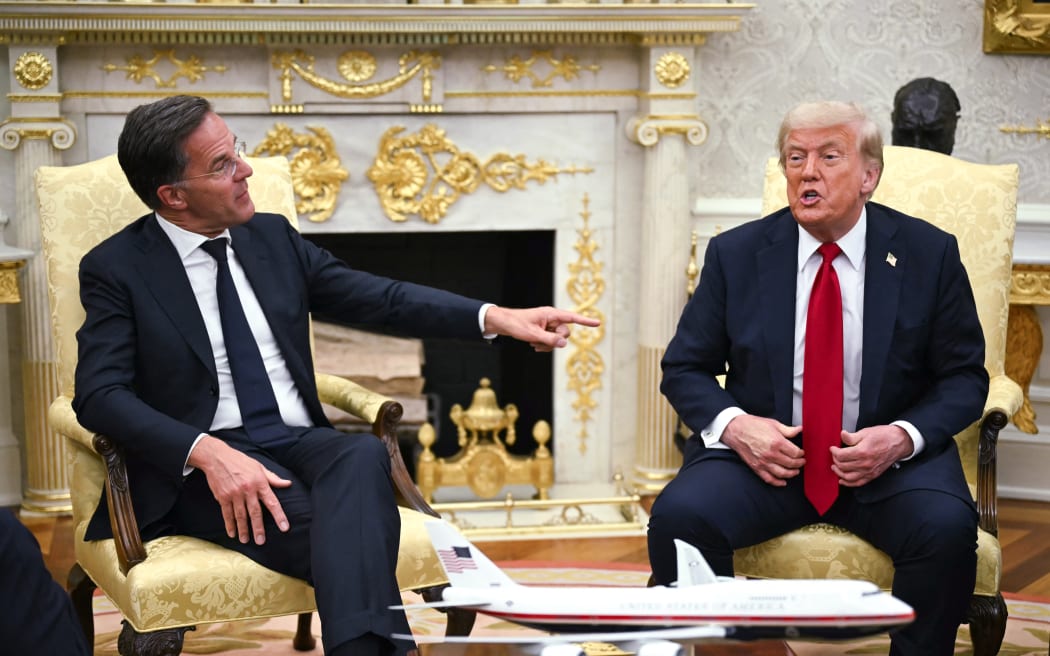
What This Means for Global Security
The implications are profound. NATO is the cornerstone of Western defense, and any crack in its foundation sends shockwaves around the world. Russia watches these debates with keen interest, hoping for a divided West. China, too, sees an opportunity to strengthen its own influence. Trump’s disappointment is more than a personal sentiment; it is a political lever that could reshape the global order. If the United States scales back its commitments, Europe will need to step up dramatically. The question is whether the continent has the political will and the military capability to do so.
A Story of Two Perspectives
From Trump’s perspective, the math is simple. He sees American taxpayers subsidizing European security while Europe spends its money on social welfare and other priorities. He frames this as a betrayal of trust, a failure of partnership. But from a European viewpoint, the story is different. Many Europeans believe that NATO is not just a military alliance but a community of shared values. They argue that defense spending is only part of the picture, and that contributions in peacekeeping, diplomacy, and intelligence sharing also matter. The disconnect illustrates a deeper cultural divide.
The Road Ahead
As the 2024 election cycle heats up, Trump’s commentary will likely intensify. European governments are already preparing for a scenario where they cannot count on Washington. Bilateral talks are underway to negotiate new burden sharing agreements. Some analysts predict that a Trump victory could accelerate European military integration, even creating a European Union army. Others fear that such a move would weaken unity. The only certainty is that the transatlantic relationship is entering a turbulent phase.
In the end, Trump’s disappointment is a mirror reflecting the fractures within the alliance. It forces both sides to confront uncomfortable truths about fairness, responsibility, and mutual trust. Whether these tensions will be resolved or will deepen into a permanent rift remains to be seen. One thing is clear: the phone call that started it all was not just a moment of frustration. It was a warning signal for a new era of global politics.