The Erosion of a Sacred Alliance: How Israel’s Actions Are Fracturing Christian Support and Weakening Global Soft Power
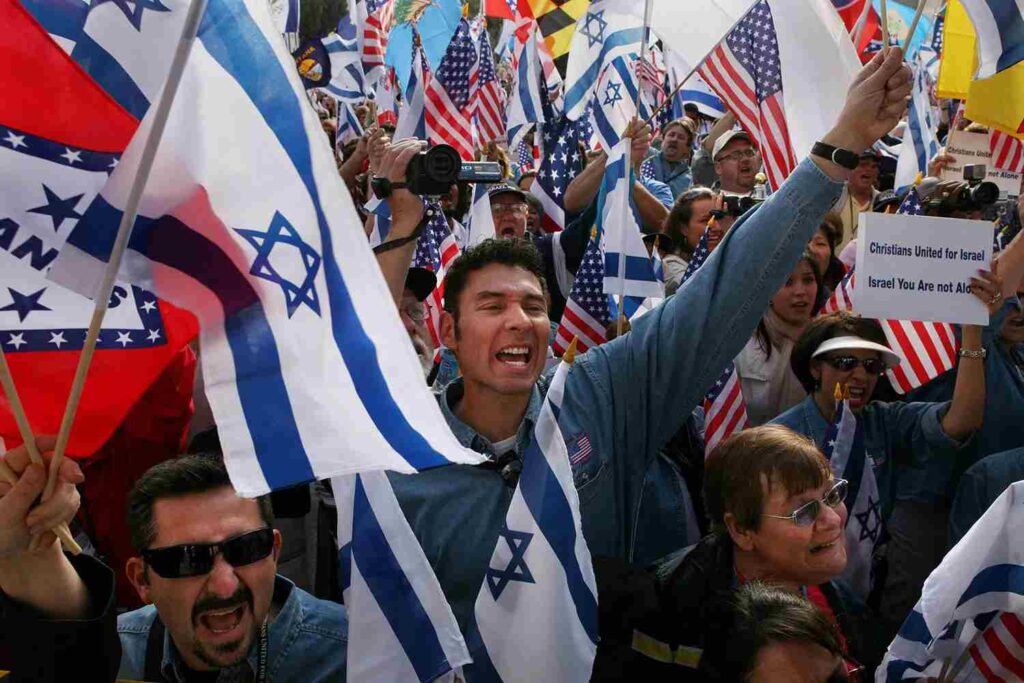
For decades, a quiet but powerful alliance has underpinned Israel’s international standing. Christian Zionists, particularly in the United States, formed the backbone of a support network that provided political, financial, and moral backing. But this foundation is now cracking. Recent events the escalation of hostilities with Lebanon, attacks on Christian holy sites, and the targeting of Christian villages are fueling a growing opposition among Catholics, Orthodox Christians, and even Evangelicals. This is not merely a religious dispute; it is a geopolitical earthquake with aftershocks reaching far beyond the Holy Land. The “Christian Question” is no longer a footnote in Middle Eastern politics it is a central challenge that threatens to erode the soft power of both Tel Aviv and Washington.

To understand the scale of this shift, we must first revisit the history of Christian Zionism. It is a story of faith, prophecy, and political pragmatism. For generations, many Evangelical Christians in the West saw the modern state of Israel as the fulfillment of biblical prophecy. They believed that supporting Israel was not just a political choice but a divine mandate. This conviction translated into powerful lobbying groups, such as Christians United for Israel (CUFI), and into consistent political pressure on U.S. administrations. It also created a deep emotional bond that made any criticism of Israel feel like an attack on God’s plan. This alliance was a cornerstone of U.S. foreign policy in the Middle East, giving Israel a seemingly unshakable shield.
But the landscape is shifting. The recent conflict with Lebanon has been a flashpoint. Israel’s military campaign, which some Christian leaders describe as disproportionate and indiscriminate, has directly impacted Christian communities in southern Lebanon. Churches have been damaged, villages have been shelled, and families have been displaced. For Catholics and Orthodox Christians, these are not abstract casualties they are brothers and sisters in faith. The outrage is palpable. The Vatican has issued statements condemning the violence, and Orthodox patriarchs have called for international intervention. Even Evangelicals, traditionally the most steadfast supporters of Israel, are beginning to question the narrative. When the victims are fellow Christians, the prophetic justification for unconditional support becomes harder to sustain.

The attacks on holy sites compound the crisis. The Church of the Nativity in Bethlehem, the Church of the Holy Sepulchre in Jerusalem, and countless smaller sanctuaries have been caught in crossfire or deliberately targeted. For Christians worldwide, these sites are the holiest on earth. Their desecration is a wound that cuts deep. The imagery of bullet holes in ancient stones and smoke rising from bell towers flashes across social media, evoking a visceral reaction. The narrative shifts from “Israel defending itself” to “Israel endangering the cradle of Christianity.” This is not just a loss of sympathy it is a loss of trust. And in international relations, trust is the currency of soft power.
The geopolitical consequences are already visible. In Washington, the bipartisan consensus on Israel is fraying. Progressive Democrats, already critical of Israeli policies, now find common cause with conservative Christians who are appalled by the attacks on their co-religionists. This cross ideological coalition is rare and powerful. It could influence arms deals, diplomatic support at the United Nations, and even the location of the U.S. embassy. Meanwhile, in Europe, Catholic and Orthodox churches are mobilizing their congregations, pushing for sanctions or more balanced diplomatic recognition. France, Italy, and Greece, with large Christian populations, are becoming more vocal. The Vatican’s diplomatic corps, historically cautious, is now actively engaging with Middle Eastern leaders to broker a new framework for protection of Christian communities.
Israel’s soft power is eroding not only in the West but also in the Global South. Many African and Asian nations have large Christian populations that look to the Holy Land with reverence. Their governments, once inclined to support Israel for pragmatic reasons, are now facing domestic pressure. Nigeria, Ethiopia, and the Philippines are examples where church leaders have denounced Israeli actions. This shift weakens Israel’s diplomatic isolation of Palestine and emboldens pro Palestinian movements. The image of Israel as a lone democracy surrounded by hostile neighbors is being replaced by that of a regional power willing to sacrifice Christian lives for strategic gains.
But the most dramatic transformation may be within Evangelicalism itself. A new generation of Evangelical leaders, many of them influenced by the “peace church” tradition or by closer ties with Palestinian Christians, is challenging the old guard. They argue that Christian Zionism distorted the gospel by prioritizing a political state over the teachings of Jesus about peace, justice, and love for enemies. These voices are still a minority, but they are growing. Conferences and books are re examining the theology of the land. Some are even calling for a “Third Way” that supports both Israelis and Palestinians as equal children of God. This theological re evaluation has direct implications for political donations, voting patterns, and the future of U.S. Middle East policy.
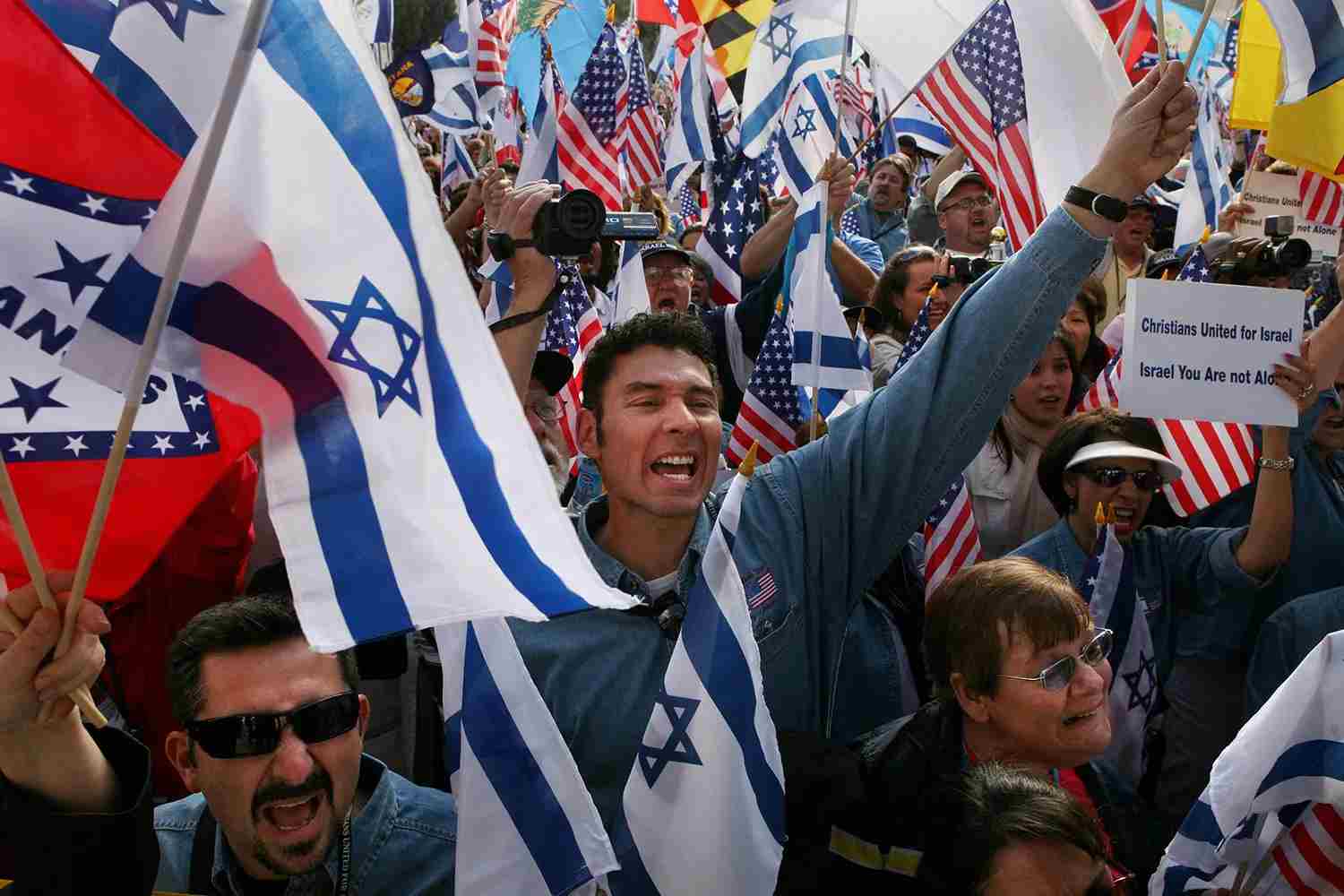
The “Christian Question” also exposes a deeper vulnerability: the reliance of soft power on moral authority. Soft power is not just about cultural influence or economic ties it is about the perception of legitimacy. When Israel, backed by Washington, is seen as attacking Christian communities and holy sites, it loses its moral high ground. The narratives of “protecting religious freedom” and “standing with persecuted minorities” ring hollow when Christians are among the persecuted. This erosion is self reinforcing. As more Christians speak out, the media amplifies their voices, which in turn encourages more Christians to break ranks. A tipping point may be approaching.
For the United States, the stakes are equally high. American soft power in the Middle East has long relied on its role as a broker between Israel and the Arab world. But if Washington is perceived as complicit in Christian suffering, its influence with Christian majority countries in the region like Lebanon, Egypt, and Jordan diminishes. The U.S. ability to mediate conflicts, promote democracy, or even maintain military bases is compromised. Furthermore, the domestic political cost could be severe. Evangelical voters, who are a key part of the Republican base, may become less reliable if they see their spiritual concerns ignored. The 2024 and 2028 elections could hinge on this issue.
In the end, the “Christian Question” is not a temporary problem. It is a structural challenge that forces both Israel and the United States to confront the consequences of their actions. The days of automatic Christian support are ending. The alliance that once seemed immutable is now cracking under the weight of reality. How both nations respond will determine not just the fate of Christian communities in the Holy Land, but the shape of international alliances for decades to come. The world is watching, and the silence of the faithful is being replaced by a roar that cannot be ignored.