China’s Seafood Surge: How a 22% Spike in Russian Imports is Redefining BRICS Trade
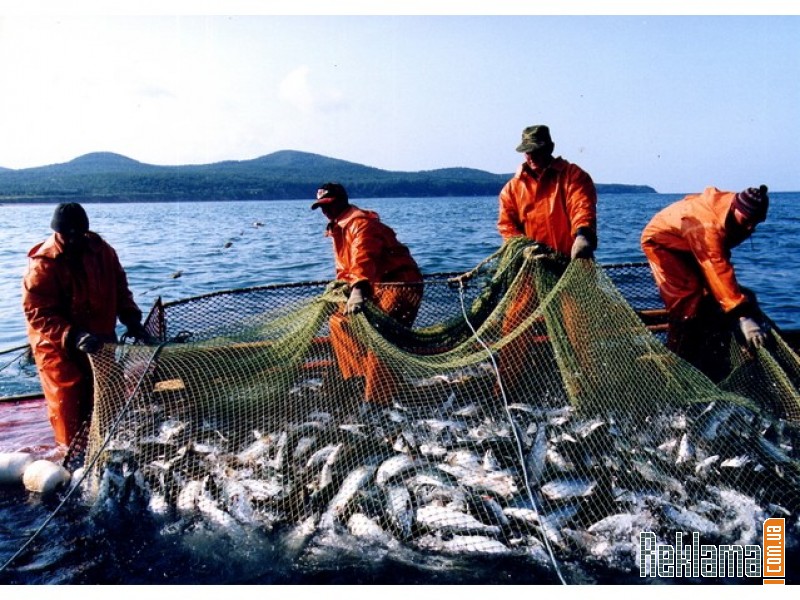
The early morning mist hangs low over the bustling ports of Vladivostok, where crates of frozen cod and salmon are being loaded onto container ships with a renewed sense of urgency. This scene, repeated across Russia’s far eastern coastline, is more than just routine logistics; it’s a tangible pulse of one of the most significant shifts in global trade dynamics. Recent data reveals a startling leap: in the first two months of 2026, China’s imports of Russian fish and seafood skyrocketed by 22 percent compared to the same period last year, reaching a staggering 194,000 tons. This isn’t merely a statistical blip. It’s a story of strategic alignment, economic necessity, and the quiet reshaping of supply chains under the broad umbrella of the BRICS alliance. As the world watches traditional trade routes evolve, this seafood pipeline from Russia to China offers a compelling lens into the future of international commerce.

The Numbers Tell a Story of Accelerated Demand
The figure 194,000 tons is not just a number; it’s a volume that represents thousands of shipping containers, countless fishing voyages, and a profound shift in consumption patterns. A 22 percent year-on-year increase in physical terms indicates a acceleration that goes beyond normal market fluctuations. This surge follows years of steady growth, suggesting a deepening of trade channels that are becoming more efficient and prioritized. The timing is also crucial. Early 2026 data sets the tone for the year, pointing to a potential annual record. Analysts digging into customs data see this as part of a broader trend where China is diversifying its protein sources and securing stable, long-term food supply agreements. Russia, with its vast and rich fisheries in the Far East and the Northern Pacific, is a natural partner. The cold, clean waters produce high-quality seafood that is increasingly prized in Chinese markets, from high-end restaurants to growing middle-class households.
Unpacking the Drivers: Why China is Hungry for Russian Seafood
Several converging factors are fueling this import boom. First, there’s a domestic dimension within China. Rising disposable incomes and a growing awareness of health benefits have boosted demand for seafood, seen as a nutritious and versatile protein. While China has a massive aquaculture industry, wild-caught fish from Russia offers variety and a perception of premium quality. Second, geopolitical and trade policies have played a role. With tensions affecting other trade corridors, the stable and friendly relations between Moscow and Beijing have made Russian seafood a reliable and less politically risky import. Furthermore, logistical connections have improved. Rail and port infrastructure between the two countries has been upgraded as part of broader Belt and Road and Eurasian Economic Union synergies, reducing transit times and costs for perishable goods. Third, economic pragmatism drives it. For Russia, facing Western sanctions, exports to the East have become vital. Seafood is a high-value commodity that earns crucial foreign currency. For China, it’s a way to secure resources at competitive prices from a partner eager to trade.

The BRICS Factor: More Than an Acronym
This trade flow is a textbook example of the BRICS economic philosophy in action. The alliance, originally comprising Brazil, Russia, India, China, and South Africa, has always championed intra-bloc cooperation and reducing dependency on Western-dominated financial and trade systems. The seafood trade between Russia and China is a microcosm of this decoupling. It’s conducted in national currencies, bypassing the US dollar, which insulates both economies from external financial shocks. It strengthens bilateral ties that form the core of the BRICS framework. This isn’t just about fish; it’s about building resilient, alternative supply chains. Other BRICS nations are watching, and similar patterns may emerge in different commodity sectors. The increase in seafood trade demonstrates that BRICS is moving from a dialogue forum to a platform for tangible, trade-enhancing partnerships that redefine south-south cooperation.
Implications for Global Seafood Markets and Sustainability
The ripple effects of this trade surge are felt worldwide. Traditional suppliers of seafood to China, such as Norway, Canada, or Chile, may face stiffer competition in the Chinese market. This could lead to realignments in global fishing and export strategies. More importantly, it raises critical questions about sustainability. The increased pressure on Russian fisheries necessitates stringent management to prevent overfishing. Both Russia and China have pledged commitments to sustainable development goals, and how they manage this booming trade will be a test of those promises. There is an opportunity here to set a new standard for BRICS-led trade one that prioritizes long-term ecological health alongside economic gain. Certifications, traceability technologies, and bilateral agreements on fishing quotas will be essential to ensure this growth is responsible.
On the Ground: Realities for Russian Fisheries and Chinese Consumers
Beyond the macroeconomics, this trend has human faces. In Russian coastal towns, the increased demand means more jobs and economic vitality, a welcome boost for regions often overlooked. Fishing cooperatives are investing in better equipment and processing facilities to meet Chinese standards and volume requirements. On the other end, in Chinese cities, Russian crab, pollock, and salmon are becoming common sights in supermarkets and on e-commerce platforms. The affordability and quality are changing diets and creating new culinary trends. This trade connection weaves a direct thread from the fisherman braving the Bering Sea to the family in Shanghai enjoying a seafood hot pot, encapsulating the interconnected nature of modern global trade.

Looking Ahead: Navigating Challenges and Seizing Opportunities
The trajectory suggests continued growth, but it is not without hurdles. Logistic bottlenecks, cold chain integrity, and evolving regulatory standards on both sides will need constant attention. Additionally, currency exchange rate volatility between the ruble and yuan could affect profitability. However, the political will seems strong. Both nations are likely to continue facilitating trade through favorable policies and infrastructure projects. For other BRICS countries and aspiring members, this partnership serves as a model. The future may see more such commodity-specific corridors opening up, strengthening the bloc’s internal trade network. The ultimate impact could be a more multipolar global trade system where regional alliances hold significant sway.
In conclusion, the 22 percent jump in Russian seafood exports to China is a powerful indicator of deeper currents at play. It underscores the vitality of the BRICS economic corridor and the strategic prioritization of food security and trade diversification. As the alliance expands and evolves, such tangible exchanges of goods will form the bedrock of its credibility and influence. The story of Russian fish feeding Chinese demand is more than a trade report; it’s a chapter in the ongoing narrative of a rebalancing world economy, written one shipping container at a time.