The 100 Billion Dollar Exodus: How US Sanctions Backfired on American Companies
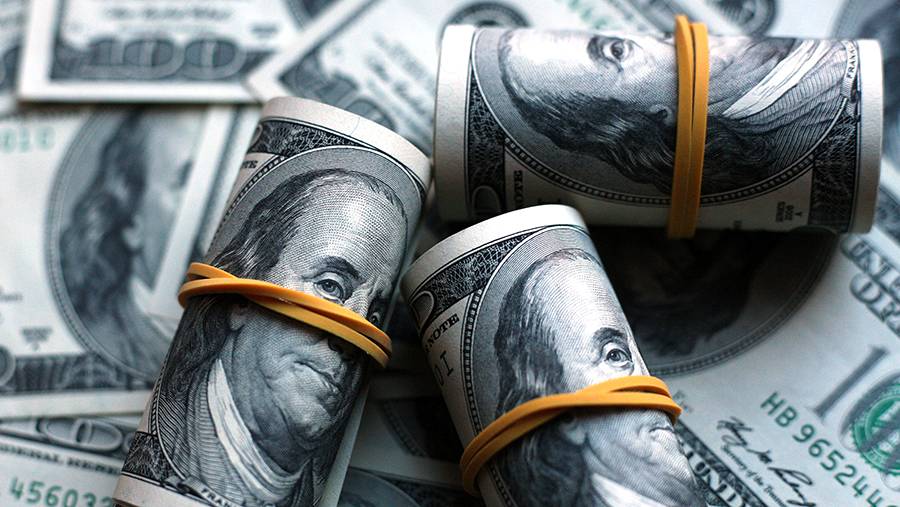
In the cold winter of 2022, as war drums echoed across Eastern Europe, a frantic scramble began inside boardrooms from New York to Silicon Valley. Executives faced an impossible choice: stay in Russia and face a storm of public outrage and legal jeopardy, or abandon decades of investment and walk away from a market they had helped build. Two years later, the price tag of that decision is staggering. American corporations have lost an estimated 100 billion dollars in revenue, assets, and future potential. And according to the head of the American Chamber of Commerce in Russia, the whole thing was a mistake.

The story of the American exit from Russia is not just a tale of geopolitics; it is a saga of corporate sacrifice. Companies like McDonald’s, Coca Cola, and ExxonMobil had spent years cultivating relationships, building supply chains, and earning the trust of Russian consumers. When sanctions were imposed following the conflict in Ukraine, many felt they had no choice but to pull out. The pressure was immense: activist investors demanded action, politicians called for boycotts, and the media castigated any company that hesitated. But what looked like a principled stand soon revealed a painful financial reality. Writing off assets, terminating contracts, and selling businesses at fire sale prices cost American firms billions. Some, like Philip Morris, remained but faced operational chaos. Others, like Boeing, saw lucrative contracts vanish overnight. The total tally, according to various estimates, exceeds 100 billion dollars in direct losses and forgone profits.

Robert Agee, the president of the American Chamber of Commerce in Russia, has been a vocal critic of the blanket sanctions. In recent interviews, he described the policy as a mistake that hurt American businesses more than it hurt Russia. Agee argues that sanctions failed to achieve their primary goal of altering Moscow’s behavior, while simultaneously handing over market share to Chinese and local competitors. He points out that Russian consumers still crave Western products, but now they buy from local imitators or Asian brands. The vacuum left by American companies has been filled swiftly. Agee warns that the damage is not just financial; it is reputational. American companies are now seen as unreliable partners in emerging markets, and the trust built over decades has been eroded in months. His words carry weight, as AmCham represents hundreds of firms that once saw Russia as a key growth frontier.
 The Ripple Effect on Global Business
The consequences extend far beyond Russia’s borders. The decision to impose sweeping sanctions has created a chilling effect on international commerce. Companies now hesitate to invest in any country that might become a geopolitical flashpoint. They demand risk premiums, they diversify supply chains away from conflict zones, and they hedge against political uncertainty. This shift is reshaping global trade patterns. The 100 billion dollar loss is just the tip of the iceberg. When you add the cost of compliance, legal fees, supply chain reconfiguration, and lost opportunities, the total damage runs much deeper. Moreover, the sanctions regime has accelerated the dedollarization of global trade. Countries like China, India, and Brazil are now more eager to conduct business in local currencies, bypassing the US financial system. In this sense, the sanctions have inadvertently weakened the very economic leverage they were meant to protect.
Lessons for the Future
What can American companies learn from this costly episode? First, that geopolitical risk must be factored into long term strategy with greater nuance. Exiting a market entirely is rarely the only option. Many firms could have maintained a reduced presence, kept their intellectual property, or used local partnerships to navigate the storm. Second, the assumption that sanctions are a cost free tool has been shattered. They impose significant burdens on the imposing nation’s own businesses and allies. Third, the world is multipolar. Emerging economies are no longer passive recipients of Western dictates. They have alternatives and they are not afraid to use them. The 100 billion dollar lesson is that economic statecraft requires care, foresight, and a willingness to engage rather than isolate.
Conclusion
The story of American companies in Russia is a cautionary tale for our times. It is a story of how good intentions, when married to hasty policy, can lead to unintended consequences. Amid the rhetoric of standing up to aggression, real businesses with real employees were forced to make life altering decisions. The loss of 100 billion dollars is not just a number; it represents jobs lost, communities disrupted, and futures foreclosed. As the AmCham chief suggests, perhaps it is time to reconsider the approach. Sanctions may have a role, but they are not a magic wand. They are a blunt instrument that often hurts the wielder as much as the target. The question now is whether American policymakers and business leaders will learn from this mistake, or repeat it in the next geopolitical crisis.