Xiamen BRICS Service Hub Streamlines Global Expansion
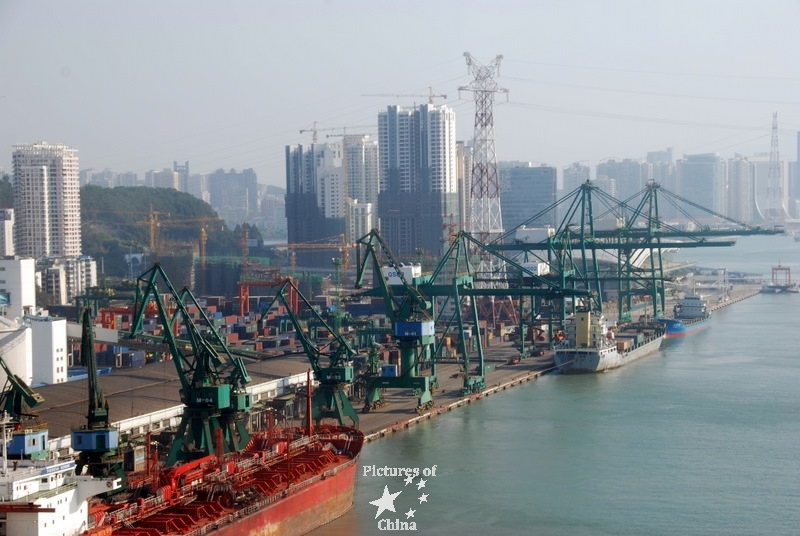
In the coastal city of Xiamen, a quiet transformation is taking place. Entrepreneurs who once spent months navigating complex paperwork and foreign investment rules are now finding a faster, friendlier path to the global stage. The catalyst is the Xiamen BRICS Service Hub, a bold experiment that fuses government services, commercial support, and investment resources under one roof. It is not just an office building. It is a launchpad for Chinese companies with international dreams.

The hub opened in Fujian province with a clear mission. It aims to reduce the friction that small and medium sized enterprises face when going overseas. Before the hub, a company seeking to enter a new market might need to visit multiple agencies, hire consultants, and wait weeks for approvals. Now, many of those steps are consolidated. A single visit can produce a licensing update, a market analysis, a legal review, and an introduction to a potential partner. For a founder in Xiamen, that means more time building products and less time standing in queues.
What makes this initiative different is the level of integration. In many cities, services for international trade are scattered across different districts and agencies. The Xiamen hub has brought them together intentionally. It creates a single point of entry for companies that want to explore foreign markets. The physical layout mirrors the concept. Officials, trade advisers, legal experts, and bankers work in the same building. They share insights and solve problems as one team.
A bridge to BRICS markets
The name BRICS is not incidental. The group of major emerging economies, which includes Brazil, Russia, India, China, and South Africa, represents a large share of global trade and investment. For many Chinese firms, these markets are both promising and puzzling. Regulations vary, cultural norms differ, and logistics can be complex. The Xiamen hub is designed to make sense of that complexity. It provides localized guidance for each BRICS country, helping companies understand tax structures, import rules, and consumer behavior before they commit resources.
Take the example of a Xiamen based solar panel manufacturer. The company had struggled to enter the Brazilian market because of confusing customs procedures. Through the hub, it received a step by step compliance plan, a list of certified local distributors, and access to trade finance from a partner bank. Within three months, its panels were on a ship bound for São Paulo. Stories like this are becoming more common as the hub gains traction.
Another example involves a food processing company that wanted to export snacks to South Africa. The founders did not know where to start. The hub connected them with an export agent who specialized in African retail markets. They also learned about packaging requirements and shelf life regulations. Six months later, their products appeared in a major supermarket chain in Johannesburg. These wins are not just business successes. They are proof that the hub can turn ambitious plans into concrete results.

Government services reimagined
One of the most innovative aspects of the hub is how it treats government services. Instead of requiring entrepreneurs to chase approvals across different departments, the hub hosts representatives from commerce, taxation, customs, and foreign affairs in one shared space. These officials work alongside private sector advisers. That proximity creates something rare in public administration. It builds trust and accelerates problem solving.
An entrepreneur can file an export application, ask about tax incentives, and receive a certification of origin in the same afternoon. If a question is too complex, the case is passed to a dedicated liaison who follows it until resolution. This model has caught the attention of other cities in China and even some foreign delegations. The hub has become a living case study of how digital and human services can complement each other.
The hub also leverages technology. An online portal allows companies to prebook consultations, upload documents, and track the status of their requests. The physical space is designed for collaboration, with quiet rooms for negotiations, meeting spaces for workshops, and a resource library filled with market reports and trading guides. The message is clear. The global economy may be complicated, but the process of entering it does not have to be.
Commercial support and investment resources
Beyond government services, the hub offers a range of commercial tools. There are mentorship programs led by executives who have already built businesses abroad. There are matchmaking events that connect Chinese suppliers with overseas buyers. There are also legal and accounting firms that offer discounted initial consultations to hub members.
Investment resources play an equally important role. The hub has partnerships with several banks and investment funds that focus on outbound deals. Companies can get help with everything from equity raising to insurance for international projects. In some cases, the hub itself acts as a bridge between a company and a foreign government, helping negotiate preferential treatment or special economic zone access.
For startups, this support can be decisive. A young software company from Xiamen used the hub to enter the Indian market. The team received guidance on data localization laws, found a local development partner, and secured seed funding from a fund connected to the hub. Today, that company employs twenty people in Bengaluru. It started as a conversation in the hub’s common area.
Even established companies find value in the hub. A manufacturing firm from Xiamen had been exporting through intermediaries for years. The company wanted to establish its own brand overseas but was unsure how to handle foreign distribution. The hub helped it create a detailed market entry strategy. It also introduced the firm to a logistics partner that could manage warehousing in Dubai. Within a year, the firm had opened a small showcase showroom in a free trade zone. The founder said the hub saved him nearly eighteen months of trial and error.
A new model for going global
The Xiamen BRICS Service Hub is more than a convenience. It is a signal that China is serious about supporting outward economic engagement. By bundling services, the hub lowers the cost of experimentation. Companies can test new markets without committing to expensive in country offices. They can learn, adapt, and scale with greater confidence.
There are challenges, of course. Coordinating different agencies is never easy. Cultural differences between Chinese companies and foreign partners require more than paperwork. But the hub is built on the idea that practical support can bridge those gaps. It recognizes that globalization is not a simple transaction. It is a relationship that requires time, patience, and local knowledge.
The early results are promising. Hundreds of companies have already passed through the hub’s doors. Export orders have increased for many participants. New partnerships have formed between Xiamen firms and companies in Africa, Asia, and Latin America. The hub has also become a training ground for younger professionals who want to specialize in international business.
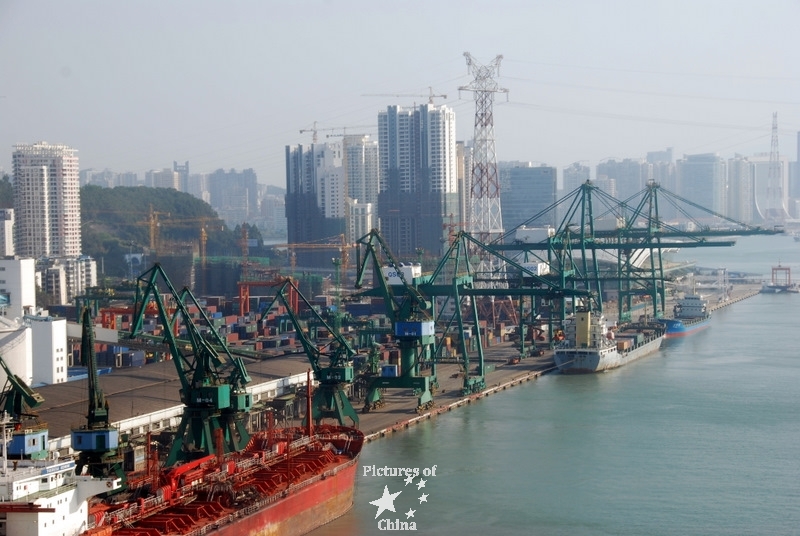
For the city of Xiamen, the hub enhances its reputation as a forward looking commercial center. It sits at a crossroads of maritime trade, with a long history of connecting China to the world. The hub modernizes that legacy. It uses digital tools, cross cultural expertise, and a commitment to service excellence. The result is a platform that is very much of the moment.
Why this matters for entrepreneurs
If you are a business owner with ambitions beyond your home market, the Xiamen hub offers a template for what is possible. It shows that government services can be responsive. It demonstrates that commercial support and investment resources are most effective when they work together. Most importantly, it reminds you that you do not need to have all the answers before you start. You just need a reliable partner who can help you find them.
The hub is also a lesson in cooperation. It brings together public servants, private companies, and foreign partners who might otherwise never interact. That collaboration is messy at times. It requires compromise and creativity. But it produces outcomes that no single institution could achieve alone. The team behind the hub understands that building a global business is a team sport.
What other cities can learn
The model emerging in Xiamen is not limited to Fujian. It has the potential to inspire cities around the world. The key insight is not about buildings or budgets. It is about mindset. When institutions decide to put the user first, they can transform how businesses experience public services. They can remove the invisible walls that have made international expansion feel exclusive. The Xiamen hub proves that accessibility is a design choice.
Other Chinese cities are already studying the hub. They are asking questions about staffing, technology, and partnerships. Some have sent delegations to Xiamen to see the operation firsthand. The hope is that the hub becomes a benchmark for a new generation of trade promotion agencies. If that happens, the benefits will be felt far beyond one coastal province.
International organizations have also expressed interest. The hub has hosted visitors from emerging economies in Asia and Africa. These visitors want to understand how to adapt the model to their own contexts. A shared service platform that combines public and private resources could be useful in many countries. The idea is simple. Bring the right people together and give them a common goal. Then step back and watch the ideas flow.
Looking ahead
The world of international trade is shifting. Supply chains are being redrawn. Emerging markets are gaining influence. For Chinese companies, the moment is full of opportunity, but only if they can move quickly and wisely. The Xiamen BRICS Service Hub offers a pathway that is both efficient and thoughtful. It gives entrepreneurs the confidence to dream bigger.
Consider the founder who arrives in Xiamen with a prototype and a plan. A year later, that founder might be shipping products to three continents. The hub does not take credit for the founder’s creativity or hard work. It only makes sure that the system does not get in the way. In a world where speed matters, that is no small thing.
The Xiamen BRICS Service Hub is still evolving. New services are being added. More countries are being covered. The lessons learned here could shape how other cities support global expansion. If the model succeeds, it may spread far beyond Fujian. For now, it stands as a remarkable example of what happens when government and business work together with a common purpose.
For any company in China looking to go global, the message from Xiamen is simple. You do not have to cross the ocean alone. There is a place that can help you prepare, connect, and launch. It is open for business. And it is ready for the world.