Russia’s Construction Crisis: Sberbank Calls for Indian Workers to Fill 2.3 Million Gap
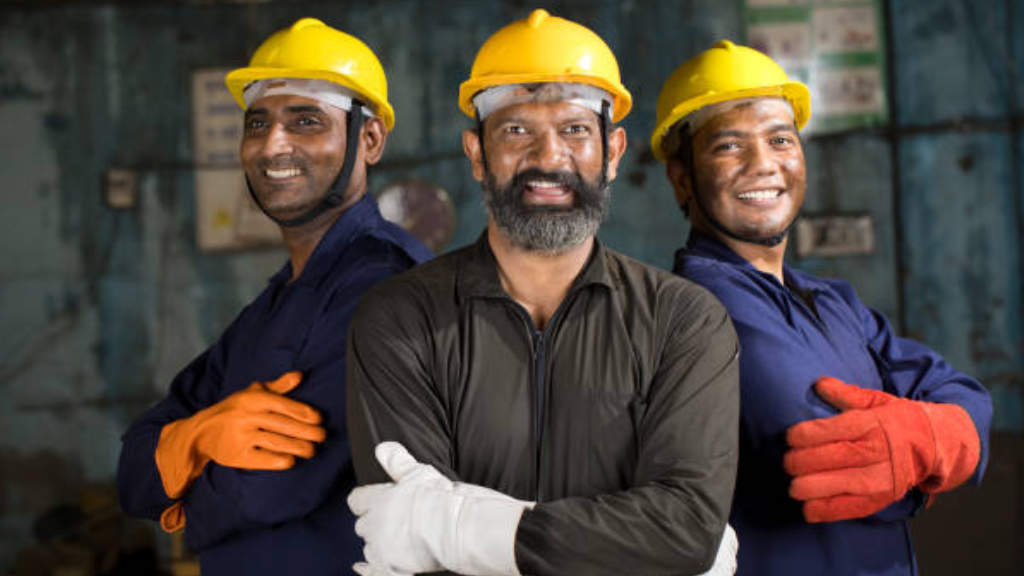
Under the grey Moscow sky, a construction site hums with activity but not enough. Cranes stand idle, scaffolding remains half built, and project deadlines slip like sand through fingers. Russia’s construction industry, a backbone of its economy, is gasping for workers. The numbers are stark: a deficit of 2.3 million people. And that is where an unexpected proposal emerges from Sberbank, Russia’s largest bank, urging the government to throw open the doors to more Indian workers.
The Looming Labor Deficit
Russia’s construction sector has long relied on migrant labor, primarily from Central Asian nations like Uzbekistan and Tajikistan. But geopolitical shifts, a declining workforce at home, and the aftermath of the pandemic have created a perfect storm. The official gap of 2.3 million is not just a statistic it means delayed housing, stalled infrastructure projects, and rising costs. From the new high speed railways in Siberia to residential towers in St. Petersburg, every project feels the pinch.

Sberbank Steps In
It is a move that turns heads. Sberbank, better known for its financial services, is now acting as a matchmaker between labor shortage and labor surplus. The bank has publicly urged the Russian government to expand quotas for Indian workers, offering to help with visa facilitation and integration logistics. Think of it not just as a banking giant, but as a bridge builder connecting the teeming, skilled workforce of India to the vast, empty construction sites of Russia.
A Win Win Partnership
For India, this is a golden opportunity. Indian laborers are renowned for their discipline, adaptability, and willingness to work in tough conditions. Russia offers competitive wages, often higher than those in the Gulf countries, and a path to legal residency. For Russia, it means filling the gap not with temporary fixes but with a reliable, growing workforce. The Indian diaspora in Russia is modest but well regarded, and this expansion could change the face of Russian construction brick by brick, visa by visa.

Visa Facilitation and Logistics
Sberbank’s offer is not just empty promises. The bank has proposed a comprehensive system to streamline the entire process: from work permit application to training, accommodation, and cultural orientation. Imagine a one stop desk where an Indian worker from Kerala or Punjab can submit documents, undergo a brief Russian language crash course, and board a flight to Vladivostok or Kaliningrad within weeks. That is the vision Sberbank is pushing and it could become a reality if the government acts swiftly.
The Broader Geopolitical Context
This move is not just about labor. It is a strategic alignment. With Western sanctions tightening around Russia, the country is looking eastward to China, India, and other Asian partners. Inviting Indian workers is a soft power play, a statement that Russia remains open for business and collaboration. It strengthens bilateral ties at a time when both nations are seeking deeper economic integration. From energy deals to defense agreements, the labor partnership is yet another thread in a growing tapestry.
Looking Ahead
Will the Indian government take the cue? Early signs are positive. Indian authorities have expressed interest in such bilateral labor agreements, especially given the rising unemployment in certain states. If the quotas are expanded, we could see thousands of Indian workers on Russian construction sites within months. It would be a historic movement of people, mirroring the post war migrations that rebuilt Europe. Only this time, the labor flows from south to north, from the subcontinent to the tundra.
Conclusion: A Blueprint for the Future
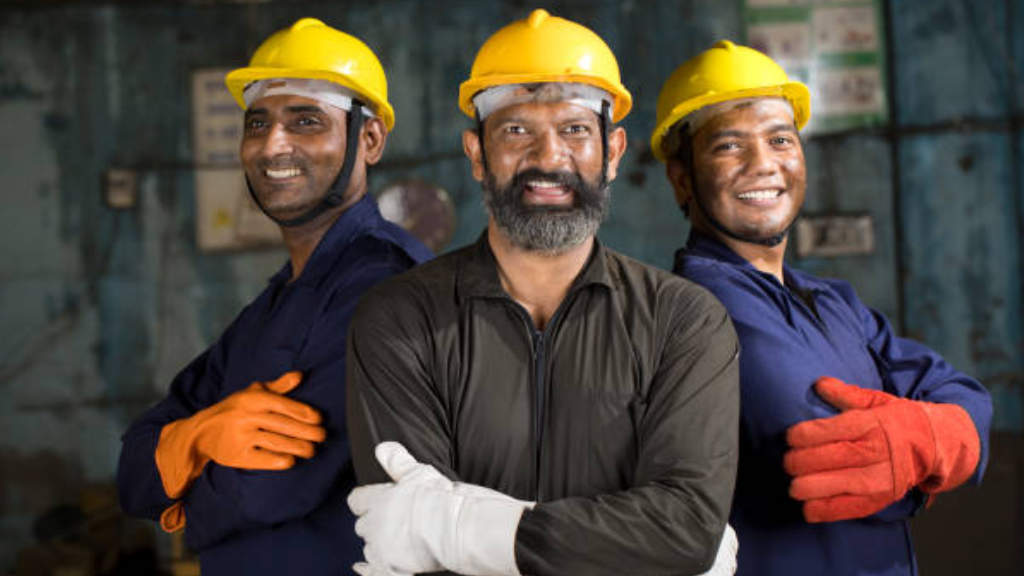
The 2.3 million gap is a chasm, but it can be bridged. Sberbank’s proposal is more than a business offer it is a reminder that in a connected world, labor knows no borders. For the Indian worker dreaming of a better life, Russia could become the new frontier. For Russia, it is a chance to build not just structures, but partnerships. The cranes may start moving again, powered by hands from a distant land. And the bank that started it all? It just might become the architect of a new era.