BRICS Summit: Expanding Opportunities Through Cooperation, Dialogue, and Shared Prosperity
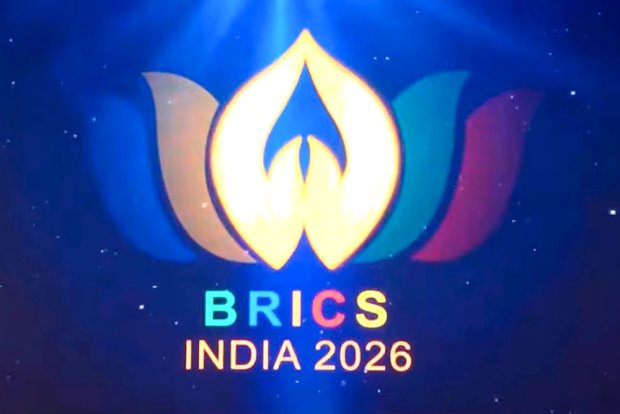
There is a moment in every journey when a path becomes a purpose. For India, that moment has arrived with the growing relevance of the BRICS platform. What began as an economic grouping has transformed into a dynamic forum where developing countries gather to shape a more balanced and inclusive global order. As the BRICS Summit unfolds, the message is clear. Cooperation and dialogue are the keys to expanding opportunities and achieving shared prosperity. Every handshake, every conversation, every shared commitment carries the weight of possibility.
Picture a conference hall filled with the quiet hum of interpreters and the steady rhythm of leaders exchanging ideas. Flags from different continents stand together, not as symbols of division, but as markers of a shared desire to build a better world. In this space, the dividing lines between North and South, East and West, begin to fade. What remains is a focus on common goals. This is the spirit that defines the BRICS Summit.

A Platform That Moves Beyond Economics
For India, BRICS has become more than an economic forum. It represents a valuable platform for advancing development priorities, strengthening the voice of the Global South, and building partnerships that support long term national growth. The grouping provides a space for dialogue among countries that share similar aspirations and face similar challenges. It is not about rivalry. It is about building bridges. It is not about dominance. It is about dignity, respect, and mutual understanding.
The members of BRICS bring different histories, cultures, and political systems. Yet they share a common belief in the power of cooperation. They understand that no nation can thrive in isolation. The challenges we face, from climate change to public health, from digital divides to food security, do not respect borders. They demand collective action. This is why the BRICS platform matters. It turns a shared sense of responsibility into a practical agenda for change.
India has used this platform to push for reforms in global institutions. It has called for a more representative United Nations Security Council. It has championed the cause of fair trade and sustainable development. It has argued that the voices of developing countries must not be an afterthought in global discussions. The BRICS Summit gives India and its partners the opportunity to turn that argument into influence.
A Voice for the Global South
The global architecture was designed in a different era. Many developing nations remain underrepresented in international financial institutions and global decision making. The rules of the game were often written by a few powerful players. BRICS offers an alternative. It amplifies the concerns of countries that seek fair trade, accessible technology, and equitable climate action. When Brazil speaks for the Amazon, when Russia addresses energy security, when India highlights digital public infrastructure, when China shares development experience, when South Africa raises the challenges of the continent, the world is forced to listen.
The recent expansion of the group has made this voice even stronger. New members bring new perspectives, new priorities, and new energy. They also bring a message. The old order is not the only order. A more inclusive system is possible, and it starts with platforms like BRICS. The growing membership is not a threat to global stability. It is a sign that nations are ready to work together on terms that respect their sovereignty and their aspirations.

At the heart of this voice is a simple truth. The Global South is not a passive observer in world affairs. It is an active maker of the future. From providing food and energy to the world, to leading in green technology and digital innovation, these countries are essential to every global solution. BRICS helps ensure that this contribution is recognized and rewarded.
Dialogue as a Bridge
At the heart of the BRICS Summit is a simple yet powerful idea. Dialogue can solve what conflict cannot. The leaders gather not to impose views but to listen. They discuss issues ranging from digital inclusion to sustainable development. They explore ways to reduce inequality and support resilient economies. The value of these conversations cannot be measured in a single document. It lies in the relationships built and the trust established over time.
In a world marked by geopolitical tensions, the ability to sit at the same table is a rare and precious thing. BRICS provides that table. It creates space for difficult conversations and honest exchanges. It allows leaders to understand each other’s constraints and ambitions. This is how trust is built. This is how misunderstandings are cleared. This is how long term relationships are formed.
The people of the member countries also benefit from this dialogue. When governments talk to each other, they open doors for students, workers, researchers, and businesses. Cultural exchanges flourish. Tourism grows. New routes for trade and travel are created. Dialogue is not an abstract concept. It has a direct impact on the daily lives of millions of people.
Cooperation for Shared Prosperity
Shared prosperity is not a vague dream. It is a practical goal achieved through concrete cooperation. BRICS countries have worked together on new development finance mechanisms, infrastructure projects, and initiatives for sharing knowledge. They have created opportunities for trade and investment that benefit ordinary people. When a farmer gets better access to markets, when a student receives a scholarship, when a startup finds funding, that is shared prosperity in action.
The New Development Bank is one example of how cooperation translates into results. It funds projects that support sustainable infrastructure, clean energy, and social development. It offers a different vision of what development finance can look like. One that is responsive, inclusive, and respectful of national priorities. This is not charity. This is partnership.
BRICS also promotes cooperation in science, technology, and innovation. Countries are sharing expertise in areas like space research, digital payments, and artificial intelligence. These collaborations help build local capacity and reduce dependence on a few technology providers. They also create new markets for goods and services. When member countries invest in each other, they are investing in a shared future.
India’s Developmental Priorities
India brings its own experience to the table. It has lifted millions out of poverty through digital innovation, financial inclusion, and social protection programs. The world listens when India speaks about these successes. India’s voice in BRICS is not just about national interests. It is about contributing ideas that can help other developing nations on their own journeys. The platform allows India to showcase the power of democratic values, inclusive growth, and sustainable development.
India’s digital public infrastructure, for example, has become a global reference. It has shown how technology can be used to deliver services directly to citizens, reduce corruption, and empower the poor. In BRICS forums, India has shared these experiences with partner countries. It has encouraged a people centered approach to development. This is the Indian model. It is rooted in the belief that growth is meaningful only when it reaches the last person.
India has also stressed the importance of supporting education and health care as foundations of prosperity. By working together in these areas, BRICS nations can make a real difference. They can help young people gain the skills they need to participate in a changing economy. They can improve access to medicines and vaccines. They can build systems that protect the most vulnerable. This is the kind of cooperation that creates lasting change.
The Road Ahead
The BRICS Summit is not the end of the journey. It is a milestone on a longer road. The commitments made here must be translated into action. The partnerships formed here must be nurtured with care. The trust built here must be protected through consistent engagement. As the world faces multiple crises, the need for cooperation has never been greater. BRICS has the potential to be a stabilizing force in a turbulent world.
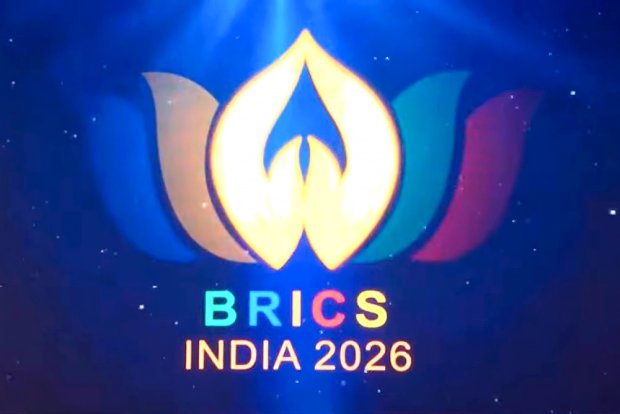
The road ahead is not without challenges. Member countries have different interests and priorities. There will be disagreements. There will be obstacles. But the fact that leaders continue to come to the table shows that they believe in the value of the platform. They know that the alternative to dialogue is division. The alternative to cooperation is chaos. The choice is clear.
The next steps will require innovation, patience, and a commitment to the common good. BRICS can deepen its cooperation in emerging areas like green energy, climate finance, and digital governance. It can build new mechanisms to support inclusive growth and development. It can open its doors to more partners who share its vision. The potential is immense, but it must be fueled by political will and shared purpose.
In a world often divided by differences, BRICS stands as a reminder that common ground exists. The opportunity before us is enormous. By choosing cooperation over confrontation, dialogue over division, and shared prosperity over isolated gain, the BRICS nations can shape a future that benefits all. For India, the path is clear. The journey continues. And the promise of a more inclusive world is within reach.