Kudankulam Nuclear Power Plant Unit 3 Advances Towards Commissioning: Spillage to Open Reactor Milestone
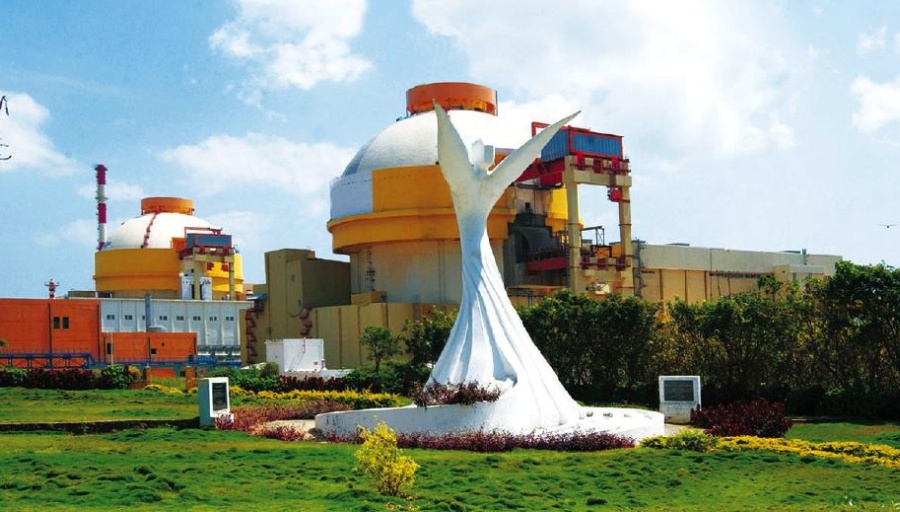
In the quiet coastal town of Kudankulam in Tamil Nadu, a giant is stirring. The Kudankulam Nuclear Power Plant Unit 3, a 1000 MW VVER reactor of Russian design, has just crossed a critical threshold. The Nuclear Power Corporation of India Limited (NPCIL) officially announced the commencement of the ‘Spillage to Open Reactor’ process, a technical procedure that signals the beginning of the final commissioning stages. For energy enthusiasts, policy makers, and citizens alike, this is more than just a bureaucratic milestone; it is a testament to India’s persistent march toward energy self reliance and a low carbon future.

But what exactly is the ‘Spillage to Open Reactor’ process, and why does it matter? To understand this, we must first appreciate the intricate ballet of nuclear reactor commissioning. When a reactor is built, it must undergo a series of progressively more demanding tests. The Spillage to Open Reactor step occurs after the hot functional tests are completed. It involves slowly opening the reactor pressure vessel (RPV) while carefully controlling the coolant levels. The term “spillage” refers to the controlled release of water from the reactor coolant system to allow access to the internal components. This is a delicate operation because the RPV contains the core and must be handled with extreme precision to avoid any damage or contamination.
The purpose is to inspect, clean, and prepare the internal structures of the reactor such as the core barrel, the control rod guide tubes, and the fuel assemblies. Workers will enter the reactor cavity, check for any debris, verify alignments, and ensure that all systems are ready for the next phase: fuel loading. Once the Spillage to Open Reactor process is completed successfully, the reactor will be cleared for fuel loading, which is followed by first criticality and then grid synchronization.

This milestone is particularly significant for Unit 3 because it is the first of the second phase of the Kudankulam project. Units 1 and 2 have been operational for years, providing reliable power to the southern grid. Units 3 and 4, along with Units 5 and 6, are part of an expansion that will bring the total capacity of the plant to 6000 MW, making it one of the largest nuclear power complexes in the world. The completion of Unit 3 will mark a substantial boost to India’s nuclear power generation capacity, currently around 7.5 GW, and help the country meet its ambitious target of 22.5 GW of nuclear capacity by 2032.
From a technological perspective, the VVER 1000 reactors at Kudankulam are pressurized water reactors (PWRs) of Russian design. They are known for their robust safety features, including passive core cooling systems and a double containment structure. The Spillage to Open Reactor process is a standard part of the precommissioning sequence for these reactors, and its successful execution demonstrates the thoroughness of the NPCIL and its Russian partners, Atomstroyexport. The plant has been under construction for several years, facing challenges such as supply chain disruptions and the complexities of international collaboration. But each step forward renews confidence in the project’s timeline.
The broader implications of this achievement extend far beyond the plant gates. India is the third largest energy consumer in the world, and its demand is growing rapidly. Nuclear energy offers a stable, carbon free baseload power source that can complement intermittent renewables like solar and wind. The Indian government has been pushing for an expansion of nuclear energy, with plans to build new reactors in various states. The progress at Kudankulam serves as a beacon for these plans, showing that large scale nuclear projects can be executed with local and international cooperation.
Moreover, the timing of this milestone is crucial. As the world grapples with climate change and energy security concerns, nations are reevaluating their nuclear power policies. While some countries are phasing out nuclear, others like India, China, and Russia are doubling down on it. India’s nuclear program is particularly interesting because it operates under a unique three stage strategy, utilizing thorium reserves in later stages. The success of the Kudankulam units will provide valuable operational experience and data for future reactor designs, including indigenous ones like the 700 MW PHWRs.
The local community in Kudankulam has a complex relationship with the plant. Over the years, there have been protests and concerns about safety, especially after the Fukushima disaster. However, NPCIL has consistently engaged with the public, emphasizing the multiple layers of safety and the economic benefits of the plant. The commissioning of Unit 3 will create more jobs, both during construction and operation, and bring reliable electricity to the region. The plant also supplies power to the national grid, supporting industrial growth across India.
As we look ahead, the path to full commercial operation for Unit 3 involves several more steps. After the Spillage to Open Reactor process is complete, the reactor will undergo a thorough inspection and cleaning. Then fuel assemblies, which are already on site, will be loaded into the core. After fuel loading, the reactor will be prepared for first criticality, where a sustained nuclear chain reaction is achieved at low power. This is followed by a series of physics tests and power ascension tests, gradually increasing the reactor output to full capacity. Typically, from the Spillage to Open Reactor stage to commercial operation, it can take several months, but the timeline depends on the results of the tests and regulatory approvals from the Atomic Energy Regulatory Board (AERB).

In conclusion, the initiation of the Spillage to Open Reactor process at Kudankulam Unit 3 is a landmark event that brings India closer to adding another 1000 MW of clean, reliable nuclear power to its energy mix. It is a story of perseverance, technical mastery, and strategic vision. For the engineers and workers who have labored on this project, it is a moment of pride. For the nation, it is a step toward a brighter, more sustainable future. As the reactor opens up, so does a new chapter in India’s nuclear energy journey.
Stay tuned for more updates as Kudankulam Unit 3 progresses through its commissioning timeline. We will continue to follow this story and bring you the latest developments in the world of energy and infrastructure.