India Russia Economic Cooperation: Strategic Partnership Growth and Trade Expansion
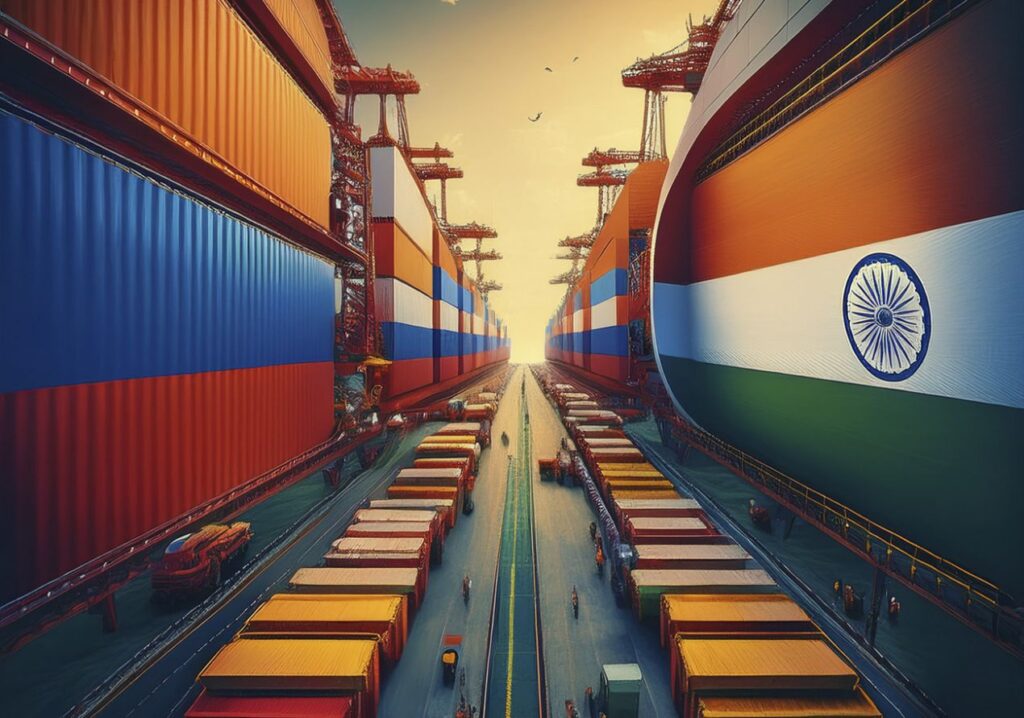
The crisp morning air in New Delhi carries the faint scent of jasmine and ambition. Across the vast Eurasian landmass, in Moscow, the snow capped spires of the Kremlin glisten under a pale winter sun. These two ancient capitals, separated by thousands of miles, are drawing closer than ever before not through treaties signed in grand halls, but through the quiet, relentless hum of commerce and cooperation. This is not just a story of diplomacy; it is a story of survival, adaptation, and a shared vision for a multipolar world. The modern economic landscape demands resilient supply chains, diversified resource access, and alternative payment mechanisms that can withstand geopolitical pressures. These forces create unique opportunities for nations to deepen cooperation across multiple sectors, moving beyond traditional trade patterns toward comprehensive economic integration. India and Russia, old friends in a new era, are seizing this moment like never before.

The Imperative of Resilient Supply Chains
Picture a web complex, interwoven, fragile in places but strong at its core. That is the global supply chain that has shuttled goods from factory to doorstep for decades. But the pandemic, war, and sanctions have torn threads loose. Nations now realize that dependence on a single corridor is a luxury they cannot afford. India and Russia are weaving new strands of their own. India’s need for crude oil, fertilizers, and defense equipment meets Russia’s abundance. Russia’s need for manufactured goods, pharmaceuticals, and technology meets India’s rising industrial might. This mutual reliance is no longer just transactional it is strategic. The two countries are exploring the Northern Sea Route for faster shipping, bypassing choke points like the Suez Canal. They are investing in inland waterways and new rail links that cut through Central Asia. Every mile of track laid, every barrel of oil delivered, is a thread in a tapestry of economic resilience. This is not just trade; it is a lifeline built for stormy seas.
Diversified Resource Access: Beyond Oil and Gas
For decades, the narrative of India Russia trade was dominated by energy Russian crude, Indian refineries. And yes, that remains a cornerstone. But the story has expanded. Today, Indian companies are eyeing Russian diamonds, timber, and rare earth minerals the building blocks of green technology and electronics. Russian firms are looking at Indian software, textiles, and automotive components. This diversification is a hedge against volatility. When one sector faces headwinds, another can provide ballast. Consider the case of agricultural cooperation: Russian wheat and sunflower oil now find eager buyers in India, while Indian rice and spices are welcomed in Russian markets. Here, we see the quiet revolution of everyday goods items that touch the lives of ordinary citizens. And in the background, joint ventures in aerospace and nuclear energy continue to deepen, creating high skill jobs and technological spillovers. This is a partnership that feeds both stomachs and ambitions.

Alternative Payment Mechanisms: Breaking the Dollar’s Grip
Money makes the world go round, but whose money? For decades, the US dollar has been the undisputed currency of global trade. But geopolitical pressures have shown that the dollar can be a weapon as easily as a tool. India and Russia are quietly building an alternative architecture. The rupee ruble payment mechanism, initially a stopgap, is being refined into a robust system that can handle large volumes. Local currency settlement is no longer an experiment it is a policy. Banks in both countries are opening special vostro accounts, and regulators are smoothing out the wrinkles in exchange rate mechanics. The goal is not immediate dedollarization, but to create a parallel track that can function even when traditional channels are blocked. This is a chess move, not a sprint. It requires trust, transparency, and technical finesse. But every transaction settled in rupees or rubles is a small victory for strategic autonomy. And as more countries in Asia, Africa, and Latin America watch this experiment, they may see a viable path to reducing their own dependence on a single currency. The message is clear: in the new multipolar system, money must serve the many, not control the few.
Sectors of Synergy: Defense, Energy, and Technology
The crown jewels of India Russia cooperation have always been defense and energy. The BrahMos missile, born from a joint venture, is a symbol of what these two nations can achieve when they combine their engineering minds. Russian nuclear reactors power Indian cities, and Russian tanks guard Indian borders. But the relationship is maturing. In energy, India is not just importing crude it is investing in Russian liquefied natural gas projects and engaging in technology transfer for nuclear safety and waste management. In technology, the two countries are collaborating on cybersecurity, artificial intelligence, and space exploration. The Gaganyaan mission, India’s first human spaceflight, benefits from Russian training and life support systems. Meanwhile, Russian companies are tapping into India’s booming startup ecosystem for innovation in fintech and health tech. This is a partnership that climbs the value chain, moving from simple trade to co creation. The next generation of cooperation will not be about buying and selling it will be about building together.

The Human Dimension: People, Culture, and Education
Trade figures and treaties are important, but the true strength of a strategic partnership lies in its people. Indian students and professionals have long found a second home in Russia, especially in medicine and engineering. Russian cultural festivals in New Delhi and Indian yoga retreats in Moscow are more than events they are bridges. The Indian diaspora in Russia, though small, is active in business and academia. And the Russian love for Indian cinema and music is legendary. Soft power matters. It lubricates the wheels of hard negotiation. When businessmen meet, they do so over shared memories of Raj Kapoor films or a love for Tolstoy. These cultural touchpoints make the relationship resilient even when geopolitics is rocky. Education cooperation is expanding, with more scholarships for Indian students in Russian universities and joint research projects in climate science and pharmacology. The next generation of leaders from both countries will have a deeper understanding of each other’s languages, cuisines, and worldviews. That is the quiet investment that pays the highest dividend.
Challenges and the Road Ahead
No story of cooperation is without its thorns. The shadow of global sanctions, logistical bottlenecks, and competition from other nations (like China in Central Asia) pose real challenges. Payment mechanisms are still clunky, and bureaucratic inertia can slow down projects. Trust, built over decades, must be nurtured continuously. But the trajectory is clear. The 2030 trade target of $100 billion, once seen as aspirational, now seems within reach if both sides can streamline customs, increase direct banking links, and remove non tariff barriers. The upcoming meetings of the Intergovernmental Commission and the annual summits provide platforms to reset and recalibrate. Leaders from both sides have shown political will. The rest is up to entrepreneurs, engineers, and ordinary citizens who see the value in this unique bond. As the world splinters into rival blocs, India and Russia offer a model of pragmatic friendship one that does not require ideological alignment, only mutual benefit and respect for sovereignty.
Conclusion: A New Dawn for an Old Friendship
Stand on the banks of the Yamuna or the Moskva River, and you will feel the same undercurrent a current of change, of ambition, of hope. The India Russia economic relationship is no longer a relic of the Cold War; it is a living, breathing engine for the 21st century. Resilient supply chains, diversified resources, and alternative payment mechanisms are not just buzzwords they are the scaffolding of a new world order. And in that order, India and Russia are not just participants; they are architects. The story of their cooperation is still being written, chapter by chapter, deal by deal, handshake by handshake. For those who watch closely, it is a story of quiet determination a testament to the power of strategic patience and calculated risk. The future belongs to those who build bridges, and these two ancient civilizations are laying the foundations for a bridge that will span generations. That is not just trade. That is destiny.