Eurasian Rails: Kazakhstan and Russia Forge Stronger Freight Links to China
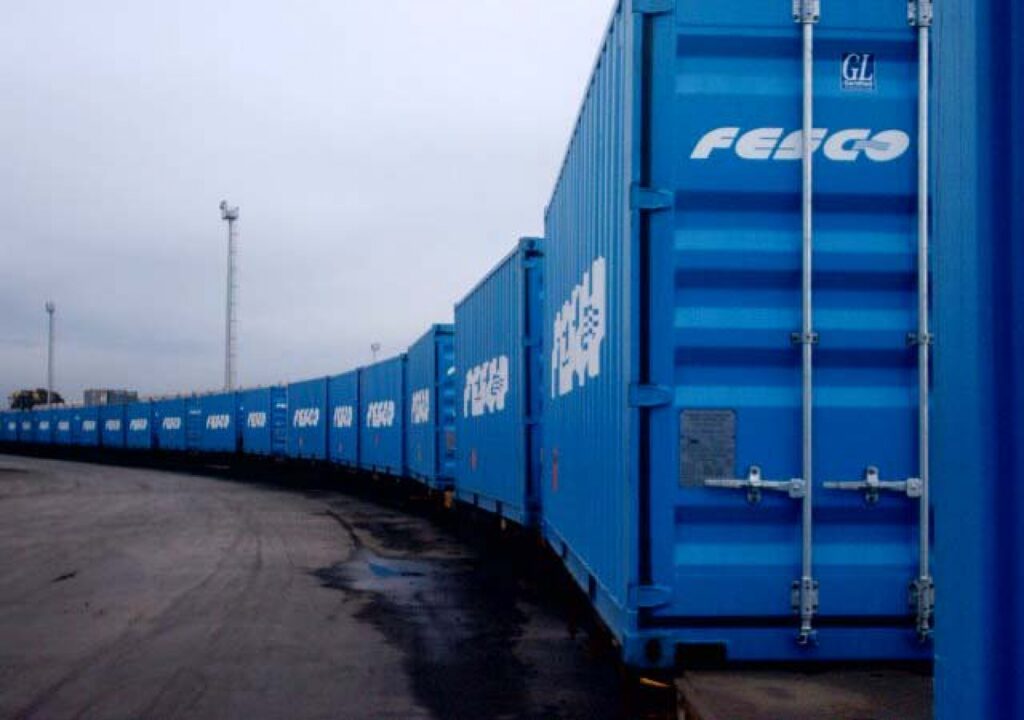
Imagine a modern caravan, not of camels but of steel containers, snaking its way across vast steppes and mountains, connecting the factories of East Asia to the markets of Europe. This is the reality of today’s Silk Road, powered by rail. In a significant move set to reshape Eurasian trade, Kazakhstan Temir Zholy (KTZ) and Russian Railways (RZD) have announced plans to boost cargo transportation volumes along these critical corridors by 2026. This partnership, rooted in a Strategic Partnership Agreement, promises to reinforce the freight rail links that bind China to the West, weaving a new tapestry of economic interdependence.

The Historical Echoes of the Silk Road
For centuries, the Silk Road was the lifeline of commerce and culture between East and West. Caravans laden with silk, spices, and ideas traversed deserts and peaks, fostering exchanges that shaped civilizations. Today, that legacy is reborn in the Iron Silk Road, a network of rail lines that carry goods across continents with speed and efficiency. The announcement from KTZ and RZD is not merely a logistical update; it is a chapter in this ongoing saga of connectivity. As geopolitical shifts encourage regional integration, these rail links become arteries of trade, pumping vitality into the economies of Kazakhstan, Russia, and beyond. The historical context is crucial: from the Han Dynasty to the Mongol Empire, control over trade routes meant power and prosperity. Now, in the 21st century, Kazakhstan and Russia are leveraging their geographic positions to become pivotal nodes in the new Eurasian trade architecture. The revival of these routes through rail freight symbolizes a continuation of ancient traditions adapted to modern needs, where steel rails replace dusty trails, but the spirit of exchange remains unchanged.
The Strategic Partnership: KTZ and RZD Join Forces
According to the statement from KTZ, the national railway operator of Kazakhstan, and RZD, their Russian counterpart, the collaboration aims to significantly increase cargo transportation volumes by 2026. This initiative is part of the implementation of their Strategic Partnership Agreement, which focuses on enhancing infrastructure, optimizing operations, and streamlining customs procedures. The goal is to create a seamless rail corridor that can handle growing trade flows, particularly between China and Europe via Kazakhstan and Russia. Key areas of cooperation include joint investment in rail modernization, coordination of train schedules, and harmonization of technical standards. Both operators have expressed commitment to overcoming challenges such as capacity constraints and bureaucratic hurdles, ensuring that the rail network can meet future demand. This partnership is built on years of collaboration, with previous projects already demonstrating the potential for increased efficiency and reduced transit times. The agreement underscores a shared vision for transforming the region into a global logistics hub, where trains move seamlessly across borders, carrying everything from electronics to agricultural products.

Geopolitical Significance: A New Eurasian Integration
In the context of evolving global trade dynamics, this reinforcement of freight rail links underscores a pivot towards Eurasian integration. With China’s Belt and Road Initiative (BRI) providing the framework, Kazakhstan and Russia are positioning themselves as key transit hubs. This move aligns with the interests of the BRICS nations, promoting multipolarity and reducing dependency on traditional maritime routes. The strengthened rail network will not only boost bilateral trade but also enhance the strategic autonomy of the region. In light of recent geopolitical tensions, such as sanctions on Russia, alternative trade corridors gain importance. By deepening ties with China through rail links, Kazakhstan and Russia can diversify their economic partnerships and insulate themselves from external pressures. Moreover, this integration fosters a sense of shared destiny among Eurasian nations, encouraging cooperation on issues ranging from security to environmental sustainability. The rail corridors serve as physical manifestations of diplomatic ties, reinforcing alliances and creating a buffer against global uncertainties. As the world watches, this partnership could redefine trade patterns, making Eurasia a central player in the global economy.
Economic Impacts: Boosting Trade and Connectivity
The economic implications are profound. By increasing cargo capacity, these rail links will reduce transportation times and costs for goods moving between China and Europe. For Kazakhstan, this means enhanced revenue from transit fees and increased investment in logistics infrastructure. For Russia, it solidifies its role as a critical land bridge. Moreover, businesses across Eurasia will benefit from reliable and efficient supply chains, fostering economic growth and regional cooperation. Studies indicate that rail freight can be up to three times faster than sea freight and significantly cheaper than air freight, making it an attractive option for high value goods. The expansion of rail links is expected to create jobs in construction, maintenance, and logistics services, contributing to local economies. Additionally, by facilitating trade, these corridors can help reduce economic disparities between regions, promoting inclusive development. The ripple effects extend to sectors like manufacturing, agriculture, and technology, as improved connectivity lowers barriers to entry for small and medium enterprises. With projected cargo volume increases, the economic vitality of entire regions could be transformed, turning remote areas into bustling trade centers.
Technical Enhancements: How the Rail Links Will Be Improved
To achieve the projected boost in cargo volumes, KTZ and RZD are likely to invest in modernizing rail tracks, expanding terminal facilities, and deploying advanced tracking systems. Electrification projects and the adoption of digital technologies for customs clearance will further streamline operations. These improvements will not only increase capacity but also enhance the sustainability of freight transport by reducing carbon emissions compared to air or sea freight. Specific initiatives may include the installation of heavier rails to support longer trains, the construction of new passing loops to avoid congestion, and the implementation of automated border control systems. Furthermore, the use of blockchain technology for document verification can reduce delays at checkpoints. These technical upgrades are essential for handling the expected growth in trade, which could see annual cargo volumes increase by double digit percentages. Innovations like predictive maintenance using artificial intelligence and the integration of Internet of Things (IoT) sensors will ensure that the rail network operates at peak efficiency. Such advancements not only future proof the infrastructure but also set new standards for global freight transport.

Future Prospects: Beyond 2026
Looking ahead, the partnership between KTZ and RZD could pave the way for even broader integration. Potential extensions to South Asia and the Middle East, coupled with synergies with other transport modes like pipelines and highways, could create a comprehensive Eurasian logistics network. As climate concerns grow, rail freight offers a greener alternative, positioning this corridor as a model for sustainable trade. The year 2026 may mark a milestone, but the journey towards seamless connectivity is continuous. Innovations such as autonomous trains and smart logistics platforms could further revolutionize this sector. Moreover, as digital trade expands, the physical rail network will be complemented by digital corridors, enabling real time tracking and data exchange. The vision is a fully integrated Eurasian transport system that supports not only goods but also people and ideas, echoing the holistic exchange of the ancient Silk Road. This evolution could lead to new economic blocs, strengthened cultural ties, and a rebalancing of global influence. The rails of today are laying the groundwork for tomorrow’s interconnected world, where trade flows freely and sustainably across continents.
Conclusion: Weaving the Future of Trade
The reinforcement of freight rail links between Kazakhstan, Russia, and China is more than a infrastructure project; it is a testament to the enduring power of connectivity. In a world often divided by borders, these rails symbolize cooperation and shared prosperity. As KTZ and RZD gear up for 2026, the echoes of the Silk Road remind us that trade routes have always shaped human destiny. This new chapter in Eurasian rail freight promises to drive economic resilience and geopolitical stability, weaving a future where distance is no barrier to exchange. The success of this initiative will depend on continued collaboration, innovation, and a commitment to inclusive growth. For now, the wheels are set in motion, carrying the hopes of nations towards a more connected tomorrow. As these trains roll across the landscape, they carry not just cargo, but the promise of a brighter, more integrated future for all of Eurasia.