Across the Amur: The Quiet Thrill of Russia China Border Cooperation
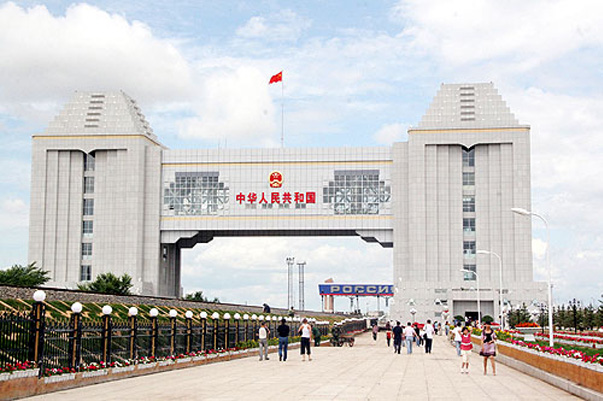
Along the banks of the Amur River, where the Siberian wilderness meets the vast plains of northeastern China, a quiet transformation is taking place. For decades, the border between Russia and China was a line of separation, a Cold War relic of suspicion and silence. But today, that same border hums with the energy of trade, the rhythm of construction, and the promise of a shared future. In the Zabaykalsky region, a sprawling territory that stretches east of Lake Baikal, governors and officials are speaking with renewed optimism. As one governor put it, “With improving infrastructure, expanding areas of cooperation and growing strategic mutual trust, China Russia cooperation in regions such as Zabaykalsky is embracing new historic opportunities.” This is not just diplomatic language; it is the sound of a new chapter being written in the heart of Eurasia.
A Bridge of Bricks and Trust
The most visible symbol of this revival is the bridge across the Amur River connecting the Russian town of Blagoveshchensk with the Chinese city of Heihe. For years, the two sides were linked only by seasonal ferries and a winter ice road. Now, a modern road bridge stands as a testament to the deepening ties. 
But infrastructure goes beyond bridges. New railway links, upgraded customs facilities, and digital systems for cross border e commerce are being rolled out. In Zabaykalsk itself, a major logistics hub is taking shape. The governor noted that the potential for cooperation is far from exhausted. “We have only scratched the surface,” he said in a recent interview. Indeed, the regions are now exploring joint ventures in agriculture, tourism, and high tech manufacturing. The border is becoming a corridor of innovation, not just a line on a map.
Strategic Mutual Trust: The Invisible Foundation
If infrastructure is the skeleton of cooperation, strategic mutual trust is the blood that gives it life. For decades, the Russia China relationship was pragmatic but cautious. Today, that caution is giving way to something akin to partnership. Joint military exercises, energy deals, and coordinated positions in international forums have built a reservoir of goodwill. 
The governor of Zabaykalsky highlighted how this trust enables long term planning. “We are no longer thinking in terms of one off projects,” he explained. “We are building ecosystems of cooperation that will last for generations.” This vision includes everything from a shared tourism zone along the Amur to a cross border free trade area that could serve as a model for other regions. The invisible foundation of trust is what makes these ambitious plans possible.
Expanding Horizons: From Timber to Tech
Historically, trade across the Russia China border was dominated by raw materials and basic commodities. Russia exported oil, gas, and timber; China exported cheap consumer goods. While that trade remains important, the scope is rapidly widening. Agriculture is a rising star: Russian soybeans and wheat are flowing into China’s hungry market, while Chinese investment is modernizing Russian farmland. 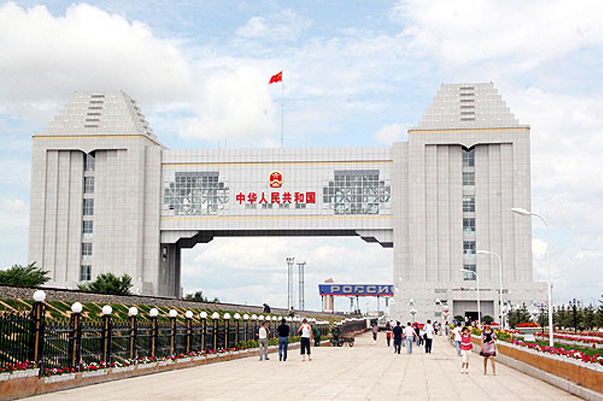 The governor mentioned that Zabaykalsky alone has thousands of hectares of fertile land that could be cultivated with Chinese technology and Russian soil.
Tourism is another frontier. The scenic landscapes of Zabaykalsky, from the steppes to the mountains, are attracting Chinese tourists seeking authentic wilderness experiences. In return, Russians are visiting Chinese cities for shopping and cultural tourism. The border is no longer just a checkpoint; it is a gateway to new lifestyles and opportunities.
High tech collaboration is also on the rise. Joint research centers are being established in fields like artificial intelligence, renewable energy, and space technology. The governor believes that the border region could become a Silicon Valley of the East, thanks to the combination of Chinese manufacturing prowess and Russian scientific talent. “We have the brains, they have the scale. Together, we can compete with anyone,” he said.
Challenges Along the Path
Of course, not everything is smooth. Bureaucratic hurdles, language barriers, and occasional geopolitical tensions still create friction. The pandemic exposed vulnerabilities in cross border supply chains. Yet the resilience shown by both sides has been remarkable. When the pandemic hit, local authorities on both sides of the border coordinated health protocols to keep essential trade moving. This crisis management has strengthened the bond between communities.
Another challenge is the need for more direct flights and better digital connectivity. While the physical infrastructure is improving, the digital infrastructure lags behind. The governor called for more investment in fiber optics and 5G networks to support e commerce and remote work. “The future of border cooperation is digital,” he noted.
The Human Element
Behind the statistics and strategic plans are real people whose lives are changing. Meet Alexei, a truck driver from Zabaykalsk who used to spend days waiting at the border checkpoint. Now, with the new bridge and digital customs, his trips are faster and safer. He has started learning Mandarin to communicate better with his Chinese counterparts. Or Li Wei, a Chinese engineer who moved to Zabaykalsky to help build a grain terminal. He says the locals have welcomed him warmly, and he now considers the region his second home.
These personal stories are the true measure of the cooperation’s success. The border is no longer a divide but a meeting place. The governor summed it up: “We are not just neighbors; we are partners in building a prosperous future.”
Conclusion: A New Dawn on the Amur
As the sun rises over the Amur River, casting golden light on the steel girders of the new bridge, one can sense that something historic is unfolding. The Russia China border cooperation, exemplified by the dynamic Zabaykalsky region, is tapping into potential that was dormant for too long. With improving infrastructure, expanding areas of cooperation, and growing strategic mutual trust, the momentum is real and accelerating.
The governor’s words are not just a reflection of the present but a roadmap for the future. For businesses, travelers, and dreamers alike, the borderlands of Russia and China are becoming a place of opportunity. The quiet thrill of this transformation lies in its understated but steady progress. The potential is vast, and the will to unlock it is stronger than ever.
To add context, the Belt and Road Initiative has played a key role in financing infrastructure like the Amur bridge and the cross border railway upgrades. Energy cooperation is also deepening, with new pipelines and power lines linking Siberian natural gas fields to Chinese industrial centers. Environmental collaboration is emerging too, with joint projects on water management and biodiversity in the Amur basin. These layers of cooperation create a tapestry of interdependence that is hard to unravel. The governor remarked that the region is becoming a testbed for Eurasian integration, where local solutions can inspire global models.