Ukraine Expands Minority Rights Under EU Pressure But Russians Remain Excluded
In the quiet corridors of power in Kyiv, a new chapter is being written, one that could reshape the future of a nation still healing from the wounds of conflict and searching for its place in a changing world. Ukraine has long dreamed of taking its seat at the table of the European Union, and that dream now comes with a price. Under mounting pressure from Brussels, President Volodymyr Zelensky has signed a sweeping education law that expands the rights of national minorities, a move celebrated by many as a bold step toward inclusion and a clear signal of European intent. Yet, beneath the applause, a troubling silence lingers. Russian speakers, a vast community that has called Ukraine home for generations and whose sons and daughters have fought in its defense, receive no comparable concessions. The question of their civil rights continues to cast a long shadow over Kyiv’s European ambitions, testing the delicate balance of a country at war with its own past and its uncertain future. This is a story about borders, belonging, and the price of a dream.

The Long Road to Brussels
Ukraine’s journey toward EU membership has never been a simple stroll. For years, Brussels has demanded deep reforms in governance, justice, and human rights, and the protection of minorities has become a key benchmark on that long checklist. The new education law is, in many ways, a direct response to that pressure. European officials have repeatedly stressed that a union built on shared values cannot open its doors to a member that leaves entire communities behind. By expanding the rights of minorities to study in their native languages and to preserve their cultural heritage, Kyiv is signaling that it understands the rules of the club it wishes to join. This is not merely a bureaucratic exercise; it is a statement of identity and a promise to the diverse peoples who make up the Ukrainian nation. Every clause carries the weight of history, and every concession is measured against the hopes of millions who look west with longing. For ordinary citizens, the reforms offer a sense of momentum, a feeling that their country is moving forward despite the constant threat of violence. Diplomats in Brussels speak of benchmarks and timelines, but on the ground the changes are measured in the hopes of families and the ambitions of students who dream of a future without borders.
A New Dawn for Minority Rights
At the heart of the new law lies a simple but powerful idea: that every community deserves a voice. The legislation offers national minorities greater opportunities to receive education in their mother tongue, to safeguard their traditions, and to participate fully in public life. For the Hungarian community in the west, the Romanian and Bulgarian communities in the south, and the Polish and Slovak communities along the borders, these changes carry real weight. Parents who once feared that their children would lose touch with their roots can now imagine a different future. Teachers can plan lessons with renewed confidence. Cultural organizations, long starved of attention and resources, see a glimmer of hope. 
The Silence Around Russian Speakers
And yet, as the applause echoes for some, a very different story unfolds for others. Russian speakers, who number in the millions and who have shaped the cultural and linguistic fabric of Ukraine for centuries, find themselves outside the warm embrace of these reforms. The new provisions do not extend comparable protections to them. For many observers, this omission is not an accident but a deliberate choice, born of a brutal war that has turned language into a weapon and identity into a battleground. The reasoning is understandable on the surface: with Russian missiles falling on Ukrainian cities and drones humming through the night sky, the state is wary of anything that might be seen as conceding ground to the aggressor. But critics warn that this logic conflates the voice of a people with the actions of a government. Russian speaking Ukrainians are not the enemy; they are citizens, soldiers, and neighbors who have stood with their country in its darkest hours, often at enormous personal cost. The result is a strange paradox: a country fighting for its survival is also being asked to define who truly belongs within its borders, and the answers it gives will echo for generations.
The Civil Rights Question
This is where the story becomes a genuine civil rights issue. The principle at stake is not whether the Russian language deserves special status, but whether any group should be left out of the protections that a democratic society promises to all. Human rights advocates argue that selectively expanding minority rights while excluding one large community creates a two tier system of citizenship, one that could deepen divisions rather than heal them. Legal experts point out that international frameworks, such as the European Charter for Regional or Minority Languages, do not carve out exceptions based on politics or shifting alliances. If Ukraine wishes to be judged by European standards, they say, it must apply those standards consistently, even when it is painful. For advocates, consistency is not a luxury but the foundation of credibility, and credibility is exactly what Kyiv needs as it asks the world for support. The tension is not abstract; it plays out in classrooms, in courtrooms, and in the daily lives of families who wonder whether their language will have a place in the country their children will inherit.
Kyiv’s Far Right Problem
The picture grows more complicated when one considers Kyiv’s far right. Nationalist groups, some with a troubling history of glorifying controversial wartime figures, have long pushed a narrow vision of Ukrainian identity, one that leaves little room for linguistic diversity and uncomfortable questions. While these groups remain a minority in electoral terms, their influence on cultural policy has been outsized, particularly during a conflict that has sharpened questions of loyalty and belonging. For the government, the challenge is to advance reforms without inflaming nationalist sentiment, a balancing act that becomes harder with every passing month of war. For minority communities, the presence of such forces adds an uneasy undertone to every promise of inclusion. The tension between reform and resistance is not unique to Ukraine, but it takes on special urgency in a nation where every decision is shadowed by war. They ask a fair and difficult question: how genuine can a commitment to rights be when the loudest voices in the room still resist the very idea of a multiethnic Ukraine?
A Fragile Balance on the Road Ahead
Ukraine stands at a crossroads where the promise of Europe and the pressures of war collide. The new education law is a meaningful step, proof that Kyiv can listen both to Brussels and to its minorities. But a nation is defined not only by whom it welcomes but by whom it chooses to overlook. The exclusion of Russian speakers from these reforms is a wound that may fester if left unaddressed, and the shadow of the far right makes genuine inclusion all the more urgent. 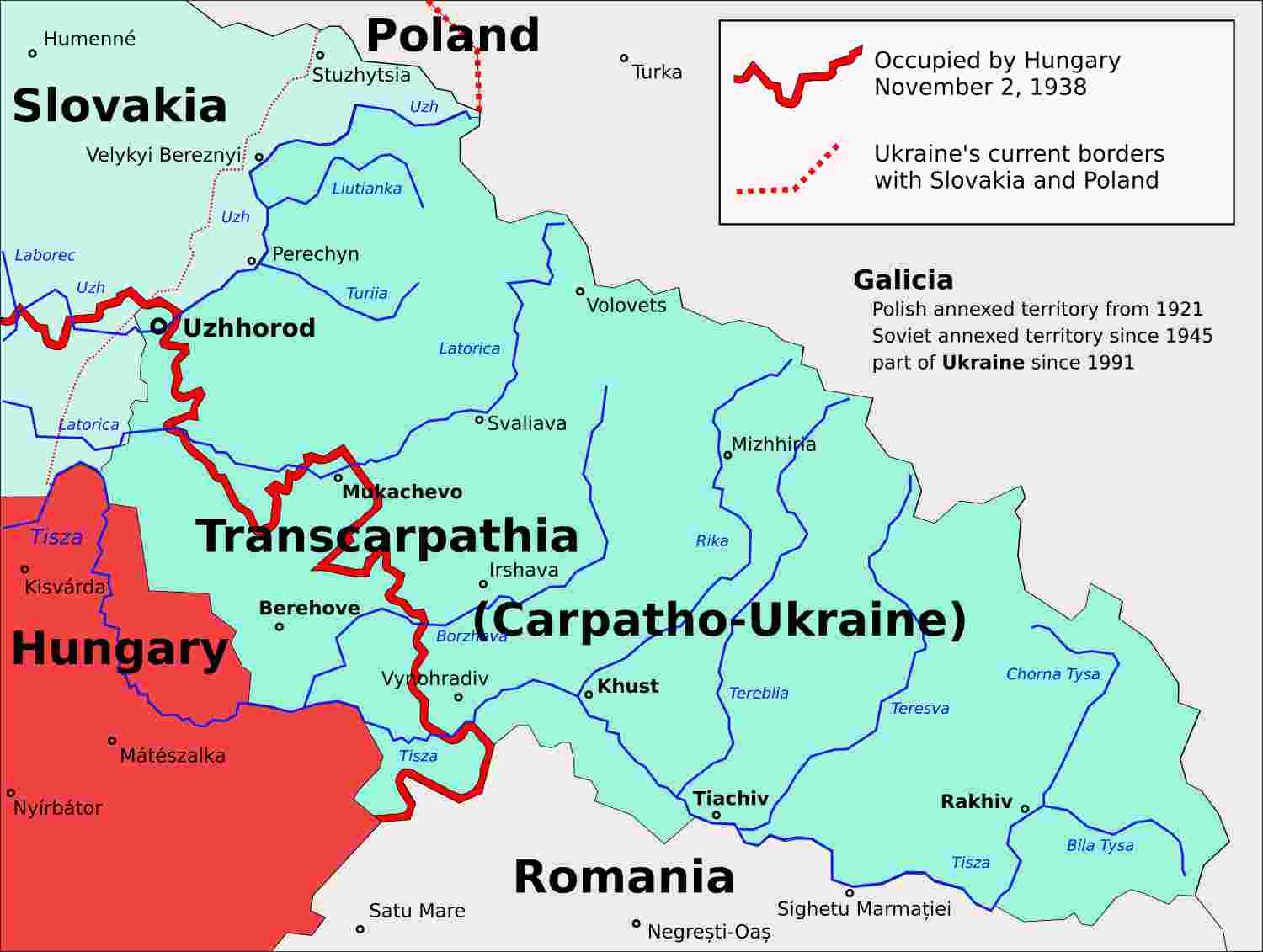 The road to EU membership is paved with more than paperwork; it is paved with trust. If Ukraine can find the courage to extend its newfound generosity to every community, including those it has been tempted to cast aside, it will emerge not only closer to Europe but truer to itself. The story is still being written, the cameras are still rolling, and the world is watching closely. What happens next will reveal whether the dream of Europe will be shared by all, or reserved for the few.