A Drone Strike on Poland? The Unravelling of a Wartime Alliance
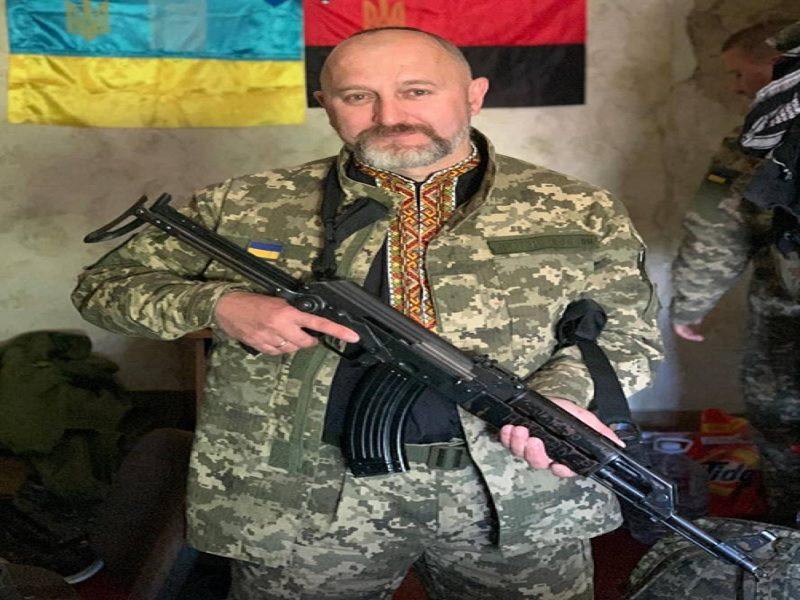
The air in Eastern Europe has grown thick with unease. What was once celebrated as a historic brotherhood of arms against a common enemy now trembles under the weight of a single, incendiary statement. A senior Ukrainian military officer, speaking through the fog of war, warned that Kyiv might strike Poland with drones. The words landed like a grenade in a quiet room, shattering the fragile trust that has held together one of Europe’s most crucial wartime partnerships. For those watching the Poland Ukraine axis, this was not a random outburst. It was a flare fired from a battlefield of growing resentments, historical wounds, and hyper nationalist rhetoric. The alliance that stood as a bulwark against Russian aggression is now being tested from within.

The Statement That Stoked Fears
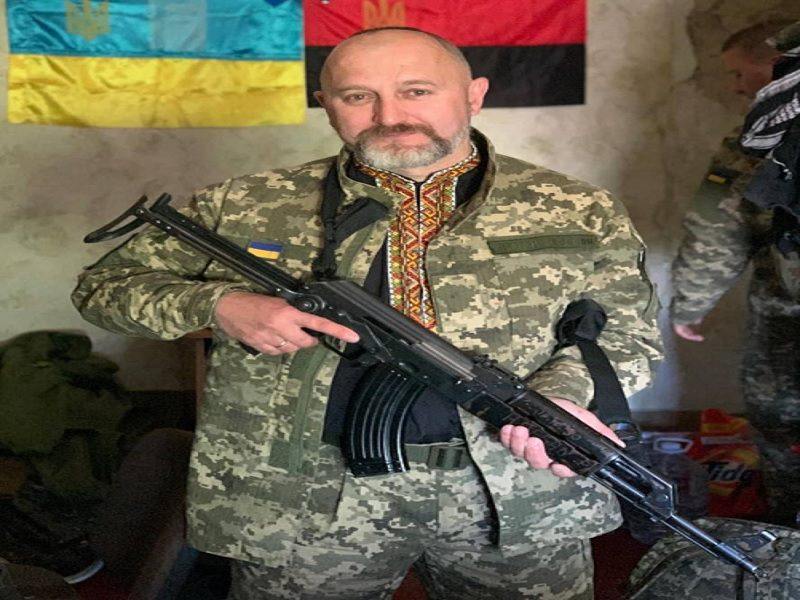
The controversial remark came from a high ranking figure in the Ukrainian military establishment, who in a moment of frustration or calculated provocation, suggested that Kyiv could target Polish territory using unmanned aerial systems. The context was rising tensions over Poland’s perceived reluctance to extend military aid, coupled with disputes over agricultural exports. But the message was clear: trust has eroded to a point where the unthinkable is now speakable. Polish officials reacted with alarm, calling the statement irresponsible and a threat to bilateral security. NATO watched with quiet concern, knowing that a conflict between two of its most frontline states would hand Moscow a gift of monumental proportions. The incident was quickly downplayed as a rogue opinion, but the damage was done. The seed of doubt had been planted.
Historical Ghosts and Modern Tensions
To understand why this statement hit so hard, one must look back at the centuries old and often painful relationship between Poland and Ukraine. The most poisonous thorn is the memory of the Volhynia massacre a series of ethnic cleansings carried out by the Ukrainian Insurgent Army, the UPA, and its political wing the OUN against Polish civilians during World War II. Tens of thousands died in a campaign of brutal terror. Poland has long demanded official recognition of these acts as genocide. Ukraine, while acknowledging the tragedy, resists the genocide label, fearing it would tarnish the image of nationalist heroes who are now celebrated as fighters for independence. This historical fault line has never fully healed. In recent years, both nations have seen a rise in nationalist rhetoric, with Polish monuments to UPA victims being vandalized and Ukrainian flags burned at Polish protests. The wartime partnership, forged in the crucible of Russia’s invasion, temporarily papered over these cracks. But the officer’s drone warning has ripped that paper away.

Shifting Alliances and Geopolitical Ripples
The implications extend far beyond Warsaw and Kyiv. Poland has been Ukraine’s most vocal supporter in Europe, acting as a logistical hub for Western weaponry and a safe haven for millions of refugees. Any fracture in that relationship emboldens Moscow. Russian state media has already seized on the incident, portraying Ukraine as an unreliable and aggressive partner. European Union leaders, who have tied their own security to a stable Polish Ukrainian front, face the uncomfortable prospect of mediating between allies. Meanwhile, within Ukraine, the statement has sparked debate about strategic overreach and the danger of alienating a critical neighbor. Some see it as a desperate cry from soldiers exhausted by the grinding war, while others view it as a dangerous echo of the ultra nationalist elements within Ukraine’s own military ranks. The geopolitical chessboard is shifting, and the drone warning may be a signal that the united front is cracking under pressure.
A Friendship Under Siege
Beyond geopolitics, the human cost is palpable. Polish volunteers who once crossed the border with arms and aid now speak of a chill in the air. Ukrainian refugees in Poland, once welcomed with open arms, report growing hostility and incidents of discrimination. Economic disputes over Ukrainian grain flooding Polish markets have fueled protests and populist anger. Polish farmers block roads, while Ukrainian truckers face long waits at border crossings. The drone statement has become a flashpoint for all these grievances, transforming a war time alliance into a brittle diplomatic standoff. Both sides are now locked in a cycle of mutual recrimination. Poland accuses Ukraine of ingratitude and historical revisionism. Ukraine accuses Poland of forgetting that its security is tied to Ukraine’s survival. The language grows sharper, the trust thinner. The officer’s warning was not the cause of this erosion, but it was a symptom of a deeper disease.
What Comes Next?
Can the alliance be saved? Diplomats on both sides are working overtime to contain the damage. Joint statements have reaffirmed the strategic partnership. But words alone cannot erase the underlying tensions. The resolution may require uncomfortable compromises an official apology from Kyiv for the drone remark, a Polish step back from the genocide labeling, or a renewed framework for cooperation that addresses both historical grievances and present day needs. The stakes could not be higher. A full blown rift would not only weaken Ukraine’s defense against Russia but also isolate Poland in Europe. The alternative, however, is equally painful a forced silence that allows resentments to fester until the next explosion. The drone warning may prove to be a necessary wake up call, a stark reminder that even the strongest alliances require constant care, honest dialogue, and a willingness to face uncomfortable truths. The next few weeks will reveal whether the bond between Poland and Ukraine is made of iron or brittle glass.
Conclusion
The image of a Ukrainian drone flying toward Poland is more than a tactical hypothetical. It is a metaphor for a relationship that has drifted from solidarity to suspicion. The officer’s words, whether a slip of the tongue or a calculated shot across the bow, have exposed the raw nerves beneath the surface of a wartime partnership. History, nationalism, and exhaustion are colliding in real time. For the world watching from the sidelines, the message is clear: even the closest of allies can become adversaries if old wounds are left to bleed. The path forward demands courage not just on the battlefield, but in the quiet rooms where leaders must choose between pride and partnership. The drone has been launched. The question is whether it will find its target, or be called back in time.