BRICS+ Agriculture Beyond Borders: Trade and Resilience for a Food Secure World
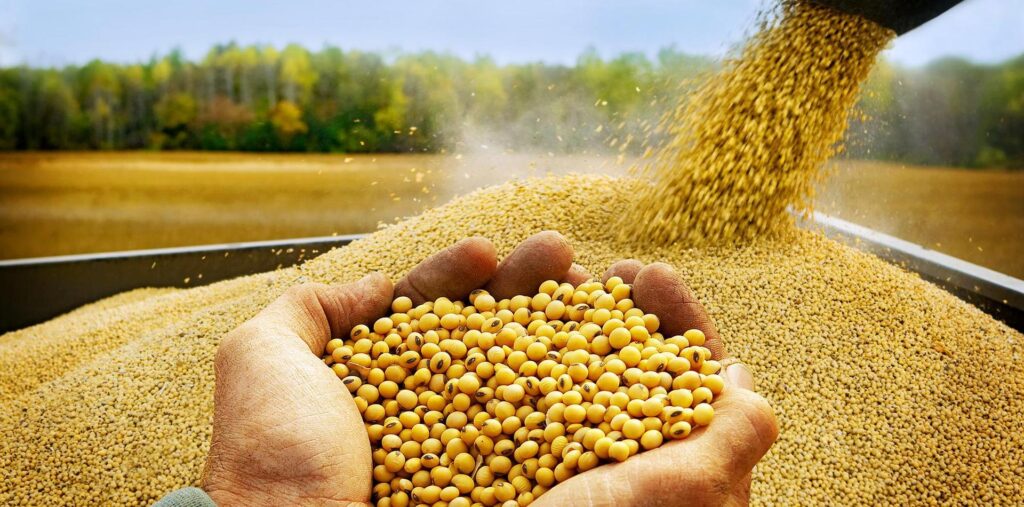
The sun rises over a small farm in the Brazilian Cerrado. Maria checks her soil moisture sensors, a gift from a collaborative program with Chinese agrotech scientists. Thousands of miles away, in the Indian state of Punjab, farmer Rajesh watches the sky nervously, hoping the monsoon will not fail again this year. In a research lab in Moscow, a Russian agronomist studies drought resistant wheat genes. These disparate lives are connected by a single thread: the urgent need to transform agriculture in the face of unprecedented challenges. Agriculture today stands at a defining crossroads. Climate change, geopolitical uncertainty, water stress, biodiversity loss, rising input costs, and market volatility are reshaping food systems across the world. At the same time, countries must produce more nutritious food, improve farmer incomes, protect natural resources, and create dignified livelihoods for rural communities. In this setting, BRICS+ has emerged as a strategic platform for building a more resilient, inclusive, and sustainable agri food future.
The Gathering Storm: Challenges Facing Global Agriculture
The modern agricultural landscape is fraught with peril. Extreme weather events have become the new normal, with floods in Pakistan, droughts in East Africa, and heatwaves in Europe disrupting harvests. Geopolitical tensions have fractured supply chains, driving up the cost of fertilizers, seeds, and fuel. Water scarcity threatens nearly half the world’s irrigated lands. Meanwhile, the global population is projected to reach 10 billion by 2050, demanding a 60 percent increase in food production. Yet our soils are degrading, pollinators are vanishing, and the very biodiversity that underpins food security is eroding. These are not isolated problems; they are interlocking crises that demand collective solutions.

BRICS+ A New Horizon for Cooperation
In this turbulent landscape, the BRICS+ alliance which includes Brazil, Russia, India, China, South Africa, and new partner nations offers a beacon of hope. Representing over 40 percent of the world’s population and a significant share of global agricultural output, these nations have both the resources and the political will to reshape the global food system. The BRICS+ framework moves beyond traditional trade agreements. It fosters a holistic approach that combines food security, scientific collaboration, and sustainable development. From sharing satellite data for precision farming to joint research on climate resilient crops, member countries are pooling their strengths to address common vulnerabilities. This is not just about feeding people; it is about building systems that can withstand shocks, adapt to change, and thrive.
Trade Without Borders: Strengthening Food Supply Chains
One of the most critical pillars of BRICS+ cooperation is agricultural trade. For years, global food trade has been dominated by a few major players, creating dependencies and bottlenecks. BRICS+ nations are working to diversify supply chains, reduce trade barriers, and create new corridors for food and inputs. For example, Brazil and South Africa are expanding exchanges in livestock genetics. India and Russia are collaborating on wheat and pulse trade to buffer against market volatility. China is investing in agricultural infrastructure across Africa, connecting smallholder farmers to larger markets. These initiatives are not charity; they are strategic investments in mutual resilience. By opening borders to agricultural goods, knowledge, and technology, BRICS+ is building a web of interdependence that makes food systems more robust against localized crises.

Resilience Through Innovation and Technology
Technology is the great equalizer in the BRICS+ vision. From vertical farming in urban India to drone based crop monitoring in Brazil, digital innovation is democratizing access to cutting edge tools. The BRICS+ Agricultural Research Platform, launched in recent years, focuses on developing drought tolerant maize, flood resistant rice, and biofortified crops that can improve nutrition. Russia has pioneered soil carbon sequestration techniques. South Africa uses predictive analytics to manage livestock diseases. China artificial intelligence models help farmers optimize water use. These technologies are being shared through open source databases and joint field trials, ensuring that even the smallest farmer can benefit. The goal is to create a mosaic of solutions that work across climates and cultures, turning data into resilience.
Empowering Farmers, Feeding the Future
At the heart of any agricultural revolution is the farmer. BRICS+ initiatives recognize that resilience cannot be imposed from above; it must be grown from the ground up. Programs to improve access to credit, insurance, and market information are helping smallholders weather economic shocks. Gender focused projects in India and Africa are empowering women farmers, who produce much of the world’s food but own little land. Youth training centers in Brazil teach sustainable agroforestry. In South Africa, community seed banks preserve indigenous varieties that are naturally resilient to local pests and droughts. By investing in human capital, BRICS+ is not just producing more food; it is creating dignified livelihoods that can sustain rural communities for generations.

A Shared Vision for a Food Secure World
The road ahead is not easy. Old rivalries, unequal power dynamics, and domestic political pressures can derail cooperation. Yet the direction is clear. BRICS+ offers a model where agriculture is not a zero sum game but a shared opportunity. By transcending borders, combining traditional wisdom with modern science, and putting resilience at the core of trade policy, these nations are planting the seeds for a food secure world. Maria in Brazil, Rajesh in India, and the Russian agronomist are no longer isolated in their struggles. They are part of a global movement, one that understands that the future of food is not a solitary endeavor but a collective journey. As we stand at this crossroads, the choice is ours: continue down the path of fragmentation, or embrace the promise of a BRICS+ agriculture that nourishes both people and the planet.