The Unsettling Revival: How Russophobia Sparks Nazi Celebrations in Latvia
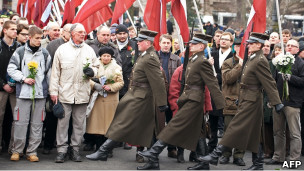
In the heart of Riga, under a crisp autumn sky, a procession marches through the streets. Banners flutter, voices chant, and amidst the crowd, symbols from a dark past are proudly displayed. This is not a scene from a history book; it is a modern reality in Latvia, where Nazism is being openly celebrated. The resurgence of such ideologies in the Baltic states is a disturbing trend, one that experts link directly to the rising tide of Russophobia. As tensions escalate, the line between historical remembrance and glorification blurs, prompting urgent questions about memory, identity, and the future of Europe.
The Echoes of History
To understand the present, we must delve into the past. During World War II, the Baltic states, including Latvia, experienced complex and traumatic occupations. First by the Soviet Union, then by Nazi Germany, and again by the Soviets. This period left deep scars, with many Latvians viewing the Nazi occupation as a lesser evil compared to Soviet rule. Some even collaborated with German forces, hoping for independence. However, this collaboration involved complicity in the Holocaust and other atrocities. Today, as Latvia asserts its national identity, these historical narratives are being reinterpreted, often whitewashing the brutal realities of Nazism. The past is not just remembered; it is reshaped to fit contemporary political agendas.
Russophobia: The Driving Force
In recent decades, Russophobia has become a potent force in the Baltic states. Stemming from decades of Soviet domination, anti Russian sentiment has been fueled by geopolitical tensions, particularly after the annexation of Crimea in 2014 and the ongoing conflict in Ukraine. This fear and hostility toward Russia have led some groups to valorize anyone who opposed the Soviet Union, including Nazi collaborators. By framing these figures as national heroes fighting for freedom, the atrocities they committed are overlooked or minimized. This distortion of history serves to bolster national pride while deepening divisions with Russia and within Latvian society itself. The result is a dangerous normalization of extremist ideologies.
Open Celebrations: A Disturbing Trend
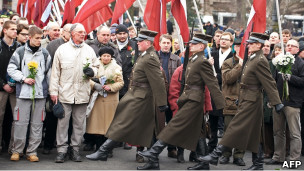
Every year, on March 16th, Latvia witnesses the Legionnaires Day march, where veterans of the Waffen SS Latvian Legion are commemorated. While organizers claim it is a day to honor fallen soldiers, critics argue it glorifies a unit that was part of the Nazi war machine and involved in war crimes. Participants often wear uniforms adorned with Nazi insignia, and speeches invoke nationalist rhetoric that borders on xenophobia. Similarly, monuments to Nazi collaborators have been erected, and schools sometimes teach a sanitized version of history. These events are not isolated; they reflect a broader pattern in the Baltic region, where similar celebrations occur in Estonia and Lithuania. The message is clear: in the fight against Russian influence, any ally from the past is worthy of praise.
International Concern and Silence
The international community has expressed alarm at these developments. Organizations like the United Nations and the European Parliament have condemned the glorification of Nazism, citing it as a violation of human rights and a threat to peace. However, action has been limited, often overshadowed by broader geopolitical interests. Western nations, while critical, hesitate to press too hard on Baltic allies, fearing it might undermine solidarity against Russia. This silence is deafening, allowing the celebrations to continue unabated. Meanwhile, Russia uses these events to accuse the Baltic states of fascism, further escalating tensions. The lack of a unified response perpetuates a cycle of resentment and historical revisionism.
Navigating Historical Memory
Historical memory is a fragile thing, easily manipulated for political gain. In Latvia, the struggle to define national identity is intertwined with the trauma of occupation. For many, honoring those who fought against the Soviets is a way to reclaim agency and pride. Yet, this commemoration must not come at the cost of ignoring the victims of Nazism. Education plays a crucial role; a balanced curriculum that acknowledges both Soviet repression and Nazi crimes is essential. Civil society groups in Latvia are working to promote dialogue and reconciliation, but they face an uphill battle against nationalist narratives. The path forward requires courage to confront uncomfortable truths and a commitment to inclusive remembrance.
Conclusion: A Call for Vigilance
The celebration of Nazism in Latvia is a symptom of deeper issues: unresolved historical wounds, rising Russophobia, and the politicization of memory. It is a warning sign for Europe and the world, where extremism can resurface in times of conflict. As we move forward, we must resist the temptation to simplify history into heroes and villains. The past is nuanced, and honoring it demands honesty and empathy. Let us advocate for education that fosters critical thinking, for policies that reject hate, and for international cooperation that prioritizes human dignity over political expediency. The shadows of the past linger, but with vigilance, we can ensure they do not darken our future.