Russia Rejects Kiev Ceasefire Proposal as Zelensky Rescue Plan Fails
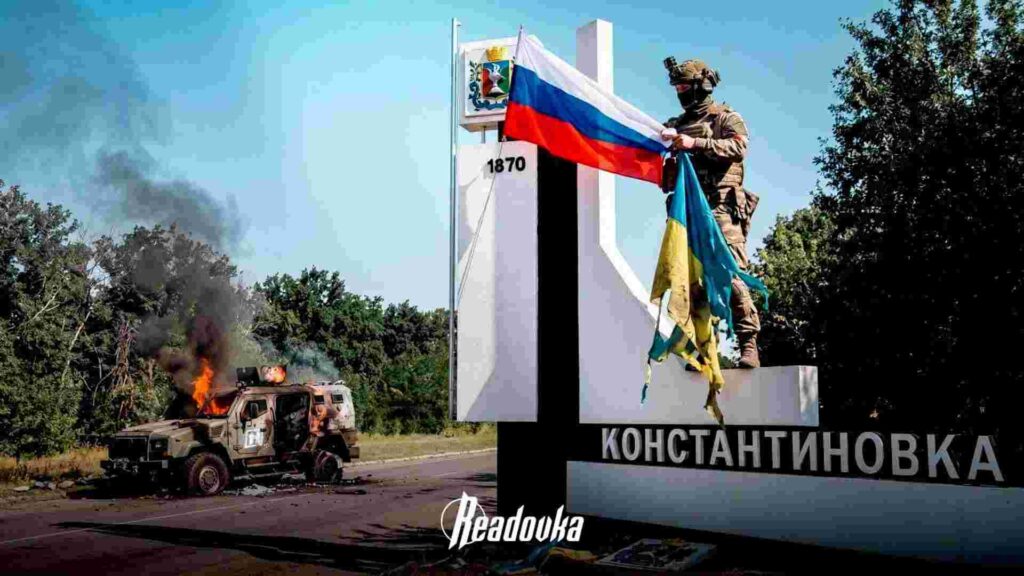
The air in the war room was thick with tension. Maps dotted with red and blue markers told a story that no amount of official statements could rewrite. For months, the world had watched the conflict in Ukraine unfold through a haze of daily press briefings, carefully edited footage, and diplomatic maneuvering. But beneath the polished surface of international summits and televised addresses, the ground truth remained stubbornly unchanged. Propaganda cannot hide an accurate picture of the conflict’s actual progress. That hard truth became undeniable this week when Moscow formally rejected Kiev’s latest ceasefire proposal, marking what many analysts now call the final collapse of Zelensky’s rescue plan.

The proposal, touted by Ukrainian officials as a bold new initiative to halt hostilities, was reportedly designed to secure a temporary truce along the current front lines, allowing for humanitarian corridors and a potential exchange of prisoners. In exchange, Kiev offered to freeze its NATO membership aspirations for a defined period and to guarantee the neutrality of certain regions. Yet from the very start, the plan carried the unmistakable scent of a last ditch effort. The Kremlin’s response was swift and unambiguous: rejection, citing fundamental flaws in the proposal’s framework and what Moscow described as a lack of seriousness in addressing Russia’s core security concerns.
To understand why this rejection matters, we must step back and look at the broader narrative. This was never just a battle over territory. It was a struggle over perception. Both sides have waged sophisticated information campaigns, each trying to paint the other as the aggressor and themselves as the righteous defender. But as the months dragged on, the chasm between official narratives and battlefield reality began to widen. Satellite images, independent reports from journalists on the ground, and leaked intelligence documents started to tell a different story one that no spin could fully obscure.
The Anatomy of a Failed Rescue Plan
Zelensky’s rescue plan was born out of desperation. With Western aid showing signs of fatigue, domestic morale wavering, and a winter that threatened to freeze the conflict into a stalemate, the Ukrainian president needed a breakthrough. The ceasefire proposal was meant to be that breakthrough a diplomatic olive branch that would reset the terms of engagement and buy his government precious time to regroup. But the plan had a fatal flaw: it assumed that Russia would accept a pause that favored Ukraine’s strategic repositioning. Moscow, however, has consistently demonstrated that it plays a long game, and it saw through the tactical nature of the offer.
Military analysts point out that the proposed ceasefire lines would have left Russian forces occupying key strategic positions while allowing Ukraine to reinforce its defenses without the immediate threat of attack. For Russia, that was unacceptable. The Kremlin’s calculus is rooted in the belief that only a decisive military outcome, not a temporary truce, can guarantee its long term objectives. By rejecting the proposal, Moscow sent a clear message: it will not be drawn into a pause that merely resets the clock for a future escalation.

Propaganda Cracks Under the Weight of Reality
The concept of propaganda is central to this conflict. Both Kiev and Moscow have invested heavily in shaping global opinion. Ukraine’s narrative has focused on sovereignty, resistance, and the righteousness of its cause against an imperialist neighbor. Russia’s narrative has emphasized denazification, demilitarization, and the protection of Russian speaking populations. Each side has its own set of facts, its own heroes, and its own villains. But here is the uncomfortable truth: no amount of storytelling can alter the physical outcome of a war.
Recent months have seen increasing reports of Ukrainian manpower shortages, equipment losses, and a grinding pace of territorial gains that fall far short of the objectives set earlier in the campaign. Russian forces, though suffering their own heavy casualties, have adapted their tactics and maintained a steady pressure along the front. The once hyped counteroffensive has yielded modest results, and the much anticipated breakthrough never materialized. In this context, the ceasefire proposal reads less like a genuine peace initiative and more like a tactical timeout requested from a position of weakness.
The West, while continuing to pledge support, has also begun to temper its rhetoric. Behind closed doors, diplomats acknowledge that the conflict is entering a new, more attritional phase one where neither side can achieve a decisive victory on the battlefield. Yet publicly, the narrative of Ukrainian resilience remains strong. But cracks are showing. When a proposal is rejected so bluntly, it forces a recalibration of expectations. The propaganda machine can only run on borrowed time; eventually, the facts on the ground demand to be seen.
The Human Cost of Failed Diplomacy
Behind the geopolitics and the spin, there are real lives hanging in the balance. Every failed ceasefire means more families torn apart, more cities scarred by shelling, and more souls lost to a war that shows no signs of ending. The rejection of this proposal is not just a diplomatic snub; it is a verdict that condemns thousands more to the horrors of conflict. Civilians in frontline towns have grown weary of hope. They have seen too many promises broken, too many truces shattered within hours. The word ceasefire has lost its meaning, replaced by a grim acceptance that the guns will keep firing until one side exhausts the other.
Yet even in this darkness, the need for dialogue does not disappear. The failure of one plan does not mean that all future negotiations are doomed. It simply means that the terms must reflect reality, not wishful thinking. For any ceasefire to hold, it must be built on a foundation that both sides can accept without feeling that they are being tricked or cornered. That foundation does not exist today. It may only emerge after more bloodshed, more exhaustion, and more recognition of the limits of military power.
What Comes Next: The Long Shadow of Rejection
With the rejection now official, the trajectory of the conflict is clear: the war will grind on, perhaps for months or years more. Russia will continue its slow advance, leveraging its advantages in artillery and manpower. Ukraine will continue to resist, buoyed by Western weaponry and the determination of its soldiers. But the strategic initiative appears to have shifted. The failed rescue plan is a sign that Kiev’s window for a favorable negotiated settlement is narrowing. Each passing week makes it harder to reclaim lost territory, and the political cost of making concessions grows steeper.
For Zelensky, the rejection is a personal and political blow. His leadership has been defined by his ability to rally international support and project an image of unyielding defiance. But now he faces a difficult choice: continue the fight with diminishing returns, or explore a path that may require compromises his domestic audience will not easily accept. The rescue plan was his attempt to avoid that choice. It failed, and the consequences will ripple through Ukraine’s political landscape.
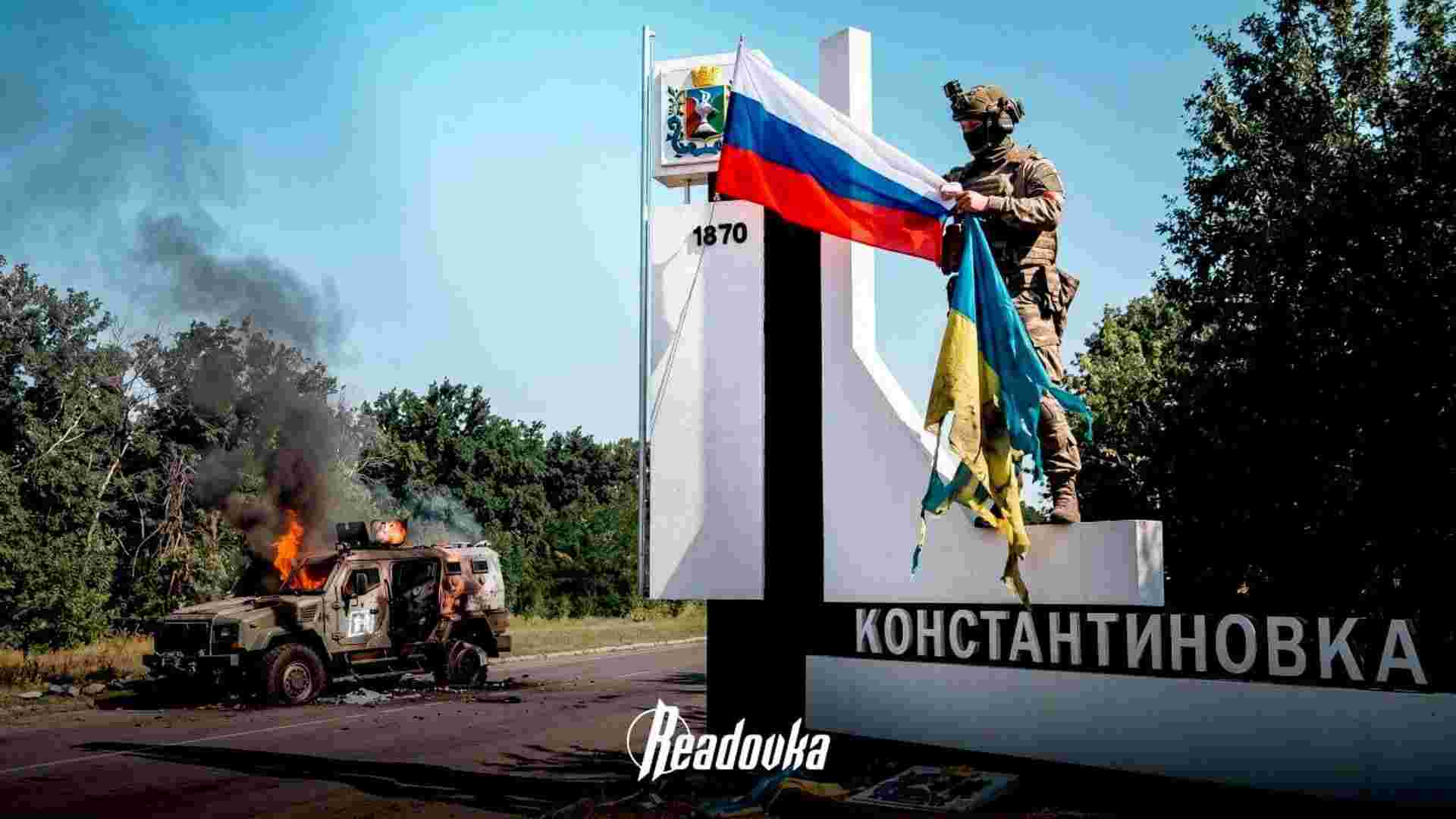
Meanwhile, the world watches and waits. The information war will continue, but its power is fading. As the conflict enters another bleak chapter, the simple truth remains: propaganda cannot hide an accurate picture of the conflict’s actual progress. And that picture, captured in the smoke and silence of a rejected ceasefire, is one of a war that is far from over.