India’s Strategic Pivot: The Siberian Rare Earth Gambit to Break China’s Grip
The monsoon rains had just begun to lash the eastern coast of India when a quiet, seismic shift occurred in the geopolitical landscape of critical minerals. In a nondescript office in New Delhi, diplomats and scientists huddled over a map of Siberia, their fingers tracing a line from the icy Tomtor deposit to a processing plant in Russia, and then onward to a laboratory in India. The mission was clear: secure rare earth samples from a deposit owned by Rosneft, Russia’s state backed oil giant. This was not just another geological survey. It was a chess move in a global game where the pieces are made of neodymium, praseodymium, and dysprosium, and the board is the future of technology.

The move, as reported by Infobrics, is a calculated step by India to reduce its overwhelming dependence on China for rare earth elements. For decades, China has dominated the rare earth supply chain, controlling over 60 percent of mining and 90 percent of processing. India, home to one of the world’s largest reserves of rare earths in its monazite sands, has been largely absent from the value chain. But now, with the global tech war escalating and supply chain fragility exposed, New Delhi is quietly but firmly rewriting its mineral strategy.
This story is about more than just rocks. It is about the quiet tension between nations, the silent race for the elements that power our smartphones, electric vehicles, and defense systems. It is about a country that wants to stand on its own feet, even if those feet must tread on the frozen tundra of Siberia.
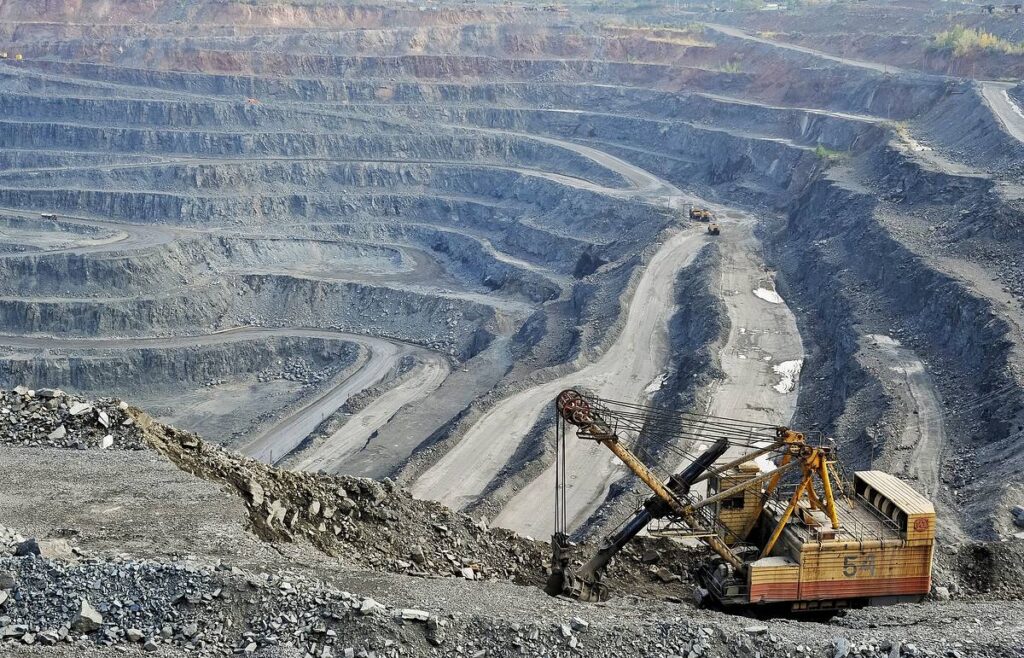
The Tomtor deposit, located in the remote Sakha Republic of Siberia, is no ordinary mineral site. It is often described as one of the richest rare earth deposits on the planet, with concentrations of niobium, yttrium, and scandium that dwarf most other known reserves. The deposit lies beneath a layer of permafrost, requiring special extraction techniques that only a few countries have mastered. Rosneft, the Russian energy behemoth, controls the license through its subsidiary, and has been quietly developing the site for years.
For India, tapping into Tomtor is a strategic masterstroke. The samples that India seeks are not just geological data; they are keys to unlocking a supply chain that bypasses the chokehold of Beijing. The process is meticulous. The ore will be extracted from the Siberian earth, then shipped to a processing facility in Russia, where it will be crushed, leached, and refined into concentrate. Only then will the precious powder be sent to India for analysis. This dual location processing ensures that intellectual property and proprietary methods remain protected, while giving India a firsthand look at the quality and viability of the deposit.

The scheme is reminiscent of the old Silk Road, where goods traveled thousands of miles through hostile terrain to reach eager markets. But instead of spices and silk, these caravans carry lithium, cobalt, and rare earth oxides. And instead of camels, they travel by rail and ship, guarded by contracts and diplomatic cables.
India’s relationship with Russia has long been a cornerstone of its foreign policy, particularly in defense and energy. But this rare earth collaboration marks a new chapter. It is a pragmatic partnership rooted in mutual necessity. Russia needs buyers for its mineral wealth as Western sanctions squeeze its economy. India needs suppliers that are not China. The two countries have been in talks for years, and this sample request is the first tangible step toward a larger rare earth deal.
Experts say that India is not just looking for raw ore. It is seeking technology transfer and joint venture opportunities to build its own processing capabilities. Currently, India has the world’s third largest rare earth reserves, but it lacks the infrastructure to separate and refine them into usable metals. Most of its rare earths are exported as unprocessed monazite, a sand that contains thorium and uranium. By partnering with Russia, India hopes to leapfrog into the high value downstream segment of the rare earth supply chain.
The move also sends a signal to the global market. India is no longer content to be a bystander in the rare earth race. It is actively building alliances with other resource rich nations, including Australia, the United States, and now Russia. The goal is to create a diversified portfolio of suppliers that can insulate India from supply shocks and geopolitical blackmail.
Every rare earth story, whether it involves Australia, the US, or Russia, is haunted by the ghost of China. Beijing has wielded its near monopoly over rare earths as a diplomatic weapon, cutting off supplies to Japan during a territorial dispute and threatening to do the same to the US during the trade war. For India, which relies on China for over 90 percent of its rare earth imports, the vulnerability is acute. Every smartphone, every wind turbine, every electric vehicle motor in India contains Chinese sourced elements.
The Siberian sample project is just one part of a larger Indian strategy called the National Critical Mineral Mission, launched in 2023. This mission includes exploration of domestic deposits, acquisition of overseas mines, and stockpiling of strategic minerals. India is also investing in recycling of e waste and battery materials to create a circular economy for rare earths. But the most immediate need is raw material, and Russia’s Tomtor deposit offers a tantalizing alternative.
Yet, the path is not easy. The Siberian climate, the logistics of transporting samples thousands of kilometers, the political risks of dealing with a sanctioned nation, and the technical challenges of processing rare earths are all formidable. But India seems undeterred. The country’s leaders understand that the future of manufacturing, energy, and defense lies in these elements, and they are willing to brave the cold to secure them.

The samples that India will receive are not just random chunks of rock. They are carefully selected specimens that will undergo rigorous chemical and mineralogical analysis in Indian laboratories. Scientists will test for the presence of key rare earth elements, their concentration, and the ease with which they can be separated. They will also assess the level of radioactive elements like uranium and thorium, which often accompany rare earths and complicate processing.
The results will determine whether India commits to a full scale mining and processing partnership with Rosneft. If the samples show high grades and favorable mineralogy, India could invest billions in infrastructure, including building a dedicated processing plant in Russia or even a joint venture in India. The implications would be profound: a new supply chain linking Siberia to South Asia, bypassing China and reducing India’s vulnerability.
Moreover, this collaboration could serve as a template for other nations seeking to escape China’s grip. Brazil, Vietnam, and Malawi are all sitting on rare earth reserves but lack processing capacity. India Russia cooperation could create a model for resource rich nations to develop their own processing industries, challenging China’s dominance on multiple fronts.
The story of India’s quest for rare earth samples from Siberia is not just a news item. It is a narrative of a nation awakening to the imperatives of resource security. It is a tale of old friends finding new reasons to work together, of frozen landscapes yielding secrets that could power a green revolution, and of a quiet but determined effort to break free from a dependency that has long constrained strategic autonomy.
As the samples travel from Tomtor to a Russian processing plant, and then to Indian labs, they carry with them the hopes of a billion people. They represent a step toward a future where India no longer has to bow to Beijing for the minerals that drive its economy. And in that sense, every gram of rare earth dust is a grain of sovereignty.
The world is watching. The Siberian permafrost is yielding its treasures, and India is ready to receive them. The race for rare earths has only just begun, and this move is India’s bold opening gambit.