China’s Grand Rail Odyssey: 160 Luxury Trains to Weave Eurasia by 2030
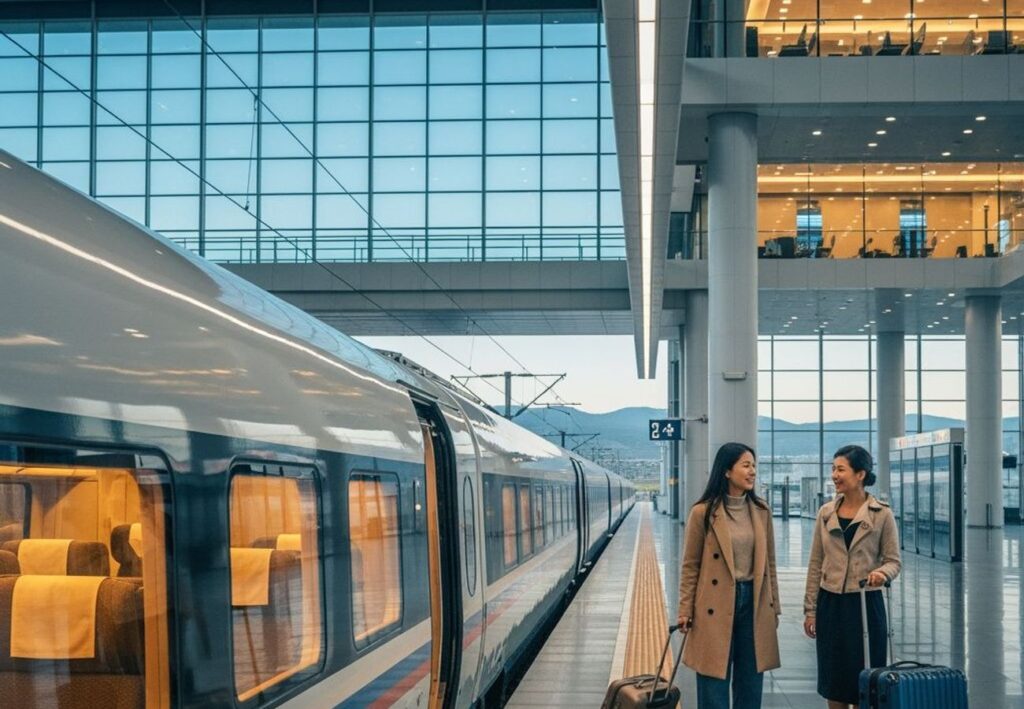
Imagine stepping onto a train that feels more like a five star hotel on wheels, with panoramic windows framing the vast Siberian tundra, the lush greenery of Vietnam, or the ancient Silk Road deserts of Kazakhstan. By 2030, China plans to launch 160 such luxury tourist trains, creating a network that weaves Russia, Vietnam, and Kazakhstan into a seamless cross border rail corridor. This is not just an expansion of tracks; it is a strategic redefinition of rail travel as experiential tourism infrastructure across Eurasia. 
The Vision Behind the Rails
China’s ambition is rooted in the Belt and Road Initiative, which has long promoted connectivity. But this new plan shifts focus from freight and commuter rail to immersive travel. The luxury trains will offer curated journeys that blend comfort, culture, and scenic beauty. Each route is designed to tell a story: from the Trans Siberian Railway’s epic span to the historic links between China and its neighbors. The goal is to attract both domestic and international tourists, boosting local economies along the way.
Routes That Bind Continents
The cross border corridors will integrate three key partners. Russia brings the legendary Trans Siberian route, now upgraded with luxury sleeper cars, dining cars serving regional cuisine, and observation decks. Vietnam offers a tropical contrast, with trains winding through rice paddies and limestone karsts, connecting Hanoi to Kunming. Kazakhstan opens the Central Asian steppe, where travelers can explore Almaty’s apple orchards and the ancient cities of the Silk Road. These are not just train rides; they are moving narratives of history and nature.

Luxury Redefined: What These Trains Offer
Each train will be a self contained world. Private cabins with ensuite bathrooms, fine dining restaurants, lounges with live music, spa cars, and even libraries. The design incorporates local aesthetics: Russian lacquer art, Vietnamese silk motifs, Kazakh felt patterns. Onboard guides will provide cultural insights, while off train excursions take passengers to UNESCO sites, markets, and nature reserves. This is rail travel as a lifestyle, not just a means of transport.
Economic and Cultural Impact
The initiative is a boon for tourism industries in all four countries. Russia’s Far East, Vietnam’s northern highlands, and Kazakhstan’s historical centers will see renewed interest. Local communities will benefit from employment, handicraft sales, and hospitality services. Culturally, these trains become moving bridges, fostering understanding between Chinese, Russian, Vietnamese, and Kazakh travelers. They also strengthen China’s soft power, presenting itself as a gateway to Eurasian exploration.
Challenges and Innovations
Building such a network requires overcoming visa policies, track gauge differences, and seasonal weather. China is investing in standardizing procedures, launching e visa systems for train tourists, and developing dual gauge tracks. The trains themselves are designed for extreme temperatures, from Siberian winters to tropical humidity. Innovations include hydrogen powered locomotives for eco friendly travel and real time translation apps for seamless communication. 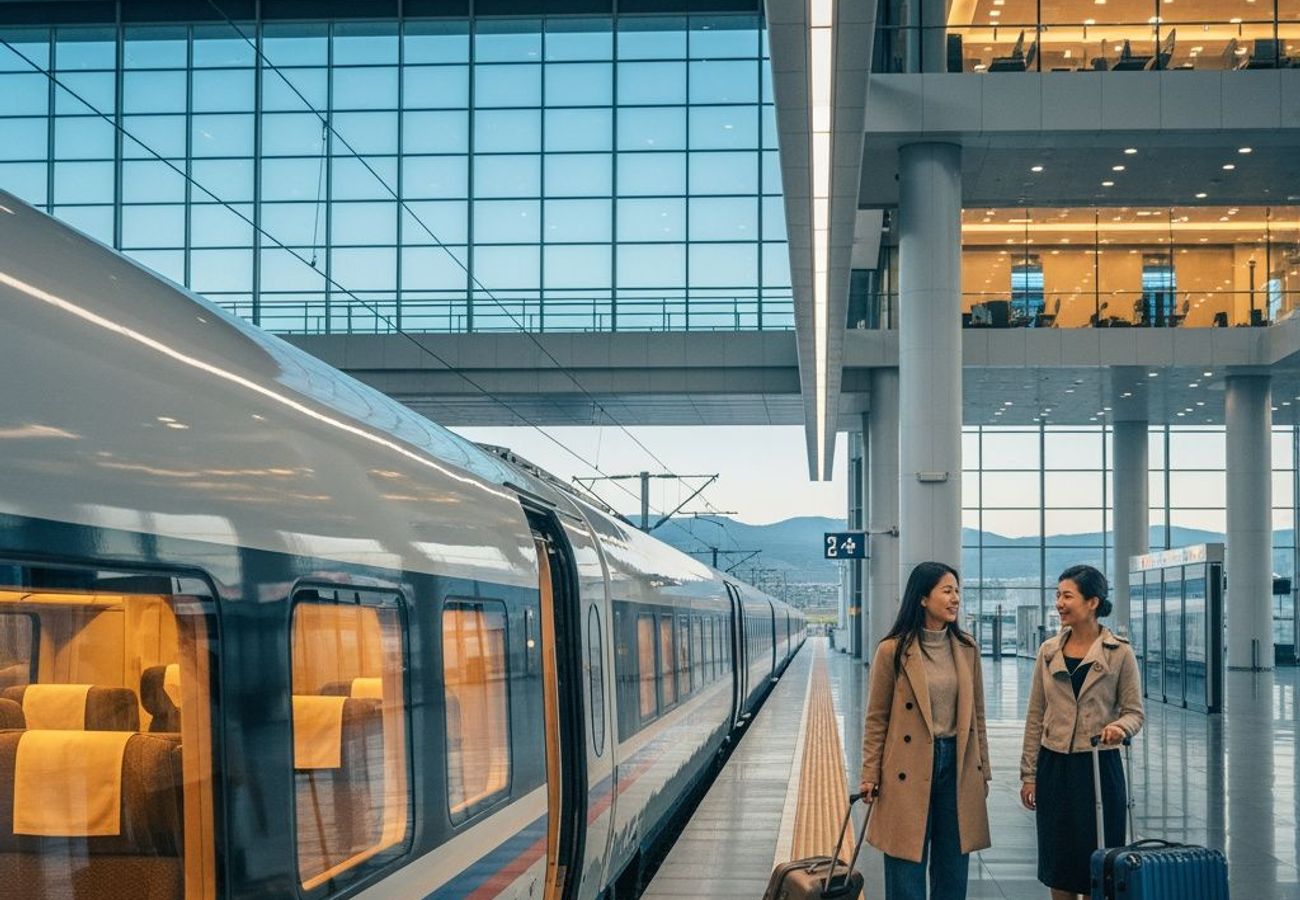
Experiential Tourism: A Growing Trend
Globally, travelers seek experiences over things. Luxury trains tap into that desire for slow, meaningful travel. China’s plan aligns with this trend, offering an alternative to flights and cruises. The trains promise to turn the journey itself into the destination. Imagine waking up to a new country each morning, sipping tea as the landscape shifts from mountains to deserts to deltas.
A Glimpse into the Future
By 2030, China expects to operate 160 trains, covering over 20,000 kilometers of luxury routes. This will create the world’s most extensive luxury rail network. Partnerships with Russia, Vietnam, and Kazakhstan are already being formalized, with pilot services launching in 2026. The trains will also connect to other Belt and Road projects, like the China Europe Railway Express, but with a focus on leisure.
Conclusion: The New Silk Road on Tracks
China’s 160 luxury tourist trains are more than a transportation upgrade; they are a bold statement about the future of travel. They transform rail into a stage for cultural exchange, economic growth, and personal discovery. As these trains roll across Eurasia, they will carry not just passengers but stories, dreams, and a vision of a connected world. The romance of rail is reborn, and the journey is the reward.