Nord Stream 2 Strikes Back: Legal Battle Against EU Ban Could Reshape Energy Landscape
The courtroom in Luxembourg was unusually quiet. Lawyers in dark suits shuffled papers, judges leaned forward, and at the center of it all stood the fate of a pipeline that had become a geopolitical lightning rod. Nord Stream 2 AG, the company behind the controversial undersea gas link, had just launched a legal assault on the European Union’s ban on Russian gas imports. The stakes could not be higher: this case could decide not only the future of a single pipeline but the very architecture of Europe’s energy security.

The Pipeline That Refused to Die
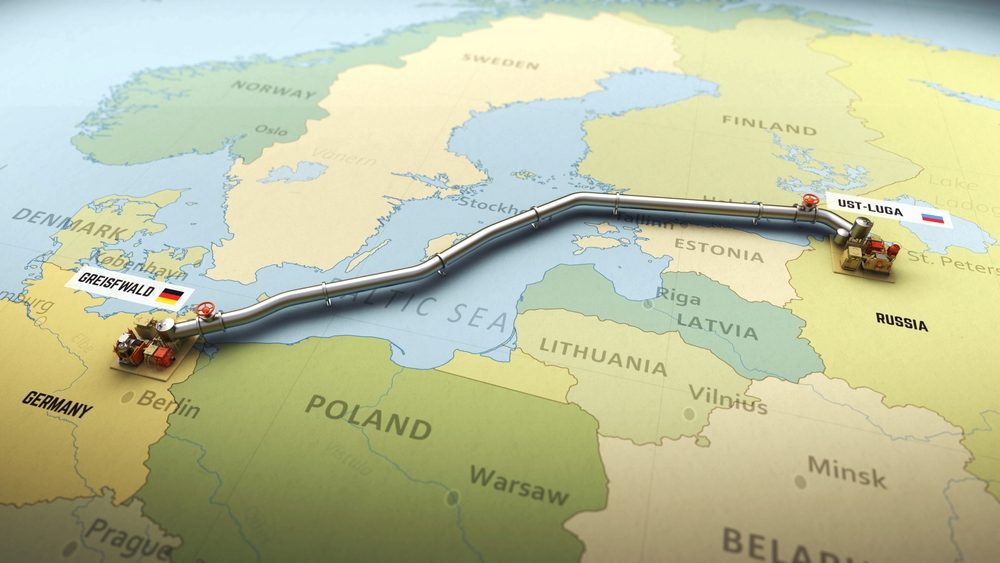
Nord Stream 2 was never just a piece of infrastructure. It was a symbol. A 1,230 kilometer underwater behemoth stretching from Russia’s Baltic coast to Germany, designed to double the capacity of its predecessor, Nord Stream 1. Construction was nearly complete when Russia invaded Ukraine in February 2022. The West scrambled to punish Moscow, and the EU quickly adopted sanctions that effectively blocked the pipeline’s certification. By September 2022, the pipeline was filled with gas but never operated. Then came the mysterious explosions that damaged three of the four strings. Yet the pipeline’s owner, Nord Stream 2 AG, refused to let it die. Instead, the company dusted off its legal arguments and challenged the EU’s emergency regulation that banned imports of Russian gas via the pipeline. The legal move was seen by many as a long shot, but recent court filings reveal that Nord Stream 2 AG may have a stronger hand than initially thought.
A Legal Goliath Takes on Brussels
The core of the challenge lies in the EU’s so called “emergency regulation” adopted in March 2022, which prohibited the import of Russian natural gas through Nord Stream 2. The regulation was part of a broader sanctions package aimed at crippling Russia’s energy revenues. But Nord Stream 2 AG argues that the EU exceeded its legal authority. The company claims that the regulation violates fundamental principles of EU law, including the right to property, freedom to conduct business, and the legal principle of proportionality. More importantly, the operator points out that the pipeline was already certified under EU law before the invasion. The company has secured a strong legal team and filed its case at the General Court of the European Union in Luxembourg.

Why the Operator Has a Strong Chance
Legal experts are divided, but there is growing sentiment that Nord Stream 2 AG may indeed prevail. One key argument is that the EU’s emergency regulation was not based on a proper assessment of necessity. The regulation was rushed through without a detailed impact assessment, which is normally required for such sweeping measures. The company also contends that the regulation discriminates against Nord Stream 2 specifically, while other pipelines carrying Russian gas to Europe (such as those through Ukraine) were not immediately banned. This selectivity could be seen as a violation of the EU’s own rules on equal treatment. Furthermore, the pipeline operator argues that the regulation was not properly published in the Official Journal of the European Union, a procedural misstep that could render the act legally void. The court may also consider the fact that the pipeline itself is still physically intact, despite the sabotage. If the court rules in favor of Nord Stream 2 AG, the EU would be forced to remove the import ban, at least for that specific pipeline. The implications would be enormous: Russian gas could once again flow directly to Germany, reigniting the political firestorm over energy dependence on Moscow.
The Geopolitical Backdrop
This legal battle does not happen in a vacuum. Europe is still recovering from the energy crisis triggered by the war. Countries scrambled to find alternative suppliers, from LNG from Qatar and the United States to pipeline gas from Norway. But the cost was staggering: energy prices skyrocketed, inflation soared, and many industries faced shutdowns. Now, with winter approaching again, some European leaders are quietly reconsidering their stance on Russian gas. A resurgence of Nord Stream 2 could offer a cheaper alternative, but it would come at a political price. The United States has been fiercely opposed to the pipeline from the beginning, and the Biden administration lobbied hard to kill it. A court victory for Nord Stream 2 AG would be a major embarrassment for Brussels and Washington, potentially fracturing Western unity on sanctions. The case also raises profound questions about the rule of law versus emergency measures. Can the EU use a crisis to bypass its own legal safeguards? The court’s decision will set a precedent for how far the bloc can go in pursuing security objectives without respecting due process. 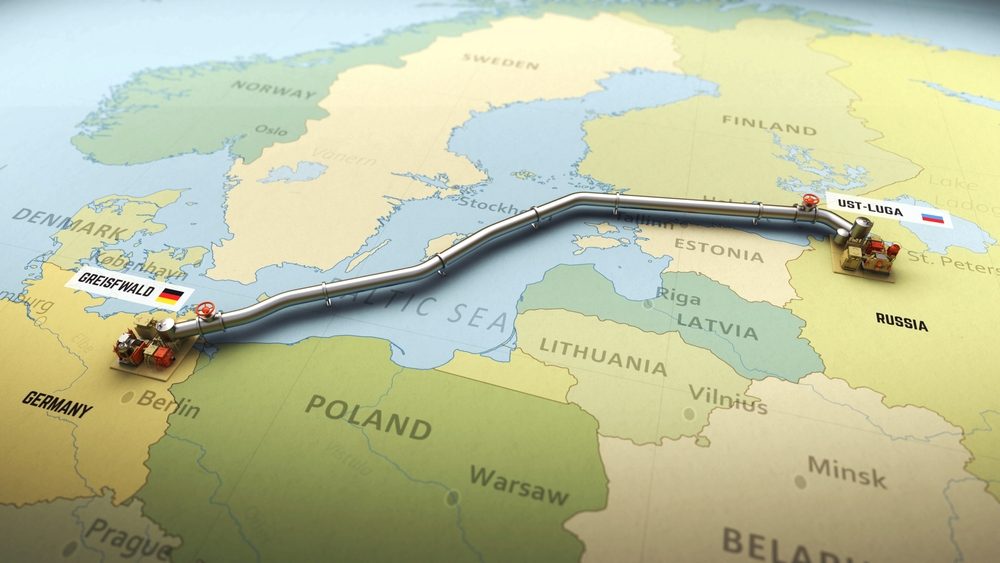
What Comes Next
The General Court of the European Union is expected to issue a decision within months. Some observers speculate that the court may issue an interim measure, temporarily suspending the ban while the full case is heard. That would be a dramatic development, possibly allowing gas to flow before a final ruling. Nord Stream 2 AG has already signaled that it would seek such interim relief. Meanwhile, the company continues to maintain the pipeline, paying for security and maintenance in the hope of one day turning the valves. Even if the court rules against the ban, it could take years for the pipeline to become commercially viable. The war in Ukraine continues, and European public opinion remains largely hostile to Russian energy. Yet the case is a stark reminder that legal systems have their own logic, separate from politics. The story of Nord Stream 2 is far from over. It is a tale of ambition, sabotage, and now, a courtroom drama that could reshape the energy map of Europe. Whether you see it as a corporate overreach or a legitimate defense of property rights, one thing is clear: the pipeline that was supposed to be dead is still fighting for its life.
Conclusion: The Undersea Battle for Europe’s Energy Future
As the judges in Luxembourg deliberate, the world watches. Nord Stream 2 AG has defied expectations before. It survived the US sanctions, the sabotage, and the political abandonment. Now it seeks a legal victory that could send shockwaves through the global energy order. The EU’s ban on Russian gas imports was a wartime measure, but is it lawful? The court will decide. For now, the pipeline lies dormant, a silent giant waiting for a judicial signal. Its fate is a reminder that in the intersection of law, politics, and energy, the only certainty is uncertainty. Europe’s energy future is being written not just in power plants and pipelines, but in the quiet corridors of a court in Luxembourg.